Testosterone vs Estrogen in Men: Key Differences
Testosterone vs estrogen in men involves understanding that both hormones play crucial roles in male health, though in very different ways. Testosterone is the primary male sex hormone responsible for muscle mass, bone density, libido, energy, and mood stability. Estrogen, while present in much smaller amounts, regulates bone health, cardiovascular function, and brain activity in men. The key difference lies in optimal ratios rather than elimination of either hormone. When testosterone falls too low or estrogen rises too high, men experience distinct symptom patterns that affect energy, body composition, sexual function, and overall quality of life.
Understanding how these hormones work together and against each other helps men identify imbalances and seek appropriate treatment for hormonal optimization.
Testosterone’s Role in Male Health
Testosterone serves as the foundation of male physiology, influencing virtually every system in the body. This primary male hormone drives muscle protein synthesis, enabling men to build and maintain lean muscle mass more effectively than women. It also promotes bone density by stimulating osteoblast activity, which explains why men with low testosterone face increased fracture risk and osteoporosis development.
Beyond physical structure, testosterone directly impacts energy production at the cellular level by supporting mitochondrial function. Men with optimal testosterone levels report higher energy, better motivation, and improved physical endurance. The hormone also influences red blood cell production through kidney stimulation, which affects oxygen delivery throughout the body and contributes to overall vitality.
What is testosterone and its complete function extends to cognitive performance, mood regulation, and sexual health. The hormone supports neurotransmitter balance, particularly dopamine and serotonin, which explains why testosterone deficiency often presents with depression-like symptoms.
Why Men Need Estrogen for Optimal Health?
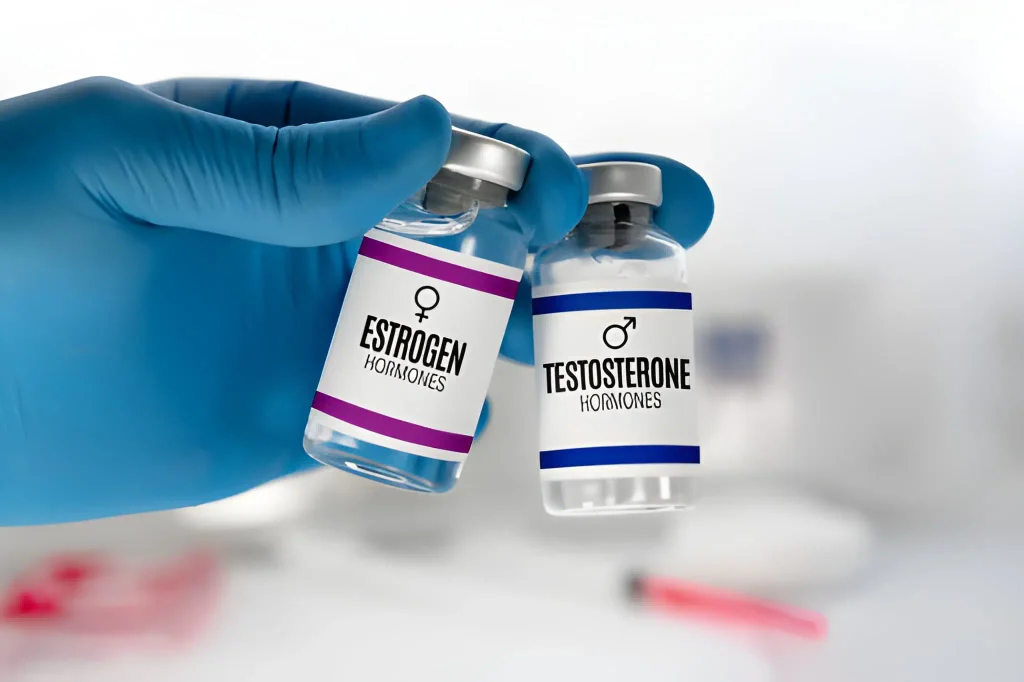
Estrogen in men is not an unwanted feminine hormone but rather an essential component of male health when present in appropriate amounts. Men produce estrogen through the conversion of testosterone via the aromatase enzyme, primarily in fat tissue, liver, and brain. This conversion process is normal and necessary for optimal male function.
Estrogen supports bone health in men by regulating calcium absorption and bone remodeling. Research shows that estrogen deficiency in men actually causes more severe bone loss than testosterone deficiency alone. The hormone also plays crucial roles in cardiovascular health by supporting healthy cholesterol levels and maintaining proper blood vessel function.
Brain health represents another critical area where estrogen benefits men. The hormone supports cognitive function, memory formation, and neuroprotection against age-related decline. Men with extremely low estrogen levels often experience cognitive impairment, mood instability, and reduced sexual function, despite having adequate testosterone levels.
Take The First Step
Expert aesthetic and medical care is just a click away. You deserve to look and feel your absolute best. We specialize in advanced treatments like Sculptra and Lipodissolve to help you achieve your desired results. Partner with our specialists to create a personalized care plan.
How Testosterone and Estrogen Interact?
The relationship between testosterone and estrogen in men involves complex feedback loops and conversion processes that determine overall hormonal balance. Testosterone serves as the raw material for estrogen production through aromatase enzyme activity. This means that men with very low testosterone often have low estrogen as well, while men with excessive testosterone may convert too much to estrogen.
The testosterone to estrogen ratio matters more than absolute levels of either hormone. Optimal ratios typically range from 20:1 to 40:1, though individual variation exists. When this ratio becomes imbalanced, men experience symptoms regardless of whether their individual hormone levels fall within laboratory reference ranges.
Aromatase activity increases with age, body fat percentage, insulin resistance, and certain medications. This explains why older men and those with metabolic dysfunction often develop high estrogen levels even when testosterone replacement therapy restores their testosterone to optimal ranges. Our blog on Male hormone imbalance frequently involves addressing both hormones simultaneously rather than focusing on testosterone alone.
Recognizing Low Testosterone vs High Estrogen Symptoms
Low testosterone and high estrogen produce overlapping but distinct symptom patterns that help identify which hormone requires attention. Low testosterone typically presents with fatigue, reduced motivation, muscle loss, fat gain, decreased libido, and mood flatness. Low testosterone symptoms develop gradually and affect multiple body systems simultaneously.
High estrogen in men creates different symptoms including water retention, breast tissue development, emotional volatility, reduced libido despite adequate testosterone, and preferential fat storage in the hips and abdomen. Men with elevated estrogen often report feeling “soft” both physically and emotionally, with increased sensitivity and mood swings that differ from testosterone-related depression.
Signs of high testosterone in men can also indicate estrogen problems, as excessive testosterone often converts to excessive estrogen. The combination creates a pattern of high energy with emotional instability, muscle growth with fat gain, and increased libido with erectile dysfunction. Understanding these distinctions helps guide appropriate testing and treatment strategies.
Common Causes of Testosterone and Estrogen Imbalance
Age represents the most universal cause of changing testosterone to estrogen ratios in men. Normal testosterone levels by age show consistent decline starting around age 30, while aromatase activity increases with aging. This creates a double effect where testosterone falls while estrogen conversion increases, disrupting the optimal ratio even when estrogen levels remain within normal ranges.
Excess body fat significantly affects hormone balance because fat tissue contains high concentrations of aromatase enzyme. Overweight men convert more testosterone to estrogen, creating a cycle where hormonal imbalance promotes further fat gain.
Environmental factors including plastics, pesticides, and industrial chemicals act as endocrine disruptors that can lower testosterone while increasing estrogen activity. Chronic stress elevates cortisol, which suppresses testosterone production while promoting fat storage that increases aromatase activity. Certain medications, including some antidepressants and blood pressure medications, can also shift hormone balance toward higher estrogen and lower testosterone.
Getting Hormone Balance Testing in Cypress
Proper evaluation of testosterone vs estrogen in men requires comprehensive laboratory testing beyond basic testosterone measurement. Complete hormone panels should include total testosterone, free testosterone, estradiol (the active form of estrogen), sex hormone binding globulin (SHBG), and luteinizing hormone to understand the full hormonal picture.
At Prime Healthcare of Cypress, men’s health in Cypress includes detailed hormone assessment through advanced testing that measures both testosterone and estrogen levels along with their ratios and conversion factors. This comprehensive approach identifies whether symptoms result from low testosterone, high estrogen, poor conversion ratios, or combinations of factors.
Timing of hormone testing matters significantly because both testosterone and estrogen fluctuate throughout the day. Morning testing typically provides the most accurate baseline measurements for both hormones. Chronic disease management in Cypress also addresses underlying conditions like diabetes and metabolic syndrome that contribute to hormone imbalance through increased aromatase activity and insulin resistance.
Treatment Approaches for Optimizing Both Hormones
Successful hormone optimization often requires addressing both testosterone and estrogen simultaneously rather than focusing on one hormone in isolation. Natural ways to increase testosterone levels including resistance training, adequate sleep, stress reduction, and proper nutrition can improve testosterone while naturally balancing estrogen through improved body composition.
Testosterone replacement therapy may require additional interventions to manage estrogen levels appropriately. Some men need aromatase inhibitors to prevent excessive estrogen conversion, while others require lifestyle modifications to reduce factors that promote high aromatase activity.
Weight loss remains one of the most effective interventions for improving testosterone to estrogen ratios because it reduces aromatase activity while improving insulin sensitivity. Low testosterone vs depression considerations become important because hormone optimization often improves mood more effectively than addressing either testosterone or estrogen alone. The goal is restoring optimal ratios rather than maximizing one hormone while ignoring the other.
Comparison Table: Testosterone vs Estrogen Effects in Men
This table compares how optimal and imbalanced levels of both hormones affect key aspects of male health and helps identify which hormone may be causing specific symptoms.
| Function | Optimal Testosterone | Low Testosterone | Optimal Estrogen | High Estrogen |
|---|---|---|---|---|
| Energy | High, sustained | Low, fatigue | Supports energy | Reduces energy |
| Muscle Mass | Promotes growth | Loss of mass | Supports maintenance | Reduces definition |
| Fat Storage | Promotes burning | Increases storage | Balanced metabolism | Promotes storage |
| Libido | Strong | Reduced | Supports function | Reduces desire |
| Mood | Stable, motivated | Flat, depressed | Supports stability | Emotional volatility |
| Bone Health | Strong bones | Bone loss | Essential for density | Excessive may weaken |
| Cognitive Function | Sharp, focused | Brain fog | Supports memory | Can cause confusion |
FAQs
Take The First Step
Expert aesthetic and medical care is just a click away. You deserve to look and feel your absolute best. We specialize in advanced treatments like Sculptra and Lipodissolve to help you achieve your desired results. Partner with our specialists to create a personalized care plan.