Low Testosterone vs Depression: What’s the Difference?
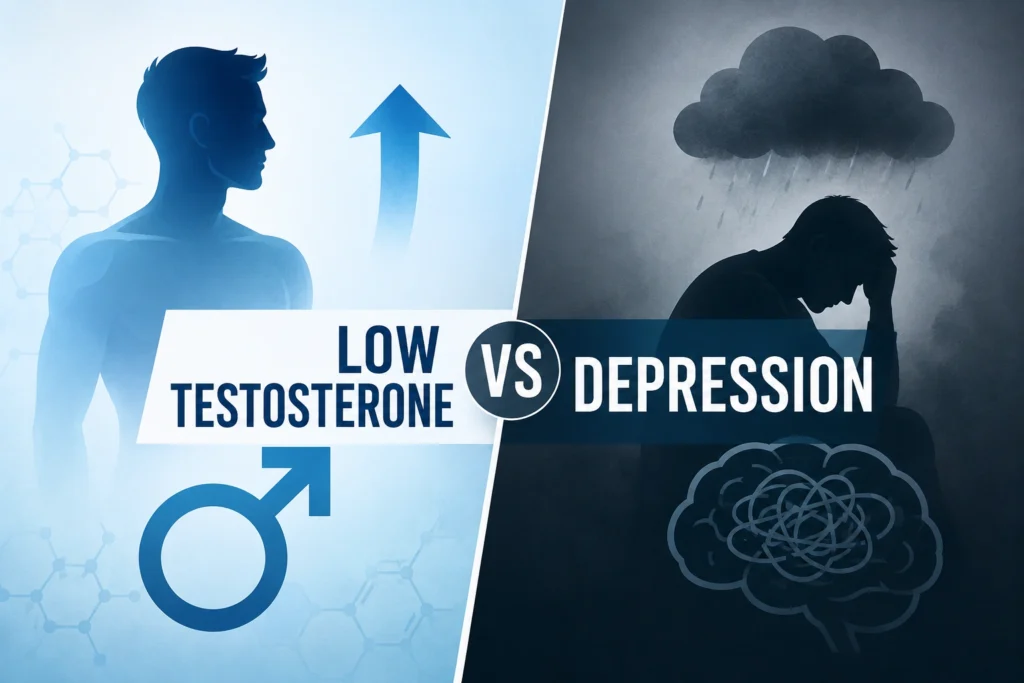
Low testosterone vs depression can be difficult to distinguish because both conditions share similar symptoms like fatigue, mood changes, and loss of motivation. Low testosterone is a hormonal condition caused by declining hormone levels, while depression is a mental health disorder affecting brain chemistry and mood regulation. Key differences include that low testosterone typically includes physical symptoms like muscle loss, weight gain, and sexual problems, while depression focuses more on persistent sadness, hopelessness, and negative thinking patterns.
Low testosterone often responds to hormone replacement therapy, while depression usually requires counseling, antidepressants, or both. However, these conditions can occur together, making proper medical evaluation essential for accurate diagnosis and effective treatment.
Understanding Low Testosterone and Depression as Separate Conditions
Low testosterone, also called hypogonadism, occurs when your testicles produce insufficient amounts of the male hormone testosterone. What is Testosterone explains how this hormone controls muscle mass, bone density, mood, energy, and sexual function throughout your life. When levels drop below normal ranges, multiple body systems are affected simultaneously.
Depression is a mental health disorder characterized by persistent feelings of sadness, hopelessness, and loss of interest in activities. The condition involves changes in brain chemistry, particularly neurotransmitters like serotonin, dopamine, and norepinephrine. Depression affects how you think, feel, and handle daily activities for extended periods.
The confusion between these conditions arises because both can cause fatigue, mood changes, sleep problems, and reduced motivation. However, the underlying mechanisms are completely different. Low testosterone stems from hormone deficiency, while depression involves complex brain chemistry changes that may or may not be related to hormone levels.
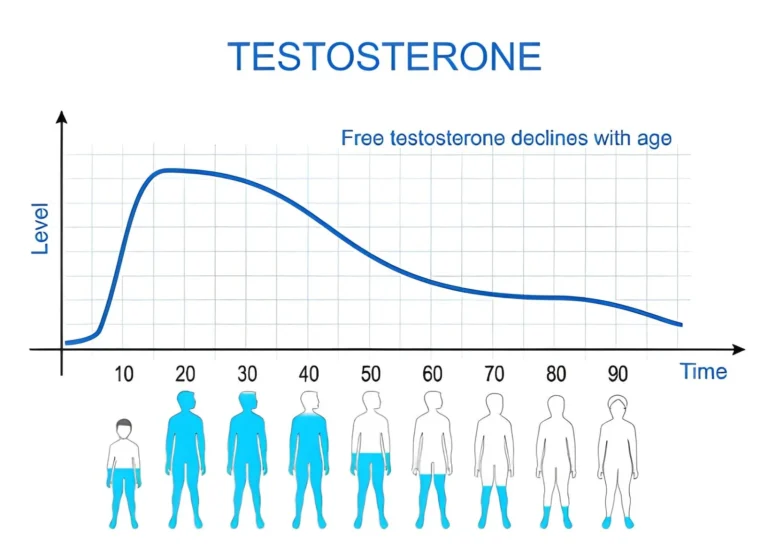
Our blog on Normal Testosterone Levels by Age shows how hormone decline happens naturally with aging, while depression can occur at any age regardless of hormone status. Understanding these distinctions helps guide appropriate treatment decisions.
Overlapping Symptoms That Cause Confusion
Several symptoms appear in both low testosterone and depression, making self-diagnosis unreliable without proper medical evaluation.
1. Fatigue and Low Energy
Both conditions commonly cause persistent tiredness that does not improve with rest. Men with low testosterone often describe feeling drained or lacking their usual vitality, while those with depression experience fatigue alongside emotional exhaustion. The quality of fatigue may differ slightly, but distinguishing between them based on tiredness alone is nearly impossible.
Sleep disturbances accompany both conditions, though for different reasons. Low testosterone can disrupt sleep cycles and reduce deep sleep phases needed for hormone production. Depression often causes early morning awakening, difficulty falling asleep, or restless sleep patterns driven by anxious thoughts.
2. Mood Changes and Irritability
Mood symptoms create the most overlap between low testosterone and depression. Both conditions can cause irritability, anxiety, mood swings, and feelings of sadness. Men with low testosterone may feel more emotionally sensitive or quick to anger, while depression typically involves persistent negative emotions and hopelessness.
The timing and triggers of mood changes may provide clues. Low testosterone mood symptoms often correlate with physical symptoms like low energy or sexual problems. Depression mood changes tend to be more constant and less tied to specific physical symptoms.
3. Reduced Motivation and Interest
Loss of motivation affects both conditions but may have different underlying causes. Low testosterone can reduce drive and ambition due to hormone effects on brain chemistry. Depression causes anhedonia, which is loss of pleasure or interest in activities that used to be enjoyable.
Men with low testosterone might still enjoy activities when they have energy, while those with depression often cannot find pleasure in anything regardless of energy levels. Our resource on Low Testosterone Symptoms provides detailed information about how hormone deficiency affects motivation and daily functioning.
Take The First Step
Expert aesthetic and medical care is just a click away. You deserve to look and feel your absolute best. We specialize in advanced treatments like Sculptra and Lipodissolve to help you achieve your desired results. Partner with our specialists to create a personalized care plan.
Key Differences Between Low Testosterone and Depression
Despite overlapping symptoms, important distinctions help differentiate between these conditions.
1. Physical vs Emotional Symptom Focus
Low testosterone typically produces more physical symptoms alongside mood changes. Men usually notice changes in muscle mass, weight distribution, sexual function, and physical strength along with mood symptoms.
Depression primarily affects emotional and cognitive function, though physical symptoms can occur. The emotional symptoms tend to dominate the picture, with persistent sadness, hopelessness, guilt, and negative thinking patterns being central features. Physical symptoms in depression often include changes in appetite and sleep but rarely involve sexual or muscular changes.
2. Sexual Function Changes
Sexual symptoms strongly suggest low testosterone rather than depression alone. Low testosterone commonly causes decreased sex drive, erectile dysfunction, reduced morning erections, and changes in sexual satisfaction. These symptoms often appear early and worsen gradually over time.
Depression can affect sexual interest, but the mechanism differs. Depressed individuals may lose interest in sex due to overall anhedonia rather than hormonal dysfunction. Antidepressant medications can also cause sexual side effects that complicate the picture.
3. Physical Strength and Body Composition
Low testosterone often causes noticeable changes in muscle mass, strength, and body fat distribution. Men may notice their workouts feel harder, clothes fit differently around the midsection, or they lose muscle definition despite maintaining exercise routines. Our blog on ways to Increase Testosterone levels naturally provides strategies that often improve both physical and mood symptoms when hormone deficiency is the primary issue.
Depression rarely causes direct changes in muscle mass or strength unless it leads to significant changes in activity level or eating habits. Weight changes in depression usually relate to appetite changes rather than hormonal effects on metabolism.
Diagnostic Differences and Testing Approaches
Proper diagnosis requires different evaluation methods for each condition to ensure accurate identification and appropriate treatment.
| Diagnostic Factor | Low Testosterone | Depression |
|---|---|---|
| Primary Tests | Blood testosterone levels | Clinical assessment, mood questionnaires |
| Timing of Testing | Morning blood draw | Multiple appointments over time |
| Physical Exam | Focus on body composition, sexual development | General health assessment |
| Symptom Duration | Often gradual over months/years | May be episodic or persistent |
| Family History | Less relevant | Strong genetic component |
| Medical History | Diabetes, obesity, medications | Previous mental health episodes |
Blood testing provides the most objective way to identify low testosterone. Testosterone levels should be measured in the morning when they naturally peak, and abnormal results should be confirmed with repeat testing. Normal ranges vary by age, but levels below 300 ng/dL typically indicate deficiency.
At Prime Healthcare of Cypress, we provide comprehensive Men’s Health evaluations in Cypress, Mental Health Care in Cypress, and Physical Exams in Cypress that can help distinguish between hormonal and psychological causes of mood and energy symptoms.
How Low Testosterone Treatment Differs from Depression Treatment?
Effective treatment strategies differ significantly between low testosterone and depression, requiring targeted approaches for each condition. Testosterone Replacement Therapy represents the primary medical treatment for clinically low testosterone levels. Treatment options include gels, injections, patches, and pellets that restore hormone levels to normal ranges. Most men notice improvements in energy, mood, and sexual function within 4 to 8 weeks of starting treatment.
Natural approaches can also help boost testosterone levels in men with borderline low levels. Foods that may help increase testosterone levels provide nutritional support, while lifestyle modifications like exercise, weight loss, and stress management often improve hormone production naturally. Regular monitoring ensures treatment safety and effectiveness through blood tests that track testosterone levels, red blood cell counts, and prostate health.
Depression treatment typically involves psychotherapy, medication, or both approaches combined. Cognitive behavioral therapy helps identify and change negative thought patterns, while antidepressant medications can restore brain chemistry balance. Treatment response usually takes 6 to 12 weeks for antidepressants to reach full effectiveness, much longer than testosterone therapy results.
Can You Have Both Low Testosterone and Depression Together?
The relationship between these conditions can be complex and interconnected. Low testosterone may contribute to depression development in some men, while chronic depression and its treatments can affect hormone levels. Stress from either condition can worsen the other, creating cycles that require careful management to break.
Treatment planning becomes more complicated when both conditions are present. Hormone replacement therapy may improve mood symptoms if they stem from testosterone deficiency, but additional mental health treatment is usually necessary for full recovery from depression. Some men find that treating low testosterone first helps stabilize their mood enough to engage effectively in depression therapy.
Weight Loss programs and Chronic Disease Management in Cypress can address underlying health conditions that contribute to both low testosterone and depression, providing comprehensive care that improves overall wellbeing and breaks the cycle of interconnected symptoms.
Which Condition Do You Have: Getting the Right Diagnosis
Start with your primary care provider who can perform initial screening tests and assessments. Blood work should include comprehensive hormone panels, complete blood counts, and metabolic panels to identify underlying medical conditions. Mental health screening questionnaires help identify depression symptoms and their severity alongside physical symptom evaluation.
Specialist referrals may be necessary depending on initial findings. Endocrinologists specialize in hormone disorders and can provide detailed testosterone evaluation, while psychiatrists and psychologists focus on mental health conditions and can offer specialized depression assessment. Some men benefit from seeing both types of specialists for comprehensive care that addresses all aspects of their symptoms.
The timing of evaluation matters because symptoms can fluctuate. Depression episodes may come and go, while low testosterone symptoms tend to be more consistent over time. Multiple appointments may be needed to establish clear patterns and reach accurate diagnoses.
FAQs
Take The First Step
Expert aesthetic and medical care is just a click away. You deserve to look and feel your absolute best. We specialize in advanced treatments like Sculptra and Lipodissolve to help you achieve your desired results. Partner with our specialists to create a personalized care plan.