Testosterone Replacement Therapy: Benefits, Risks & Costs
Testosterone replacement therapy involves medical treatment to restore hormone levels in men with clinically low testosterone. The therapy uses various delivery methods including injections, gels, patches, and pellets to bring testosterone levels back to normal ranges. Benefits include improved energy, muscle mass, sexual function, and mood, while risks involve potential cardiovascular effects, blood clots, and prostate concerns. Treatment costs range from $100 to $500 monthly depending on the method chosen.
Candidates typically have testosterone levels below 300 ng/dL with symptoms like fatigue, low sex drive, and muscle loss. Success requires ongoing medical monitoring and lifestyle modifications for optimal results and safety.
What Is Testosterone Replacement Therapy?
Testosterone Replacement Therapy is a medical treatment that supplements or replaces the natural testosterone production in men who have clinically low hormone levels. This hormone affects multiple body systems including muscle development, bone density, mood regulation, and sexual function throughout a man’s life.
The therapy works by delivering testosterone directly into your bloodstream through various methods, bypassing your body’s natural production system. Understanding What is Testosterone and its role in the body helps patients make informed decisions about treatment options and expected outcomes.
Who Is a Candidate for Testosterone Replacement Therapy?
Men with blood testosterone levels consistently below 300 ng/dL who experience symptoms like chronic fatigue, decreased muscle mass, low sex drive, and mood changes are potential candidates for therapy. If you’re experiencing these symptoms, Low Testosterone Symptoms can help you identify whether they might be related to hormone deficiency.
While testosterone naturally declines with age, candidacy depends more on symptoms and blood test results than chronological age. Most men seeking treatment are over 40, but understanding Normal Testosterone Levels by Age helps determine if your levels are appropriate for your life stage rather than just your chronological age.
Take The First Step
Expert aesthetic and medical care is just a click away. You deserve to look and feel your absolute best. We specialize in advanced treatments like Sculptra and Lipodissolve to help you achieve your desired results. Partner with our specialists to create a personalized care plan.
Types of Testosterone Replacement Therapy
Several delivery methods are available for testosterone replacement, each with unique advantages, disadvantages, and suitability for different patients and lifestyles.
1. Injectable Testosterone
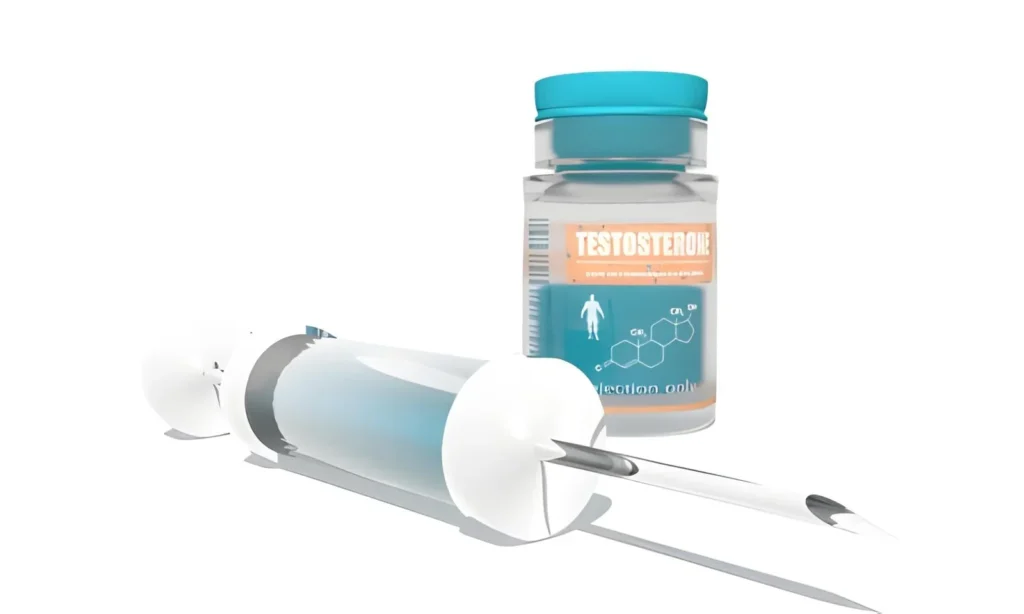
Injectable testosterone is administered directly into muscle tissue, typically in the gluteal or thigh muscles every 1 to 2 weeks. This method provides reliable hormone delivery and is often the most cost-effective option for long-term treatment. Most men can learn to self-administer injections at home after proper training.
The main disadvantage is fluctuating hormone levels between injections, which can cause mood and energy swings in some patients. Some men prefer less frequent injections using longer-acting formulations that require administration every 10 to 14 weeks, though these require office visits for administration by healthcare providers.
2. Testosterone Gels and Topicals
Testosterone gels are applied daily to clean, dry skin on the shoulders, arms, or abdomen where the hormone absorbs through the skin. This method provides steady hormone levels throughout the day and is convenient for men who prefer avoiding injections or frequent medical appointments.
The primary concern with gels involves transfer to family members, particularly women and children, through skin contact. Proper application technique and clothing coverage help prevent accidental exposure, but some families find the precautions burdensome for daily use over extended periods.
3. Testosterone Patches and Pellets
Testosterone patches are applied to skin daily and provide consistent hormone delivery similar to gels but with less transfer risk to others. Patches may cause skin irritation in some users, and adhesion can be problematic during exercise or hot weather conditions.
Testosterone pellets are inserted under the skin during a minor office procedure and release hormone steadily for 3 to 6 months. This method eliminates daily applications and provides the most consistent hormone levels, though it requires periodic procedures and cannot be easily adjusted if side effects develop.
Benefits of Testosterone Replacement Therapy
Physical benefits include increased muscle mass, improved bone density, reduced body fat, and enhanced physical strength. Many men notice improved exercise capacity and faster recovery from workouts. Energy levels typically increase within 4 to 8 weeks of starting treatment, with many patients reporting feeling more like their younger selves.
Sexual health improvements often include increased sex drive, better erection quality, improved sexual satisfaction, and enhanced overall sexual function. These changes usually begin within 2 to 6 weeks of treatment initiation. Our blog on causes of Low Testosterone in Men explains how various factors affect hormone levels and sexual function.
Mental and emotional benefits frequently include improved mood, reduced irritability, better concentration, increased motivation, and enhanced overall sense of wellbeing. Some men experience significant relief from depression-like symptoms when these are related to hormone deficiency rather than primary mental health conditions.
At Prime Healthcare of Cypress, we provide comprehensive Men’s Health evaluations in Cypress, and Physical Exams in Cypress that include hormone testing and ongoing monitoring for safe, effective treatment outcomes.
Risks and Side Effects of Testosterone Replacement Therapy
- Cardiovascular risks including increased risk of blood clots, stroke, and heart attack, particularly in older men with existing heart conditions
- Prostate concerns such as enlarged prostate, increased PSA levels, and potential acceleration of existing prostate cancer growth
- Blood-related effects including thickening of blood that can increase clotting risk and require regular monitoring through blood tests
- Skin reactions ranging from acne outbreaks and oily skin to injection site irritation or allergic reactions to topical applications
- Sleep disruption including worsening of sleep apnea, restless sleep patterns, and breathing difficulties during sleep that may require treatment
- Mood changes such as increased aggression, mood swings, irritability, or anxiety that may require dose adjustments or treatment discontinuation.
Testosterone Replacement Therapy Costs and Insurance Coverage
Treatment costs vary significantly based on the delivery method chosen, with monthly expenses ranging from $100 for generic injections to $500 for brand-name gels and patches. Injectable testosterone typically offers the most affordable option, while patches and pellets usually cost more due to convenience factors and manufacturing complexity.
Insurance coverage depends on your specific plan and documented medical necessity through blood tests and symptom evaluation. Many insurance companies require prior authorization and may prefer generic formulations or specific delivery methods. Some plans cover the medication but not administration costs, while others may require higher copayments for certain delivery methods.
What to Expect During Testosterone Replacement Therapy?
Treatment typically begins with comprehensive blood work and physical examination to establish baseline hormone levels and rule out contraindications. Your provider will discuss delivery method options based on your preferences, lifestyle, and medical history. Initial results often appear within 4 to 8 weeks, with maximum benefits developing over 3 to 6 months.
Regular monitoring appointments every 3 to 6 months are essential for tracking hormone levels, blood counts, liver function, and prostate health. Dose adjustments may be necessary based on blood test results and symptom response. Mental Health Care in Cypress can provide additional support for mood and relationship adjustments during treatment.
Side effects, if they occur, usually develop within the first few months and often resolve with dose adjustments or delivery method changes. Open communication with your healthcare provider helps optimize treatment and minimize risks throughout the therapy process.
Testosterone Replacement Therapy vs Natural Treatment Methods
Comparing medical hormone therapy with natural approaches helps determine the most appropriate treatment strategy for your specific situation and testosterone levels.
| Treatment Approach | Effectiveness | Timeline | Duration | Best For |
|---|---|---|---|---|
| Testosterone Therapy | High for severe deficiency | 4-8 weeks | Ongoing treatment | Testosterone below 300 ng/dL |
| Natural Methods | Moderate for mild deficiency | 3-6 months | Permanent lifestyle changes | Borderline low levels |
| Combined Approach | Highest | Variable | Long-term commitment | Most comprehensive results |
FAQs
Take The First Step
Expert aesthetic and medical care is just a click away. You deserve to look and feel your absolute best. We specialize in advanced treatments like Sculptra and Lipodissolve to help you achieve your desired results. Partner with our specialists to create a personalized care plan.