Normal Testosterone Levels by Age: A Complete Guide
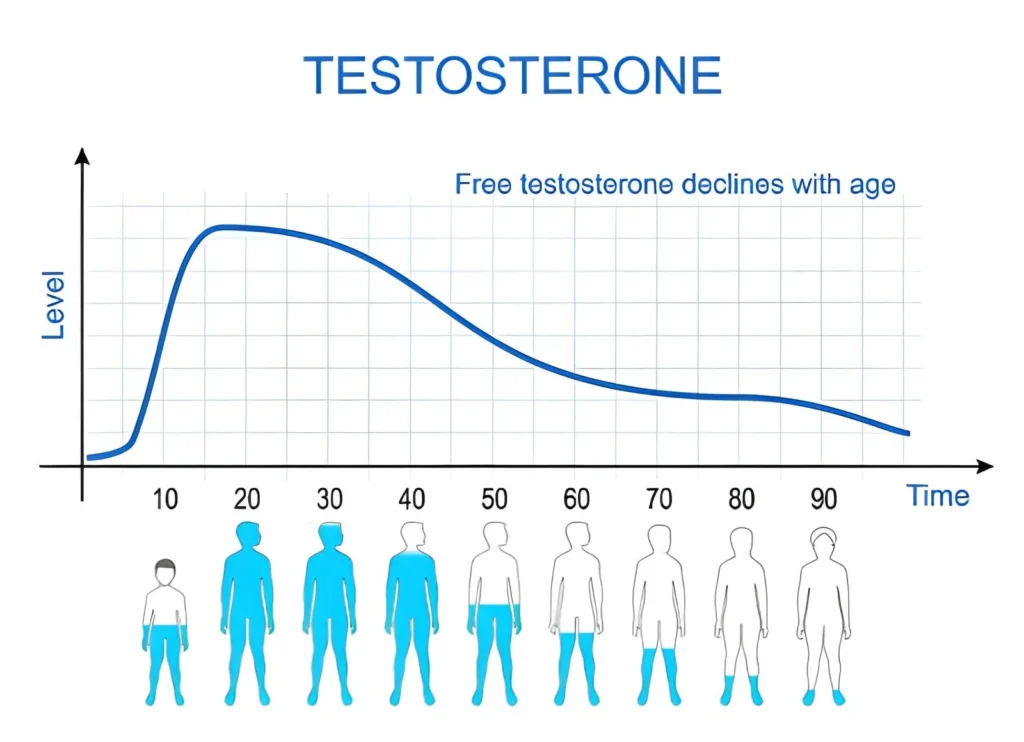
Normal testosterone levels by age vary significantly throughout a man’s life, with peak levels occurring in the late teens and twenties. Men in their 20s typically have testosterone levels between 600-1000 ng/dL, while those in their 30s see levels between 500-900 ng/dL. After age 40, testosterone declines about 1% per year, with men in their 50s averaging 400-700 ng/dL and those over 60 often dropping to 300-600 ng/dL. However, optimal levels depend on individual factors including genetics, health status, and lifestyle.
Understanding these age-related changes helps men recognize when their levels fall outside normal ranges and may require medical evaluation or intervention.
What Are Normal Testosterone Levels by Age Groups?
Testosterone levels follow a predictable pattern throughout a man’s life, with specific ranges considered normal for different age groups. Peak testosterone production occurs during late adolescence and early adulthood when the hormone system reaches full maturity. What is Testosterone explains how this hormone develops and functions throughout the male body during these crucial years. Young men benefit from high testosterone for building muscle mass, developing bone density, and establishing adult sexual function.
The timing of peak levels varies among individuals, but most men reach their highest testosterone between ages 18 and 25. These peak years establish the baseline from which future declines are measured. Genetics play a significant role in determining both peak levels and the rate of future decline.
Laboratory reference ranges provide general guidelines, but individual optimal levels may vary based on symptoms, health status, and quality of life factors. Some men function well with levels at the lower end of normal ranges, while others need higher levels to feel their best.
Testosterone Levels in Your 20s and 30s: The Peak Years
Men in their twenties and thirties enjoy the highest testosterone levels of their lives, supporting energy, muscle development, and reproductive function.
1. Testosterone Ranges for Men in Their 20s
Men aged 20 to 29 typically show testosterone levels between 600 and 1000 ng/dL, with an average around 700 to 800 ng/dL. These high levels support maximum muscle building potential, high energy levels, and strong sexual drive. Most men in this age group rarely experience symptoms of low testosterone unless underlying health issues are present.
The wide range reflects individual genetic differences and lifestyle factors. Men who exercise regularly, maintain healthy weight, and get adequate sleep often sustain levels toward the higher end of this range. Ways to Increase Testosterone Levels Naturally provides strategies that work especially well during these peak years.
2. Testosterone Changes in Your 30s
Testosterone levels in men aged 30 to 39 typically range from 500 to 900 ng/dL, with slight declines beginning around age 30. This represents the beginning of the natural aging process affecting hormone production. Most men still feel energetic and maintain good sexual function during their thirties.
The decline during this decade is gradual, usually 1 to 2% per year. Many men do not notice significant symptoms yet because levels remain within normal ranges. However, men with multiple risk factors may begin experiencing subtle changes in energy, mood, or body composition.
Take The First Step
Expert aesthetic and medical care is just a click away. You deserve to look and feel your absolute best. We specialize in advanced treatments like Sculptra and Lipodissolve to help you achieve your desired results. Partner with our specialists to create a personalized care plan.
Testosterone Decline in Your 40s and 50s: The Transition Years
The forties and fifties represent a transition period where testosterone decline becomes more noticeable and may begin affecting quality of life.
1. What to Expect in Your 40s?
Men in their forties typically have testosterone levels ranging from 450 to 750 ng/dL. This decade often marks when men first notice changes in energy, muscle mass, or sexual function. The decline becomes more consistent, averaging 1 to 1.5% per year for most men.
Low Testosterone Symptoms often become apparent during this decade, especially in men with other health issues. Sleep problems, weight gain, and mood changes may develop even when testosterone levels remain technically normal. Our blog on Causes of Low Testosterone in Men explains how lifestyle and health factors can accelerate decline during these years.
At Prime Healthcare of Cypress, TX, we provide comprehensive Men’s Health evaluations in Cypress, Physical Exams in Cypress that include hormone testing, and Chronic Disease Management in Cypress to address factors that affect testosterone production during midlife.
2. Testosterone Levels in Your 50s
Men aged 50 to 59 commonly show testosterone levels between 400 and 700 ng/dL. This range reflects the continued natural decline plus the cumulative effects of health conditions, medications, and lifestyle factors that become more common with age.
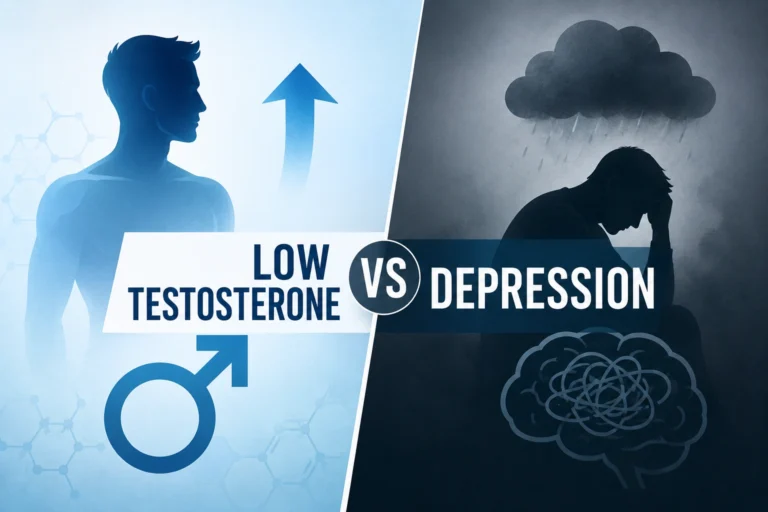
Many men begin considering hormone evaluation during their fifties as symptoms become more pronounced. Low Testosterone vs Depression becomes particularly relevant during this decade as mood symptoms may emerge alongside physical changes. Sleep quality often declines, which further affects hormone production.
Testosterone Levels After Age 60: Managing Later Years
Men over 60 face the greatest risk of clinically low testosterone, but many maintain adequate levels with proper health management. Testosterone levels in men over 60 typically range from 300 to 600 ng/dL, with increasing variability among individuals. Some men maintain levels similar to younger decades, while others drop below the clinical threshold for low testosterone treatment.
Health conditions become more influential at this age. Diabetes, heart disease, and multiple medications can significantly suppress testosterone production. However, healthy older men who maintain good weight, exercise regularly, and avoid major health problems often sustain better hormone levels.
Testosterone Replacement Therapy becomes more commonly considered and prescribed for men in this age group when levels drop below 300 ng/dL with accompanying symptoms. The benefits and risks require careful evaluation based on overall health status.
Understanding Normal Testosterone Ranges by Decade
Comparing normal testosterone levels across different age groups helps identify when individual levels may need medical attention.
| Age Group | Normal Range (ng/dL) | Average Level | Common Symptoms if Low |
|---|---|---|---|
| 20-29 | 600-1000 | 700-800 | Rare unless health issues present |
| 30-39 | 500-900 | 650-750 | Subtle energy or mood changes |
| 40-49 | 450-750 | 550-650 | Fatigue, weight gain, sleep issues |
| 50-59 | 400-700 | 500-600 | Sexual problems, muscle loss |
| 60+ | 300-600 | 400-500 | Multiple symptoms likely |
These ranges represent typical values, but individual needs vary based on genetics, health status, and symptom presentation.
Factors That Influence Normal Testosterone Levels
Several factors beyond age affect what constitutes normal testosterone levels for individual men at different life stages.
1. Genetics and Family History
Family history significantly influences both peak testosterone levels and the rate of decline with age. Men whose fathers maintained higher testosterone levels later in life often follow similar patterns. Genetic variations affect how efficiently your body produces testosterone and how sensitive your tissues are to the hormone.
Some men genetically produce less testosterone but have tissues that respond more effectively to available hormone. Others produce adequate amounts but have genetic variations that affect how testosterone works in their bodies.
2. Health Status and Medical Conditions
Chronic diseases accelerate testosterone decline beyond normal aging. Diabetes, obesity, sleep apnea, and liver disease all suppress hormone production. Men with multiple health conditions often show testosterone levels below normal ranges for their age.
Weight Loss programs and disease management can help restore testosterone levels closer to normal ranges. Controlling diabetes, treating sleep apnea, and maintaining healthy weight significantly impact hormone production at any age.
3. Lifestyle Factors Affecting Testosterone
Exercise, sleep quality, stress management, and nutrition all influence testosterone levels throughout life. Men who maintain healthy lifestyles often sustain higher testosterone levels well beyond typical age expectations.
Poor lifestyle choices accelerate testosterone decline. Chronic stress, inadequate sleep, excessive alcohol consumption, and sedentary behavior lower testosterone at any age. Mental Health Care in Cypress addresses stress and mood factors that affect hormone production.
When Testosterone Levels Require Medical Attention in Cypress?
Symptoms matter more than specific numbers when deciding if testosterone levels need medical attention. A man with testosterone at 350 ng/dL who feels energetic and functions well may not need treatment, while another man at 450 ng/dL with significant symptoms might benefit from intervention.
Multiple symptoms occurring together suggest possible low testosterone regardless of age. Persistent fatigue, mood changes, sexual problems, and physical changes warrant hormone evaluation. Blood tests should be done in the morning when testosterone peaks naturally.
Physical Exams in Cypress help identify underlying conditions that might be affecting testosterone production. Telemedicine consultations in Cypress may be available for follow up care and treatment monitoring between in-person visits.
FAQs
Take The First Step
Expert aesthetic and medical care is just a click away. You deserve to look and feel your absolute best. We specialize in advanced treatments like Sculptra and Lipodissolve to help you achieve your desired results. Partner with our specialists to create a personalized care plan.