How to Lower Blood Sugar Levels Naturally Without Medication
Lowering blood sugar naturally is possible for many people through specific dietary changes, exercise patterns, sleep improvements, and stress management techniques that improve insulin sensitivity without medication. Walking for 15 minutes after meals, reducing refined carbohydrate intake, increasing fiber consumption, managing stress levels, and prioritizing quality sleep all produce measurable reductions in blood sugar within weeks. These strategies work by improving how efficiently cells respond to insulin and reducing the glucose load the body needs to process at any given time.
This guide covers the most effective evidence based strategies for lowering blood sugar naturally and how to apply them consistently.
How Blood Sugar Regulation Works?
Blood sugar regulation depends on a delicate balance between glucose entering the bloodstream from food and insulin moving that glucose into cells for energy. When this system works properly, blood sugar remains stable throughout the day regardless of meals or activity levels.
Insulin resistance disrupts this balance by making cells less responsive to insulin’s signal, forcing the pancreas to produce more insulin to achieve the same effect. Over time, this compensation becomes insufficient, and blood sugar begins rising above normal ranges. Nearly every natural strategy for lowering blood sugar works by directly improving insulin sensitivity rather than simply avoiding sugar intake.
Recognizing type 2 diabetes symptoms early allows people to begin natural interventions before blood sugar reaches levels that require medication. Understanding what is chronic disease management helps frame these natural strategies as part of a broader approach to long term health, since blood sugar regulation requires ongoing attention rather than temporary changes.

Natural Strategies to Lower Blood Sugar
Each of these strategies targets blood sugar through a different mechanism, and combining several produces better results than relying on just one.
1. Walk for 15 Minutes After Meals
Post meal walking is one of the most effective and immediately actionable strategies for lowering blood sugar. Even a short walk after eating significantly reduces the blood sugar spike that normally follows a meal, because muscle contraction allows cells to absorb glucose through a pathway that does not require insulin.
This means walking lowers blood sugar even in people with significant insulin resistance, making it one of the few interventions that works regardless of how severe existing resistance has become. Research consistently shows that walking after the largest meal of the day produces greater benefit than walking at other times. Consistency matters more than intensity. A gentle 15 minute walk performed daily after meals produces better long term control than occasional vigorous exercise, because it directly targets the glucose spike when it matters most.
2. Cut Back on Refined Carbs and Added Sugar
Refined carbohydrates and added sugars cause rapid blood sugar spikes because they break down quickly during digestion, flooding the bloodstream with glucose faster than the body can efficiently process it.
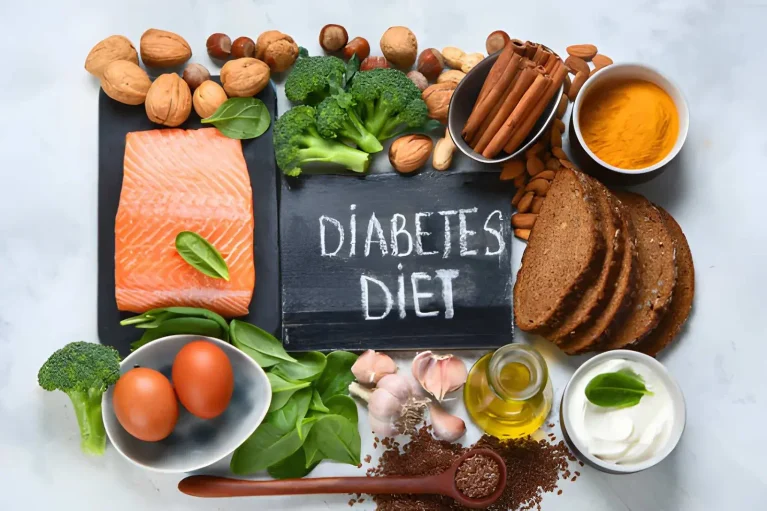
White bread, white rice, pastries, sugary drinks, and most packaged snack foods fall into this category. Replacing these foods with whole grains, legumes, and vegetables slows glucose absorption significantly because fiber content in whole foods delays digestion and glucose release. Sugar sweetened beverages deserve particular attention because liquid sugar is absorbed even faster than sugar from solid food.
3. Increase Your Daily Fiber Intake
Dietary fiber slows carbohydrate digestion and glucose absorption, producing more gradual blood sugar rises after meals compared to low fiber foods with identical carbohydrate content. Soluble fiber, found in oats, beans, and certain fruits, provides the most significant benefit by forming a gel like substance during digestion that physically slows glucose absorption.
Most adults consume far less fiber than the recommended 25 to 35 grams daily, representing a significant opportunity for blood sugar improvement through dietary adjustment alone. Adding beans, lentils, vegetables, and whole grains to meals increases fiber while displacing some refined carbohydrate intake. Fiber also supports healthy gut bacteria that produce compounds linked to improved insulin sensitivity, representing a secondary pathway through which increased fiber intake supports blood sugar regulation.
4. Manage Stress Levels Consistently
Chronic stress elevates cortisol, a hormone that directly raises blood sugar by signaling the liver to release stored glucose into the bloodstream. This mechanism evolved to provide quick energy during brief emergencies but becomes problematic when stress remains constant.
Effective techniques include regular physical activity, adequate sleep, meditation or deep breathing, and time spent outdoors. Even five minutes of deep breathing before meals can measurably reduce the cortisol response that contributes to elevated blood sugar. Symptoms of chronic disease often worsen under chronic stress because cortisol affects multiple body systems simultaneously, not blood sugar alone.
5. Prioritize 7 to 9 Hours of Quality Sleep
Poor sleep quality and insufficient duration directly impair insulin sensitivity, making blood sugar harder to control regardless of dietary choices. Studies show that even a single night of poor sleep can reduce insulin sensitivity by 20 to 25 percent in otherwise healthy individuals.
Sleep deprivation also increases cravings for high carbohydrate and sugary foods by disrupting hunger regulating hormones, creating a compounding effect where poor sleep both worsens insulin sensitivity and increases the likelihood of eating foods that spike blood sugar further. Establishing consistent sleep and wake times, limiting screen exposure before bed, and keeping bedrooms cool and dark all support the sleep quality needed for healthy blood sugar regulation.
6. Add Strength Training to Your Routine
Building muscle mass through resistance training improves blood sugar control because muscle tissue serves as the primary storage site for glucose in the form of glycogen. More muscle mass means more capacity to store glucose, reducing the amount that remains in the bloodstream after meals.
Resistance training also improves insulin sensitivity independently of its effect on muscle mass, with research showing measurable improvements in glucose uptake efficiency within weeks of beginning a consistent program. This benefit occurs even without significant visible muscle growth. Combining strength training with post meal walking produces compounding benefits, as stronger muscles become more effective at absorbing glucose during subsequent walks and daily activities.
7. Stay Consistently Hydrated
Proper hydration supports healthy blood sugar levels because the kidneys need adequate water to filter and remove excess glucose from the bloodstream efficiently. When dehydrated, blood sugar becomes more concentrated, and the kidneys struggle to flush out excess glucose properly.
Drinking water throughout the day, rather than large amounts infrequently, helps maintain steady glucose filtration. Replacing sugary drinks with water provides a dual benefit by removing a major source of added sugar while simultaneously supporting proper hydration for blood sugar regulation. Most adults benefit from drinking half their body weight in ounces of water daily, though individual needs vary based on activity level, climate, and overall health status.
8. Practice Portion Control and Meal Timing
Eating large meals, particularly those high in carbohydrates, overwhelms the body’s capacity to manage the resulting glucose load efficiently, regardless of overall diet quality. Smaller, more frequent meals often produce steadier blood sugar levels than three large meals spread far apart.
Eating protein and vegetables before carbohydrates during a meal, a strategy called meal sequencing, slows glucose absorption and reduces the blood sugar spike that follows. This simple ordering change requires no dietary restriction yet produces measurable improvement in post meal glucose readings. Avoiding late night eating also supports better blood sugar control, as insulin sensitivity naturally decreases in the evening hours, making the body less efficient at processing glucose from late meals compared to meals eaten earlier in the day.
Take The First Step
Expert aesthetic and medical care is just a click away. You deserve to look and feel your absolute best. We specialize in advanced treatments like Sculptra and Lipodissolve to help you achieve your desired results. Partner with our specialists to create a personalized care plan.
Natural Blood Sugar Strategies Comparison Table
Understanding the relative impact and timeline of these strategies helps prioritize which changes to implement first for the fastest results.
| Strategy | Mechanism | Time to See Results | Effort Level |
|---|---|---|---|
| Post meal walking | Non insulin glucose uptake | Immediate, same day | Low |
| Reducing refined carbs | Slower glucose absorption | 1-2 weeks | Moderate |
| Increasing fiber | Delayed digestion, gut health | 2-3 weeks | Moderate |
| Stress management | Lower cortisol, less glucose release | 2-4 weeks | Moderate |
| Sleep improvement | Better insulin sensitivity | 1-2 weeks | Low to moderate |
| Strength training | More glucose storage capacity | 3-6 weeks | High |
| Hydration | Improved kidney filtration | 1-2 weeks | Low |
| Portion control and timing | Reduced glucose load per meal | Immediate to 1 week | Low to moderate |
When Natural Approaches Are Not Enough?
Natural strategies produce meaningful blood sugar improvement for many people, particularly those with prediabetes or mild insulin resistance. However, these approaches have limits, and recognizing when additional support is needed prevents dangerous delays in appropriate treatment.
People with significantly elevated blood sugar, persistent symptoms despite consistent natural interventions, or existing complications from diabetes should not rely on natural strategies alone. Managing chronic conditions effectively often requires combining natural approaches with appropriate medical treatment rather than choosing one approach exclusively.
Natural strategies work best when implemented under professional guidance rather than attempted in isolation without monitoring. Regular blood sugar testing helps confirm whether natural interventions are producing adequate improvement or whether additional treatment is needed.
Managing Blood Sugar Long Term in Cypress
Sustainable blood sugar control combines natural strategies with professional monitoring and support tailored to individual needs and risk factors. At Prime Healthcare of Cypress, chronic disease management in Cypress provides comprehensive blood sugar evaluation and treatment planning that incorporates natural strategies alongside medical intervention when necessary. The practice also offers weight loss support in Cypress, since body composition changes significantly impact insulin sensitivity and overall blood sugar control for most patients.
Chronic disease management at home becomes more effective when natural strategies are implemented under professional guidance, with regular check ins to track progress and adjust the approach as needed. Types of chronic health conditions often share overlapping risk factors and management strategies, meaning that natural blood sugar interventions frequently improve related conditions like high blood pressure and cholesterol simultaneously. This broader health benefit provides additional motivation for maintaining these lifestyle changes consistently over time.
FAQs
Take The First Step
Expert aesthetic and medical care is just a click away. You deserve to look and feel your absolute best. We specialize in advanced treatments like Sculptra and Lipodissolve to help you achieve your desired results. Partner with our specialists to create a personalized care plan.