Can Thyroid Problems Cause Weight Gain? How Much and Why
Yes, thyroid problems can cause weight gain, but usually less than people expect. An underactive thyroid, called hypothyroidism, often adds about 5 to 10 pounds. Most of that weight comes from extra salt and water, not fat. The gain happens because low thyroid hormone slows your metabolism, so your body burns fewer calories at rest. Low energy also makes you move less. Severe hypothyroidism can cause more gain, while an overactive thyroid usually causes weight loss.
If you have gained more than 10 pounds with no change in diet or activity, a thyroid problem is rarely the only cause. A simple TSH blood test shows if your thyroid plays a part.
How Thyroid Hormone Controls Your Weight?
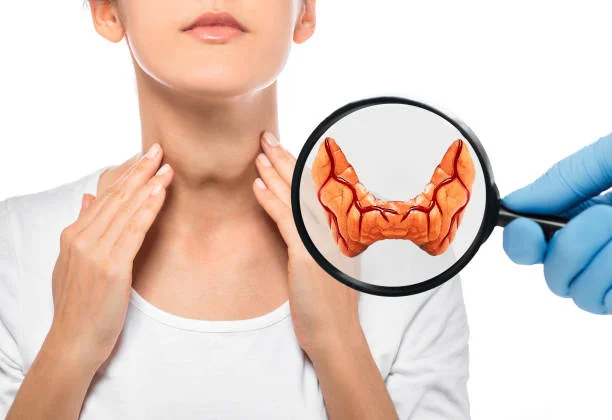
Your thyroid is a small gland at the front of your neck that releases two hormones, T4 and T3. These hormones set your basal metabolic rate, which is the number of calories your body burns at rest. They also control your heart rate, body temperature, digestion, and energy level. When thyroid hormone stays in a healthy range, your metabolism runs at a steady pace.
Your pituitary gland watches thyroid hormone levels through a hormone called TSH, short for thyroid stimulating hormone. When thyroid hormone drops, TSH rises to push the thyroid harder. When thyroid hormone climbs too high, TSH falls. A thyroid function test measures TSH and free T4 to show which direction your thyroid has moved and how far. That result shows if your thyroid could explain recent weight changes.
Thyroid hormone affects weight in both directions. Too little hormone slows your metabolism and leads to weight gain. Too much hormone speeds it up and usually causes weight loss, even when you eat more than usual. That is why the answer to the question depends on which thyroid problem you have. Hypothyroidism is the thyroid problem most closely tied to weight gain.
Why Hypothyroidism Causes Weight Gain?
Thyroid problems cause weight gain through three main paths at the same time. The sections below explain how a slower metabolism, fluid retention, and low energy work together to move the number on the scale.
1. A Slower Metabolism Burns Fewer Calories
Low thyroid hormone lowers your basal metabolic rate, so your body burns fewer calories just to keep you alive. In severe hypothyroidism, the resting metabolic rate can drop by up to 40 percent. Mild cases cause a much smaller drop. Even a small decrease can add a few pounds over several months when you keep eating the same amount of food as before.
Your digestion also slows down, and constipation becomes common. Food moves through your gut more slowly, which can add bloating and a heavier feeling. These changes build gradually, so most people do not connect them to the thyroid right away. Our guide on Hypothyroidism Symptoms in Women explains the other early signs that often appear alongside this kind of slow weight gain.
2. Extra Salt and Water Make Up Most of the Gain
The American Thyroid Association notes that much of the weight gained with hypothyroidism is extra salt and water. Low thyroid hormone lets certain proteins and sugars build up in the skin and tissues. These substances hold on to water, which causes puffiness in the face, around the eyes, and in the hands and feet. This fluid is not body fat.
This explains why the gain usually stays in the 5 to 10 pound range for most people. It also explains why some of the weight comes off quickly once treatment starts. The fluid leaves first as thyroid hormone returns to normal. Fat gained from eating more or moving less stays until you change your diet and activity, just like weight gain from any other cause.
3. Fatigue Leads to Less Movement
Constant tiredness is one of the most common signs of an underactive thyroid. Muscles can feel weak, stiff, or sore, and exercise starts to feel much harder than it used to. Many people skip workouts, walk less during the day, and spend more time sitting. Over weeks and months, that drop in activity burns fewer calories and adds to the gain.
Low thyroid hormone can also affect mood and sleep. Depression, brain fog, and poor sleep make it harder to plan meals or stick with a routine. Some people eat more comfort food when they feel drained. These habits can add true fat on top of the fluid weight. Thyroid treatment often restores energy, which makes it easier to get moving again.
Take The First Step
Your health and wellness goals deserve expert attention. Our board-certified team is here to listen, evaluate, and build a care plan tailored to your unique needs. Whether you’re exploring your options or ready to get started, the next step is simple.
How Much Weight Can Thyroid Problems Cause?
Most people with hypothyroidism gain about 5 to 10 pounds. The more severe the hormone shortage, the more weight a person tends to gain. Mild or subclinical hypothyroidism, where TSH is slightly high but free T4 is normal, usually causes only a small change on the scale. Severe, untreated hypothyroidism can cause a larger gain because of heavy fluid buildup in the tissues.
A gain of 20, 30, or 50 pounds rarely comes from the thyroid alone. Other common causes include changes in diet, less activity, poor sleep, stress, certain medicines, and other hormone conditions. Insulin resistance, PCOS, perimenopause, and low testosterone all affect weight too. Your doctor looks at the full picture before blaming the thyroid for large or fast weight changes. The table below compares thyroid related weight gain with other common causes. It shows the usual amount of gain, the clues that point to each cause, and the test that helps confirm it.
| Cause | Typical Weight Gain | Key Clues | Main Test |
|---|---|---|---|
| Hypothyroidism | 5 to 10 pounds, mostly fluid | Fatigue, feeling cold, dry skin, puffy face | TSH and free T4 |
| Insulin resistance or prediabetes | Gradual, mostly belly fat | Cravings, dark skin patches, fatigue after meals | A1C and fasting glucose |
| PCOS | Gradual, often around the waist | Irregular periods, acne, extra hair growth | Hormone panel and ultrasound |
| Perimenopause | About 1 to 2 pounds per year | Hot flashes, night sweats, skipped periods | Symptoms and cycle history |
| Low testosterone in men | Gradual, belly fat | Low sex drive, low energy, muscle loss | Morning testosterone level |
| Medicines | Varies by drug | Gain after starting a new prescription | Medication review |
Can Hyperthyroidism Cause Weight Gain?
Hyperthyroidism, or an overactive thyroid, usually causes weight loss rather than weight gain. Extra thyroid hormone speeds up your metabolism, so your body burns calories faster than normal. Many people lose weight even while eating more than usual. Other signs include a fast heartbeat, anxiety, shaky hands, heat intolerance, frequent bowel movements, and trouble sleeping. Graves’ disease is the most common cause.
A smaller group of people with hyperthyroidism actually gain weight. The extra hormone can make you very hungry, and some people eat more calories than their faster metabolism burns. This happens more often in younger people and in mild cases. Weight gain does not rule out an overactive thyroid, so your doctor still checks thyroid levels if other symptoms fit.
Weight gain is also common after hyperthyroidism treatment. Radioactive iodine, antithyroid medicine, and thyroid surgery bring hormone levels back down, and your metabolism slows to normal. Many people regain the weight they lost, and some gain more. If treatment leaves you with an underactive thyroid, you will need levothyroxine, and the right dose helps keep your weight steady.
Will You Lose Weight After Thyroid Treatment?
Levothyroxine, the standard treatment for hypothyroidism, replaces the missing T4 hormone. Once your TSH returns to the normal range, your metabolism returns to normal too, and thyroid weight gain often starts to reverse. Most people lose some weight in the first few months, mostly the extra fluid. The loss is usually modest, often less than 10 percent of body weight, and it varies from person to person.
Treatment does not melt away fat that built up from eating more or moving less. That fat responds only to the same steps that work for anyone, such as better food choices, regular exercise, and good sleep. Extra thyroid medicine taken for weight loss is dangerous. It can cause heart rhythm problems, bone loss, anxiety, and other serious side effects.
At Prime Healthcare of Cypress, we check your thyroid levels, review your weight history, and look for other causes before building a plan with you. Our chronic disease management in Cypress covers levothyroxine dosing and regular TSH checks. Our weight loss management in Cypress offers medically supervised plans for weight that stays after your thyroid levels are back in range.
How to Manage Weight With a Thyroid Problem?
Weight loss with a thyroid condition takes two steps. First, your thyroid levels need to be in the right range. Then healthy daily habits and, in some cases, medical weight loss help remove the weight that stays.
1. Get Your Thyroid Levels in the Right Range
Start with a TSH and free T4 test to see where your levels stand. Our blog on thyroid function test explains what each number means and how to prepare for your blood draw. If you already take levothyroxine, your doctor rechecks TSH 6 to 8 weeks after any dose change, then every 6 to 12 months once stable.
Take levothyroxine the same way every day, usually in the morning on an empty stomach, 30 to 60 minutes before breakfast. Calcium, iron, soy, and coffee can block absorption, so space them at least four hours apart. Missed doses and poor timing can keep TSH high and slow your progress. Thyroid labs also fit easily into annual physical exams in Cypress.
2. Use Diet, Exercise, and Medical Weight Loss
Focus on protein, fiber, vegetables, and whole foods, and cut back on sugar, white bread, and processed snacks. Strength training two to three times a week helps rebuild muscle, which burns more calories at rest. Aim for 150 minutes of moderate activity each week, such as brisk walking. Seven to nine hours of sleep also helps control hunger hormones.
Some people still struggle after their thyroid levels are normal. Weight loss injections such as semaglutide (Wegovy) and tirzepatide (Zepbound) can help, and our post on best injection for weight loss compares how these options work. These drugs carry a warning for people with a personal or family history of medullary thyroid cancer, so your provider reviews your thyroid history first.
Frequently Asked Questions
Take The First Step
Your health and wellness goals deserve expert attention. Our board-certified team is here to listen, evaluate, and build a care plan tailored to your unique needs. Whether you’re exploring your options or ready to get started, the next step is simple.