
Normal A1C Level by Age and What Your Results Mean
The A1C test gives you a three month snapshot of your average blood sugar levels and serves as one of the most reliable tools for detecting diabetes and prediabetes early. A normal A1C level falls below 5.7 percent for most healthy adults, but the target range can shift depending on your age, overall health, and existing medical conditions. Patients in Cypress, Katy, Tomball, and the surrounding Northwest Houston area often receive A1C results without a clear explanation of what those numbers actually mean.
This guide breaks down the normal A1C level by age group, explains how A1C compares to fasting blood sugar tests, covers what happens when your levels climb too high, and shows you practical steps to bring your A1C back into a healthy range.
What Your A1C Test Measures and Why It Matters?
The A1C test measures the percentage of hemoglobin in your red blood cells that has glucose attached to it. Red blood cells live for approximately 90 to 120 days, so the test captures your average blood sugar over the past two to three months rather than a single moment in time. This makes the A1C a more complete picture of blood sugar control than a fasting glucose test taken on one morning.
Doctors use the A1C test to screen for type 2 diabetes, monitor patients already diagnosed with diabetes, and identify prediabetes before it progresses. A normal A1C level below 5.7 percent means your blood sugar has stayed within a healthy range over the past three months. Results between 5.7 and 6.4 percent fall into the prediabetes category, and anything at 6.5 percent or above on two separate tests confirms a diabetes diagnosis. Patients who manage conditions like diabetes and high blood pressure benefit from regular A1C testing as part of their chronic disease management plan.
The frequency of A1C testing depends on your current health status. Healthy adults with a normal A1C level should get tested every three years after age 45. Patients with prediabetes need testing every one to two years to catch any progression early. Adults already diagnosed with diabetes typically need an A1C test every three to six months to confirm their treatment plan is working and their blood sugar remains under control.
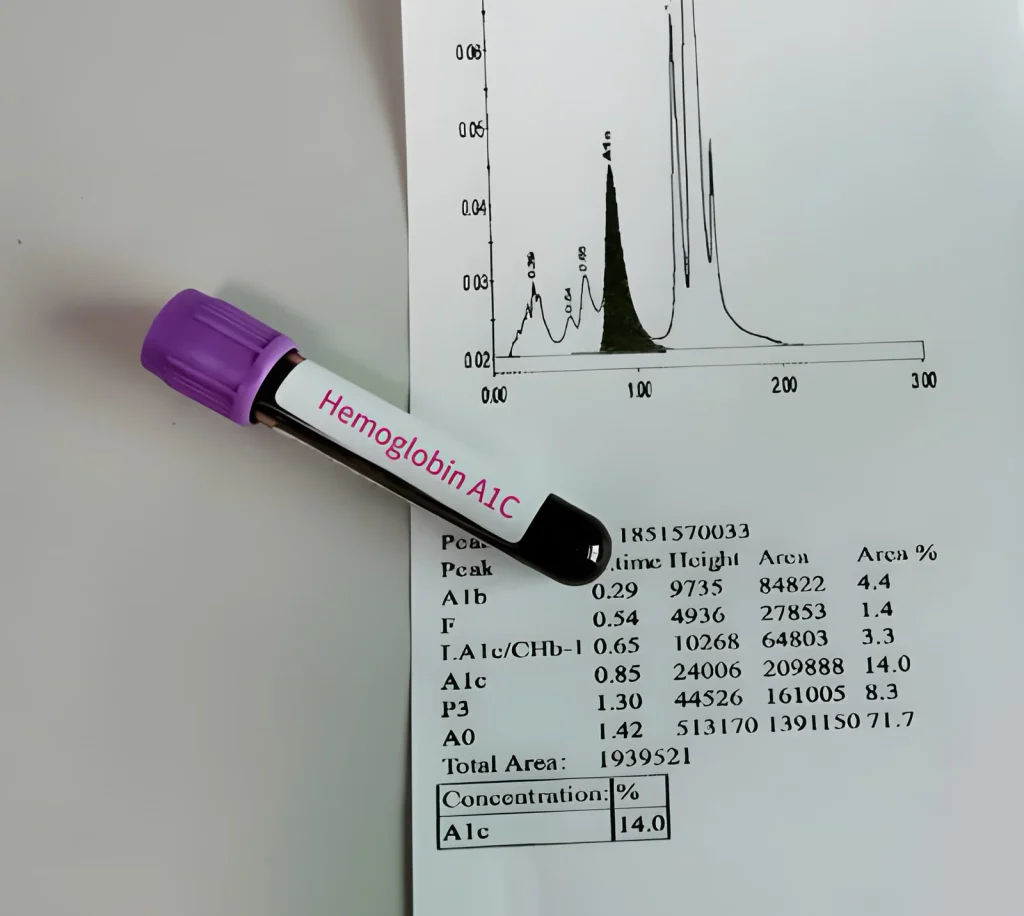
Normal A1C Level Ranges by Age Group
The normal A1C level can vary depending on age and overall health, and providers adjust target ranges for older adults and patients with other medical conditions.
1. Adults Under 40
Adults under 40 without diabetes or other chronic conditions should aim for an A1C below 5.7 percent, which corresponds to an estimated average blood sugar of about 117 mg/dL or lower. This age group typically has the lowest A1C values because their bodies produce and respond to insulin efficiently, and they have had fewer years of cumulative blood sugar exposure.
Young adults with A1C results between 5.7 and 6.4 percent are in the prediabetes range, and this finding at a younger age deserves attention because it signals that insulin resistance may already be developing. Studies show that adults diagnosed with prediabetes before age 40 face a higher lifetime risk of progressing to type 2 diabetes compared to those diagnosed later. A normal A1C level at this stage can often be restored through dietary changes, increased physical activity, and weight management without medication.
2. Adults 40 to 64
A normal A1C level for adults between 40 and 64 remains below 5.7 percent under standard guidelines, but this is the age range where A1C levels most commonly begin to rise. Insulin sensitivity decreases gradually with age, and factors like reduced physical activity, weight gain, and changes in metabolism contribute to higher average blood sugar readings over time. The American Diabetes Association recommends that all adults begin routine A1C screening at age 35, with earlier testing for those who carry risk factors like a family history of diabetes or a body mass index above 25.
Adults in this age group who already have a diabetes diagnosis typically work with their provider to maintain an A1C below 7.0 percent. This target balances effective blood sugar control with a lower risk of hypoglycemia from aggressive treatment. Patients who want to understand how their diet affects their A1C results can review the best foods for diabetics to find meal choices that support steady blood sugar levels throughout the day.
3. Adults 65 and Older
The target A1C for adults 65 and older often shifts to below 7.5 or even 8.0 percent depending on the patient’s overall health, life expectancy, and risk of complications from low blood sugar episodes. Older adults are more susceptible to hypoglycemia, which can cause dizziness, falls, confusion, and hospitalization. A provider who sets a slightly higher A1C target for an older patient is making a deliberate choice to reduce the risk of dangerous blood sugar drops while still maintaining reasonable control.
Older adults with few other health conditions and strong daily functioning may still aim for an A1C below 7.0 percent, the same target as younger patients. The decision depends on a thorough evaluation of the patient’s medications, kidney function, cardiovascular health, and cognitive status. Regular A1C testing paired with routine primary care visits gives older adults the best chance of catching changes early and adjusting treatment before complications develop.
Take The First Step
Expert aesthetic and medical care is just a click away. You deserve to look and feel your absolute best. We specialize in advanced treatments like Sculptra and Lipodissolve to help you achieve your desired results. Partner with our specialists to create a personalized care plan.
A1C vs Fasting Blood Sugar: How the Two Tests Compare
The A1C test and the fasting blood sugar test both measure blood sugar, but they capture different information and serve different purposes. A fasting blood sugar test measures glucose at a single point in time after eight hours without food, while the A1C test averages blood sugar over two to three months. A patient can have a normal fasting glucose reading on one morning and still carry an elevated A1C because blood sugar spikes after meals or during the night go undetected by the fasting test alone.
| Factor | A1C Test | Fasting Blood Sugar Test |
|---|---|---|
| What it measures | Average blood sugar over 2 to 3 months | Blood sugar at one moment after fasting |
| Normal range | Below 5.7 percent | Below 100 mg/dL |
| Prediabetes range | 5.7 to 6.4 percent | 100 to 125 mg/dL |
Certain conditions can affect the accuracy of A1C results without changing actual blood sugar levels. Iron deficiency anemia, kidney disease, sickle cell trait, and recent blood transfusions can all cause the A1C to read higher or lower than the true average. Patients with these conditions may need alternative monitoring methods such as fructosamine tests or continuous glucose monitors to get an accurate picture of their blood sugar control.
Doctors typically use both tests together to confirm a diagnosis. An elevated A1C paired with a high fasting glucose provides strong evidence for diabetes. Patients who experience physical symptoms of anxiety around blood draws can discuss telemedicine consultations for reviewing their results and treatment plan from home after the lab work is complete.
How to Lower Your A1C and Keep It in a Healthy Range?
A normal A1C level requires consistent daily habits rather than short term changes. A reduction in refined carbohydrates and added sugars lowers the blood sugar spikes that drive A1C higher over time. A switch from white bread, sugary drinks, and processed snacks to whole grains, vegetables, lean proteins, and healthy fats produces measurable A1C improvements within three to six months for most patients. A 5 to 7 percent reduction in body weight can lower A1C by 0.5 to 1.0 percentage points in patients with prediabetes or early type 2 diabetes.
Physical activity improves how your body uses insulin and pulls glucose from the bloodstream into muscle cells. The American Diabetes Association recommends at least 150 minutes of moderate activity per week, which breaks down to about 30 minutes five days a week of walking, cycling, or swimming. Resistance training two to three times per week adds further benefit because muscle tissue uses glucose more efficiently than fat tissue. Patients who also manage stress alongside blood sugar control can review the signs of depression and natural ways to treat depression to address emotional health factors that often interfere with consistent self care routines.
Families in Cypress and the greater Northwest Houston area can schedule A1C testing and follow up appointments through Prime Healthcare of Cypress to stay on top of their blood sugar management. Patients who take diabetes medication should work with their provider to adjust dosages based on A1C trends rather than single glucose readings. A normal A1C level is a realistic goal for many patients with prediabetes and early type 2 diabetes when dietary changes, exercise, and medical guidance work together over time.
Frequently Asked Questions
Take The First Step
Expert aesthetic and medical care is just a click away. You deserve to look and feel your absolute best. We specialize in advanced treatments like Sculptra and Lipodissolve to help you achieve your desired results. Partner with our specialists to create a personalized care plan.