10 Natural Ways to Increase Testosterone Levels
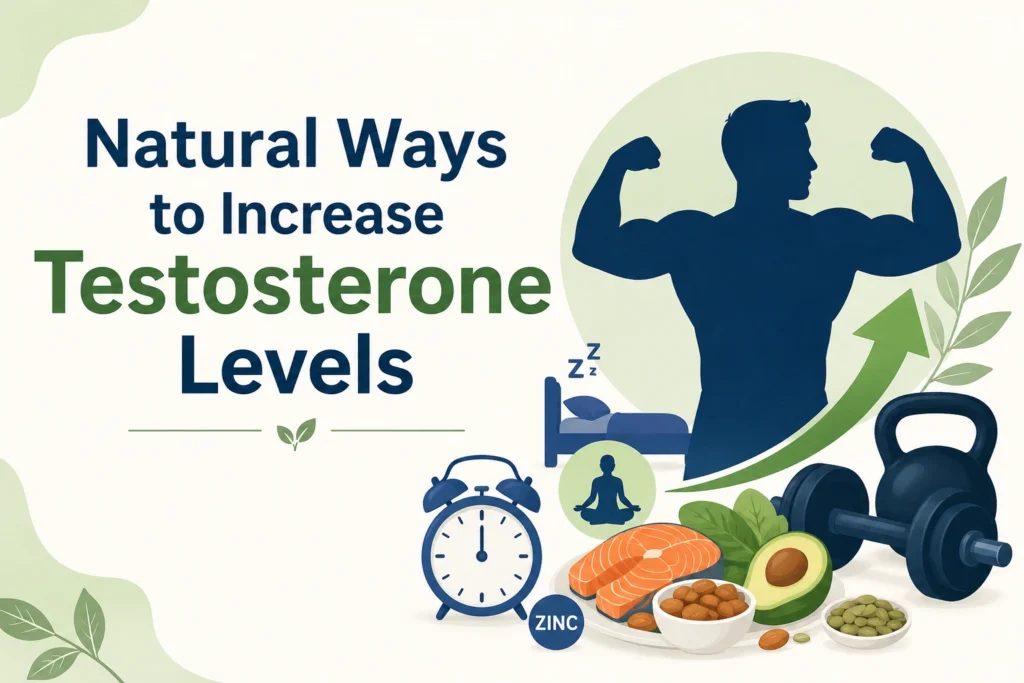
Ways to increase testosterone levels naturally include strength training, maintaining healthy body weight, getting adequate sleep, managing stress, and eating testosterone-supporting foods. Regular exercise, especially weight lifting, can boost testosterone by 15-20% in men. Quality sleep for 7-9 hours nightly supports hormone production, while chronic stress elevates cortisol that suppresses testosterone. Zinc-rich foods, vitamin D supplementation, and healthy fats help optimize hormone synthesis.
Limiting alcohol, avoiding processed foods, reducing body fat, and incorporating high-intensity interval training also enhance natural testosterone production. These lifestyle modifications work together to support your body’s natural hormone production without requiring medication or replacement therapy.
Why Natural Testosterone Boosting Methods Work?
Your body produces testosterone through complex processes that respond directly to lifestyle factors and nutritional inputs. Natural methods work by supporting your body’s existing hormone production systems rather than replacing them with external sources. Our blog on What is Testosterone explains how your brain, testicles, and supporting organs work together to maintain healthy hormone levels. When you optimize these natural processes, you can often restore testosterone levels without medical intervention.
The advantage of natural approaches is that they address root causes of declining testosterone rather than just treating symptoms. Many factors that lower testosterone, such as poor sleep, excess weight, and chronic stress, can be modified through lifestyle changes. These modifications often improve overall health while supporting hormone production.
Natural methods also work synergistically, meaning combining several approaches produces better results than using any single strategy alone. Men who implement multiple natural testosterone-boosting techniques often see more significant and sustained improvements than those who focus on just one area.
Proven Natural Methods to Boost Testosterone Production
These evidence-based lifestyle modifications can significantly increase your body’s natural testosterone production without medical intervention.
1. Weight Training and Strength Building Exercises
Resistance training represents one of the most effective natural ways to boost testosterone production in men of all ages. Compound movements like squats, deadlifts, and bench presses stimulate testosterone release more effectively than isolation exercises. These multi-muscle exercises create a hormonal response that can increase testosterone levels by 15 to 20% when performed consistently. The key is lifting heavy weights with proper form and adequate rest between sessions.
Short, intense workouts produce better hormonal responses than long, moderate sessions. Training sessions lasting 45 to 60 minutes with heavy weights and 6 to 8 repetitions per set optimize testosterone release. Rest periods of 2 to 3 minutes between sets allow for maximum effort on each set.
Low Testosterone Symptoms often include muscle weakness and fatigue that improve significantly with consistent strength training. The muscle-building effects of weight training work synergistically with improved testosterone levels to enhance overall physical performance.
2. High-Intensity Interval Training for Hormone Optimization
HIIT workouts provide another powerful exercise method for naturally increasing testosterone production through short bursts of intense activity. HIIT involves alternating between periods of maximum effort and active recovery, typically lasting 15 to 25 minutes total. Examples include sprint intervals, bike sprints, or bodyweight circuits performed at high intensity. This training style can boost testosterone more effectively than steady-state cardio exercises.
The hormonal response from HIIT peaks immediately after exercise and can remain elevated for hours afterward. This extended elevation supports testosterone production throughout the day rather than just during the workout period. Three to four HIIT sessions per week provide optimal benefits without overtraining.
Recovery time between HIIT sessions matters because overtraining can actually lower testosterone levels. Adequate rest allows your hormonal system to adapt and strengthen in response to the training stimulus.
3. Sleep Optimization for Maximum Testosterone Production
Quality sleep represents one of the most critical factors for maintaining healthy testosterone levels naturally. Most testosterone production occurs during deep sleep phases, particularly during the first half of the night. Men who sleep less than six hours per night can experience testosterone decreases of 10 to 15% within one week. Conversely, improving sleep quality and duration often restores hormone levels to normal ranges.
Sleep consistency matters as much as total sleep time. Going to bed and waking up at regular times helps regulate your circadian rhythm, which controls hormone production cycles. Room temperature between 60 to 67 degrees Fahrenheit and complete darkness optimize sleep quality for hormone production.
Causes of Low Testosterone in Men often include sleep disorders like sleep apnea that fragment sleep and prevent proper hormone synthesis. Treating sleep problems frequently improves testosterone levels without other interventions.
4. Stress Management and Cortisol Reduction
Chronic stress directly suppresses testosterone production by elevating cortisol levels that interfere with hormone synthesis. Cortisol and testosterone have an inverse relationship, meaning high cortisol levels consistently suppress testosterone production. Chronic work stress, financial pressure, or relationship problems can maintain elevated cortisol that significantly lowers hormone levels over time.
Effective stress management techniques include meditation, deep breathing exercises, regular physical activity, and adequate social support. Even 10 to 15 minutes of daily meditation can help reduce cortisol levels and support testosterone production. Our blog on Low Testosterone vs Depression explores how stress, mood, and hormone levels interact in complex ways.
Time management and boundary setting also reduce chronic stress. Learning to say no to excessive commitments and creating work-life balance helps maintain healthier cortisol patterns throughout the day.
5. Weight Loss and Body Fat Reduction
Maintaining a healthy body weight significantly impacts testosterone production because excess fat tissue converts testosterone into estrogen. Body fat contains an enzyme called aromatase that transforms testosterone into estrogen, reducing available testosterone in your bloodstream. Men with waist circumferences over 40 inches typically have lower testosterone levels than leaner men of the same age. Normal Testosterone Levels by Age shows how weight affects hormone levels across different decades.
Losing excess weight often produces dramatic improvements in testosterone levels. Studies show that every 10 pounds of weight loss can increase testosterone by 30 to 50 ng/dL in overweight men. The weight loss approach matters less than achieving and maintaining a healthy body composition.
At Prime Healthcare of Cypress, TX, we support natural testosterone optimization through comprehensive Weight Loss programs in Cypress, Men’s Health evaluations in Cypress, and Physical Exams in Cypress that monitor hormone levels during lifestyle modifications.
6. Testosterone-Supporting Nutrition and Foods
Specific nutrients and foods directly support your body’s natural testosterone production processes. Foods that may help increase testosterone levels include zinc-rich options like oysters, beef, and pumpkin seeds that provide raw materials for hormone synthesis. Vitamin D from fatty fish or supplements supports testosterone production, especially in men with deficiencies. Healthy fats from nuts, olive oil, and avocados provide cholesterol that serves as the building block for all hormones.
Protein intake affects testosterone levels, with moderate amounts supporting hormone production while very low protein diets can suppress levels. Aim for 0.8 to 1 gram of protein per pound of body weight from quality sources like lean meats, eggs, and legumes.
Avoiding processed foods, excessive sugar, and trans fats helps maintain healthy hormone levels. These foods promote inflammation and weight gain that negatively impact testosterone production.
7. Vitamin D Optimization for Hormone Support
Vitamin D functions more like a hormone than a vitamin and directly influences testosterone production in men. Vitamin D deficiency is extremely common, affecting up to 75% of American men. Low vitamin D levels correlate strongly with reduced testosterone, while adequate levels support optimal hormone production. Testicles contain vitamin D receptors, suggesting a direct relationship between this nutrient and testosterone synthesis.
Sunlight exposure provides the most natural way to boost vitamin D levels. Spending 15 to 30 minutes in direct sunlight several times per week can significantly improve vitamin D status. During winter months or in northern climates, vitamin D supplements may be necessary to maintain adequate levels.
Blood testing helps determine your vitamin D status and guides appropriate supplementation doses. Most men need 1000 to 4000 IU daily to maintain optimal levels, but individual needs vary based on sun exposure, skin color, and geographic location.
8. Zinc and Magnesium for Hormone Production
These essential minerals play crucial roles in testosterone synthesis and overall male health. Zinc deficiency directly impairs testosterone production because this mineral is required for multiple enzymes involved in hormone synthesis. Men lose zinc through sweat and ejaculation, making adequate intake particularly important for active men. Oysters provide the highest zinc content, followed by red meat, poultry, and seeds.
Magnesium supports testosterone production and helps improve sleep quality that enhances hormone levels. Most men consume inadequate magnesium from food sources, making supplementation beneficial for many. Magnesium also helps reduce inflammation that can interfere with hormone production.
These minerals work together synergistically, meaning adequate levels of both produce better results than focusing on just one. ZMA (zinc, magnesium, and vitamin B6) supplements provide convenient dosing of these testosterone-supporting nutrients.
9. Intermittent Fasting for Hormone Optimization
Strategic fasting periods can boost testosterone levels by improving insulin sensitivity and promoting growth hormone release. Intermittent fasting involves restricting eating to specific windows, typically 8 hours of eating followed by 16 hours of fasting. This eating pattern can increase testosterone levels by improving insulin sensitivity, which supports healthy hormone production. Better insulin function reduces inflammation that interferes with testosterone synthesis.
The fasting period also stimulates growth hormone release that works synergistically with testosterone to support muscle building and fat loss. Many men find 16:8 intermittent fasting sustainable and effective for hormone optimization.
Proper implementation matters because extreme calorie restriction can actually lower testosterone. Maintain adequate total calorie intake within your eating window to support hormone production while gaining the metabolic benefits of fasting.
Natural Methods vs Medical Treatment Comparison
Understanding when natural approaches are sufficient versus when medical intervention may be needed helps guide treatment decisions.
| Testosterone Level | Natural Methods Effectiveness | Timeline for Results | When to Consider Medical Treatment |
|---|---|---|---|
| 400-600 ng/dL | High | 3-6 months | If symptoms persist after lifestyle changes |
| 300-400 ng/dL | Moderate | 6-12 months | Consider alongside natural methods |
| Below 300 ng/dL | Limited | Variable | Usually requires medical evaluation |
Natural methods work best for men with borderline low testosterone who are motivated to make comprehensive lifestyle changes. Testosterone Replacement Therapy may be appropriate for men with severely low levels or those who do not respond to natural approaches after 6 to 12 months of consistent effort.
Mental Health Care in Cypress can provide support for the lifestyle changes required to boost testosterone naturally, while Chronic Disease Management in Cypress addresses underlying conditions that affect hormone production.
FAQs
Take The First Step
Expert aesthetic and medical care is just a click away. You deserve to look and feel your absolute best. We specialize in advanced treatments like Sculptra and Lipodissolve to help you achieve your desired results. Partner with our specialists to create a personalized care plan.