Best Injection for Weight Loss: Semaglutide vs Tirzepatide
Two weight loss injections are changing the way doctors treat obesity, semaglutide and tirzepatide. Both are weekly shots that reduce hunger, slow digestion, and help patients lose a significant amount of weight. Studies show tirzepatide helps patients lose up to 22 percent of their body weight on average. Semaglutide helps patients lose around 15 percent. Semaglutide has been available longer and is covered by more insurance plans. Neither medication is the right choice for everyone.
The best option depends on your health history, your weight loss goals, and what your doctor recommends after reviewing your lab results.
What Is Semaglutide and How Does It Work?
Semaglutide is a medication that works by copying a hormone your body naturally makes after you eat. Your body produces a hormone called GLP-1 after meals. This hormone tells your brain you are full and slows down how fast food leaves your stomach. Semaglutide does the same thing. It tells your brain you are not hungry, keeps you feeling full longer, and reduces how much you want to eat throughout the day. Most people find that eating less feels natural on this medication rather than forced.
Semaglutide comes in two versions. Ozempic is the version approved for people with type 2 diabetes. Wegovy is the higher dose version approved specifically for weight loss. Wegovy is approved for adults with a BMI of 30 or above, or 27 and above if they have a health condition related to their weight such as high blood pressure, diabetes, or high cholesterol. Clinical trials called the STEP trials showed that patients using Wegovy lost an average of 15 percent of their body weight over 68 weeks.
Some patients also support their weight loss journey with nutritional IV therapy. A Myers Cocktail IV delivers B vitamins, magnesium, and vitamin C directly into the bloodstream to support energy metabolism and reduce fatigue during caloric restriction, something many patients on weight loss injections find useful during the early adjustment period.
What Is Tirzepatide and How Does It Work?
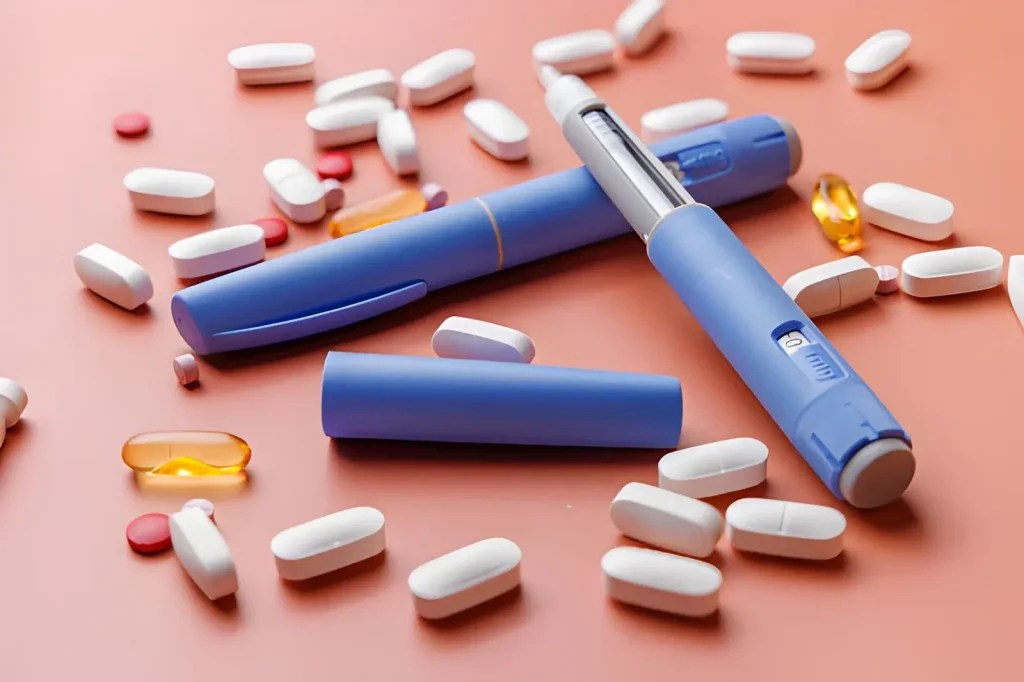
Tirzepatide works similarly to semaglutide but targets two hormones instead of one, which is why it produces stronger weight loss results. Your body makes two hormones after eating that help control blood sugar and appetite. These are GLP-1 and GIP. Semaglutide only targets GLP-1. Tirzepatide targets both GLP-1 and GIP at the same time. Targeting both hormones together reduces hunger more effectively, improves how the body processes insulin, and helps the body burn fat more efficiently.
Tirzepatide is sold as Mounjaro for type 2 diabetes and Zepbound for weight loss. Both are weekly injections that start at a low dose and increase gradually over time up to a maximum of 15 mg per week. The SURMOUNT-1 clinical trial showed that patients on the highest dose of tirzepatide lost an average of 22.5 percent of their body weight over 72 weeks. That level of weight loss is closer to what patients achieve with weight loss surgery than with most medications.
Women who struggle with weight gain due to hormonal issues like PCOS, insulin resistance, or perimenopause may benefit more from tirzepatide because it targets the metabolic and hormonal root causes of weight gain more directly than semaglutide.
Take The First Step
Expert aesthetic and medical care is just a click away. You deserve to look and feel your absolute best. We specialize in advanced treatments like Sculptra and Lipodissolve to help you achieve your desired results. Partner with our specialists to create a personalized care plan.
Semaglutide vs Tirzepatide: Side by Side Comparison
Looking at both medications together makes it easier to understand the differences.
| Feature | Semaglutide | Tirzepatide |
|---|---|---|
| How it works | Targets GLP-1 hormone | Targets GLP-1 and GIP hormones |
| Brand names | Ozempic and Wegovy | Mounjaro and Zepbound |
| Approved for weight loss | Yes since 2021 | Yes since 2023 |
| Average weight loss | 15 percent of body weight | 22.5 percent of body weight |
| How often you take it | Once a week | Once a week |
| Starting dose | 0.25 mg per week | 2.5 mg per week |
| Highest dose | 2.4 mg per week | 15 mg per week |
| Common side effects | Nausea, vomiting, diarrhea | Similar to semaglutide |
| Insurance coverage | More widely covered | Coverage still growing |
| How long it has been used | Longer history | Newer but strong results |
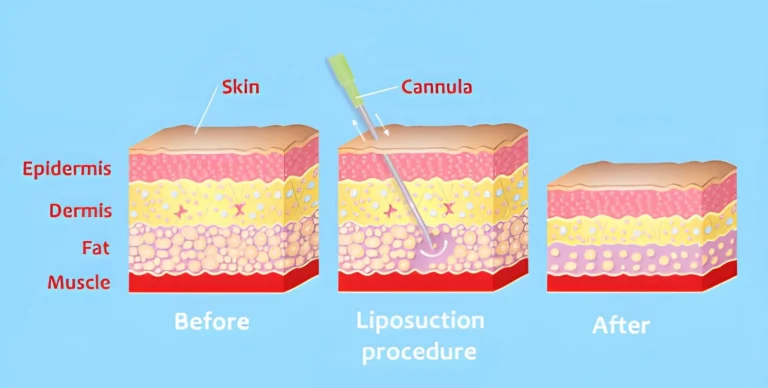
It is worth noting that weight loss injections like semaglutide and tirzepatide target overall body weight through hormonal and metabolic pathways. They are different from localized fat dissolving injections that target stubborn fat deposits in specific areas like the chin or abdomen. Patients interested in targeted fat reduction alongside systemic weight loss sometimes combine both approaches as part of a broader body contouring plan.
What Side Effects Should You Expect?
Both medications cause similar side effects because they work through similar hormonal pathways in the body. The most common side effects are stomach related. Nausea, vomiting, diarrhea, and constipation are reported most often when patients first start the medication or when the dose is increased. These symptoms usually improve after four to eight weeks once the body adjusts to the medication. Starting at the lowest possible dose and increasing slowly is the standard approach that most providers use to keep side effects manageable.
Other side effects include tiredness, reduced appetite beyond what is expected, and mild reactions at the injection site such as redness or itching. These typically go away on their own within a few days.
Both medications carry a warning about a possible increased risk of a rare type of thyroid cancer called medullary thyroid carcinoma. This risk has been seen in animal studies but has not been confirmed in human trials. Both medications are not recommended for patients with a personal or family history of this condition or a disorder called Multiple Endocrine Neoplasia syndrome type 2. Neither medication should be used during pregnancy or while breastfeeding.
Patients who want a full picture of what injectable treatments feel like and what reactions to watch for may find it helpful to read about dermal filler side effects and IV therapy side effects as well. Understanding how the body responds to different types of injections helps set realistic expectations before starting any new treatment.
Who Should Consider Weight Loss Injections?
Both medications are FDA approved for adults with a BMI of 30 or above, or 27 and above if they have a weight related health condition. Women with hormonal weight gain are particularly good candidates for these medications. Conditions like PCOS, an underactive thyroid, perimenopause, and insulin resistance make it very difficult to lose weight through diet and exercise alone. These conditions change how the body stores fat, regulates hunger, and responds to caloric reduction.
Women who have tried multiple weight loss approaches without lasting success, those with a strong family history of type 2 diabetes, and those whose weight is affecting their health in a meaningful way are all strong candidates for a medical weight loss evaluation.
At Prime Healthcare of Cypress, we offer comprehensive Women’s Health Care in Cypress, Weight Loss treatment in Cypress, Chronic Disease Management in Cypress, and Telemedicine in Cypress to help women find the right weight loss injection, get proper dosing and monitoring, and address the hormonal and metabolic factors that make weight loss difficult without clinical support.
Patients with a history of pancreatitis, severe digestive disease, or certain kidney conditions may not be good candidates for either medication. A full medical review before starting treatment is essential for safe and effective results.
Which Injection Is the Right One for You?
The right medication depends on your personal health situation and what your doctor recommends after reviewing your results. Tirzepatide is the stronger option based on clinical trial data. It produces more weight loss on average and targets more of the metabolic and hormonal factors that drive weight gain. For women whose weight is connected to insulin resistance, PCOS, or hormonal changes, tirzepatide may address more of the underlying causes than semaglutide does.
Semaglutide is still an excellent choice. It has a longer track record, is covered by more insurance plans, and produces significant weight loss for most patients who use it correctly. Many patients reach their weight loss goals on semaglutide without ever needing a stronger medication.
The best starting point is a consultation with a provider who reviews your blood sugar, insulin levels, thyroid function, cholesterol, and weight history before making a recommendation. A weight loss injection works best as part of a full treatment plan that includes nutritional guidance, regular monitoring, and consistent follow-up care.
FAQs
Take The First Step
Expert aesthetic and medical care is just a click away. You deserve to look and feel your absolute best. We specialize in advanced treatments like Sculptra and Lipodissolve to help you achieve your desired results. Partner with our specialists to create a personalized care plan.