How to Lower Your A1C Naturally: 10 Proven Steps That Work
You can lower your A1C naturally by cutting back on sugar and refined carbs, eating more fiber, filling half your plate with vegetables, walking after meals, exercising 150 minutes a week, losing 5 to 10 percent of your body weight, sleeping seven to nine hours, managing stress, drinking water instead of sugary drinks, and checking your blood sugar at home. Together, these steps can lower A1C by about 0.5 to 2 points. Because A1C reflects your average blood sugar over about three months, most people see results on their next test in 8 to 12 weeks. Some people also need medicine to reach a healthy A1C.
What Is A1C and Why Does Lowering It Matter?
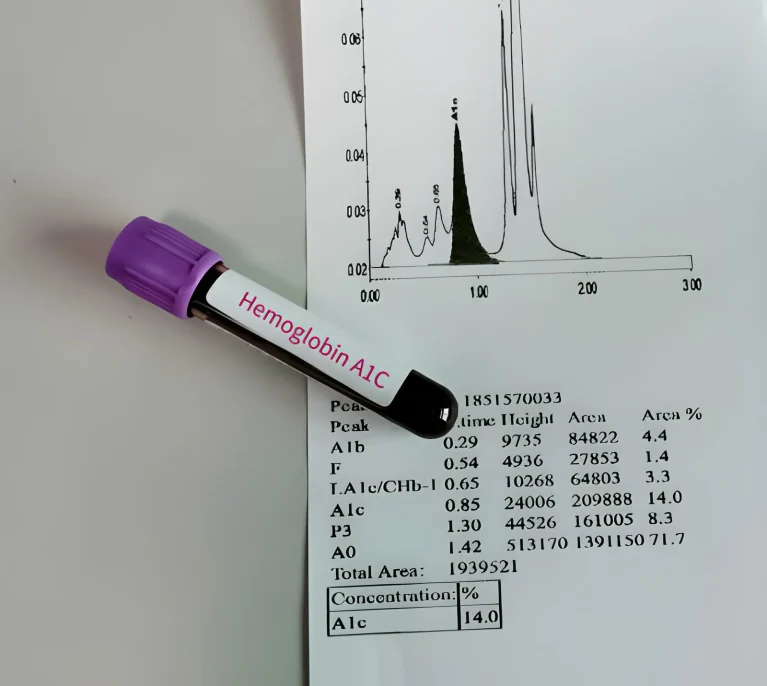
A1C is a blood test that shows your average blood sugar over the past two to three months. When sugar builds up in your blood, it sticks to hemoglobin, the protein in your red blood cells. Red blood cells live about three months, so the A1C test gives a long term picture of your blood sugar instead of a single moment in time.
An A1C below 5.7 percent is normal, 5.7 to 6.4 percent is prediabetes, and 6.5 percent or higher is diabetes. Most adults with diabetes aim for an A1C below 7 percent. Our guide on Normal A1C Level by Age explains how targets change for children, younger adults, and older adults with other health conditions.
A lower A1C protects your whole body. In the landmark UK Prospective Diabetes Study, every 1 point drop in A1C lowered the risk of eye, kidney, and nerve damage by about 37 percent. For people with prediabetes, lifestyle changes cut the risk of type 2 diabetes by 58 percent in the Diabetes Prevention Program. Small changes add up to real protection, and many of them help you lower your A1C naturally at home.
10 Proven Steps to Lower Your A1C Naturally
The steps below are backed by research and work best when you combine several of them. You do not need to do all ten at once. Start with two or three that fit your life, then add more as each one becomes a habit.
1. Cut Back on Sugar and Refined Carbs
Carbohydrates have the biggest effect on blood sugar. White bread, white rice, regular pasta, pastries, sweets, and sugary cereals turn into glucose quickly and cause sharp spikes after meals. Sugary drinks are the worst offenders, since a single 20 ounce soda contains about 65 grams of sugar. These swaps are often the fastest way to lower your A1C naturally.
Swap refined carbs for whole grains such as brown rice, oats, quinoa, and whole wheat bread. Choose fruit instead of desserts, and read labels for added sugar. The American Heart Association advises no more than 25 grams of added sugar a day for women and 36 grams for men. Your provider can help you set a daily carb goal.
2. Eat More Fiber
Fiber slows the way your body absorbs sugar, which keeps blood sugar steadier after meals. Soluble fiber, found in oats, beans, lentils, chia seeds, apples, and pears, works especially well. Studies show that a high fiber diet can lower A1C by about 0.3 to 0.5 points in people with diabetes. Most adults only eat about 15 grams a day.
Aim for 25 to 35 grams of fiber each day. Add beans to soups and salads, choose whole fruit instead of juice, and snack on nuts or vegetables. Increase fiber slowly over a few weeks and drink more water to avoid bloating. Our post on Best Foods for Diabetics lists high fiber foods that help keep blood sugar steady.
3. Fill Half Your Plate With Vegetables
The plate method is one of the simplest ways to control blood sugar without counting every carb. Fill half your plate with non starchy vegetables, such as broccoli, spinach, green beans, peppers, and salad greens. Fill one quarter with lean protein, such as chicken, fish, eggs, or tofu. Fill the last quarter with whole grains or starchy foods.
This method naturally cuts portions of high carb foods while keeping you full. Eat your vegetables and protein first, then your carbs. Research shows this simple order can lower blood sugar spikes after meals by up to 30 percent. Use a 9 inch plate instead of a large dinner plate to help keep portions in check.
4. Walk for 10 to 15 Minutes After Meals
A short walk after eating helps your muscles pull sugar out of your blood without needing as much insulin. Even 10 to 15 minutes of light walking after each meal can lower the blood sugar spike that follows. Research shows that walks after meals work better for blood sugar control than one longer walk at another time of day.
You do not need special equipment or a gym. Walk around your neighborhood, through a store, or around your home or office. If walking is hard, try marching in place, doing light chores, or using a stationary bike. Our guide on How to Lower Blood Sugar Level shares more quick steps for bringing down a high reading.
5. Exercise 150 Minutes a Week
Regular exercise makes your body more sensitive to insulin for up to 48 hours after each workout. Studies show that regular exercise lowers A1C by about 0.5 to 0.7 points, even without weight loss. Aim for at least 150 minutes of moderate activity each week, such as brisk walking, cycling, or swimming, spread over at least three days.
Add strength training two to three times a week, such as resistance bands, light weights, or bodyweight moves like squats and push ups. Muscle uses more glucose than fat, so more muscle means better blood sugar control. Try not to go more than two days in a row without activity, and check with your provider before you start a new routine.
6. Lose 5 to 10 Percent of Your Body Weight
Extra weight, especially belly fat, makes your body resist insulin. A weight loss of just 5 to 10 percent can lower A1C by about 0.5 to 1 point. For a 200 pound adult, that means losing 10 to 20 pounds. In some people with early type 2 diabetes, larger weight loss has even put diabetes into remission.
A safe pace is about 1 to 2 pounds per week. Our guide on How to Calculate BMI helps you find your starting point. If you need support, weight loss management in Cypress offers medically supervised plans with nutrition coaching and regular check ins built around your health needs.
7. Sleep Seven to Nine Hours a Night
Poor sleep raises stress hormones and makes your body less sensitive to insulin. Even a few nights of short sleep can raise blood sugar the next day. People who sleep less than six hours a night have a higher risk of type 2 diabetes and higher A1C levels. Sleep also affects hunger hormones and cravings for sugary foods.
Aim for seven to nine hours of sleep each night. Go to bed and wake up at the same time every day, keep your bedroom dark and cool, and avoid screens for an hour before bed. Loud snoring and daytime sleepiness can point to sleep apnea, which is common in people with diabetes and raises blood sugar.
8. Manage Stress
Stress releases cortisol and adrenaline, two hormones that raise blood sugar. Long term stress from work, money, or family problems can keep blood sugar high for weeks. Stress also makes it harder to sleep well, eat healthy meals, and stay active, which pushes A1C even higher over time. Nicotine makes this worse, since it raises insulin resistance.
Simple daily habits can lower stress. Try deep breathing for five minutes, a short walk outdoors, yoga, prayer, or meditation. Stay connected with friends and family, and set aside time for hobbies you enjoy. If stress, anxiety, or low mood feel hard to manage on your own, talk with your provider about support options.
9. Drink Water and Limit Alcohol
Water helps your kidneys flush extra sugar out through your urine. Dehydration makes blood sugar more concentrated and can raise your readings. Studies show that people who drink more water have a lower risk of high blood sugar. Replace soda, sweet tea, juice, and energy drinks with water, sparkling water, or unsweetened tea.
Alcohol can cause blood sugar to drop too low, especially if you take insulin or sulfonylureas, and many mixed drinks are high in sugar. If you drink, limit alcohol to one drink a day for women and two for men, and never drink on an empty stomach. Check your blood sugar before bed after drinking alcohol.
10. Check Your Blood Sugar at Home
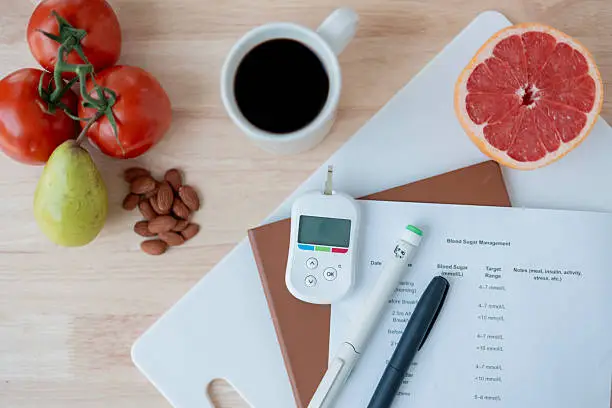
Regular blood sugar checks show how food, exercise, stress, and sleep affect your numbers. A home glucose meter gives a reading from a small drop of blood. Continuous glucose monitors, such as Dexcom and FreeStyle Libre, track your blood sugar every few minutes and show patterns that single checks miss. Many people lower their A1C faster once they see these patterns.
Write down your readings with notes about meals and activity, so you can see what works for you. Look for foods that cause big spikes, then adjust portions or swap them out. Our post on Normal Blood Sugar Levels by Age explains which daily numbers to aim for. Share your log with your provider at each visit to fine tune your plan.
Take The First Step
Your health and wellness goals deserve expert attention. Our board-certified team is here to listen, evaluate, and build a care plan tailored to your unique needs. Whether you’re exploring your options or ready to get started, the next step is simple.
How Much Can Each Option Lower Your A1C?
This chart compares how much natural steps and common diabetes medicines usually lower A1C, based on clinical research. Results vary from person to person, and many people combine lifestyle changes with medicine for the best results.
| Option | Typical A1C Drop | Best For |
|---|---|---|
| Regular exercise (150 minutes a week) | About 0.5 to 0.7 points | Everyone with prediabetes or diabetes |
| Weight loss of 5 to 10 percent | About 0.5 to 1 point | People with overweight or obesity |
| High fiber, lower carb diet | About 0.3 to 1 point | Everyone, especially after meal spikes |
| Metformin | About 1 to 1.5 points | First medicine for most people with type 2 diabetes |
| SGLT2 inhibitors (empagliflozin, dapagliflozin) | About 0.5 to 1 point | People with heart or kidney disease |
| Semaglutide (Ozempic) | About 1 to 1.8 points | People who also need weight loss |
| Tirzepatide | About 1.8 to 2.4 points | People who need large drops in A1C and weight |
When Natural Steps Are Not Enough?
Lifestyle changes work well, especially for prediabetes and early type 2 diabetes. However, many people still need medicine to reach a healthy A1C, and that is not a failure. Type 2 diabetes tends to progress over time as the pancreas makes less insulin. Doctors usually add medicine when A1C stays above 7 percent after three months of lifestyle changes.
Most people start with metformin, which lowers A1C by about 1 to 1.5 points. Injectable medicines such as semaglutide and tirzepatide lower A1C and support weight loss at the same time. Our post on Best Injection for Weight Loss compares these options. Your A1C is usually rechecked every three months until you reach your goal, then every six months.
At Prime Healthcare of Cypress, we check your A1C, explain each result in plain language, and build a plan that fits your daily life. Our chronic disease management in Cypress covers diabetes care, medication changes, and regular lab checks. A1C tests are part of annual physical exams in Cypress, and telemedicine in Cypress makes follow up visits easy from home.
Frequently Asked Questions
Take The First Step
Your health and wellness goals deserve expert attention. Our board-certified team is here to listen, evaluate, and build a care plan tailored to your unique needs. Whether you’re exploring your options or ready to get started, the next step is simple.