Normal Blood Sugar Levels by Age: Fasting and After Meals
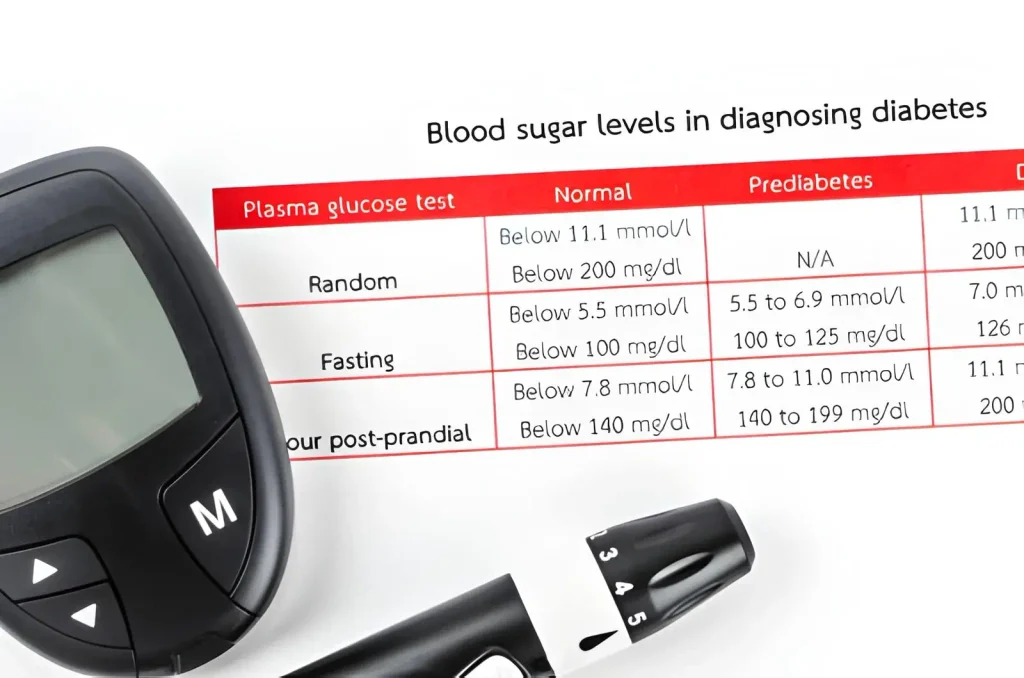
For adults and children without diabetes, normal fasting blood sugar is 70 to 99 mg/dL, and a normal level two hours after a meal is below 140 mg/dL. These healthy ranges stay about the same at every age. A fasting level of 100 to 125 mg/dL means prediabetes, and 126 mg/dL or higher on two tests means diabetes. Target ranges change for people who already have diabetes, for older adults with health problems, for children with type 1 diabetes, and during pregnancy. Most adults with diabetes aim for 80 to 130 mg/dL before meals and below 180 mg/dL one to two hours after eating.
What Is a Normal Blood Sugar Level?
Blood sugar, also called blood glucose, is the main source of energy for your cells. It comes from the food you eat, mostly carbohydrates such as bread, rice, fruit, and sweets. Your pancreas releases a hormone called insulin that moves glucose out of the blood and into your cells. When insulin works well, blood sugar stays in a narrow, healthy range all day.
In the United States, blood sugar is measured in milligrams per deciliter, written as mg/dL. Doctors use three main readings. A fasting blood sugar test is done after at least eight hours without food. Postprandial blood sugar is checked one to two hours after a meal. A random blood sugar test can be done at any time of day, with or without food in your system.
Normal levels matter because high blood sugar slowly damages blood vessels and nerves. Over time, that damage raises the risk of heart disease, stroke, kidney disease, vision loss, and nerve pain. About 38 million Americans have diabetes, and nearly 98 million adults have prediabetes. More than 8 in 10 people with prediabetes do not know they have it, which makes regular testing important.
Normal Blood Sugar Levels by Age
People without diabetes share the same healthy range at every age. Targets change for people with diabetes, based on age, health, and risk of low blood sugar.
1. Blood Sugar Levels for Adults Ages 18 to 59
For healthy adults, a normal fasting blood sugar is 70 to 99 mg/dL. After a meal, blood sugar usually peaks within one hour and returns below 140 mg/dL within two hours. Most people without diabetes rarely go above 140 mg/dL, even after a large meal. Your fasting level tends to rise slightly with age, but a healthy adult should stay below 100 mg/dL.
Adults with diabetes usually aim for 80 to 130 mg/dL before meals and below 180 mg/dL one to two hours after eating. Your doctor can set tighter or looser goals based on your health. If you notice frequent thirst, frequent urination, or blurry vision, our guide on Type 2 Diabetes Symptoms explains the early warning signs that often appear before diagnosis.
2. Blood Sugar Levels for Adults 60 and Older
Healthy older adults without diabetes have the same normal fasting range of 70 to 99 mg/dL. However, the risk of prediabetes and type 2 diabetes rises sharply with age. Nearly half of adults 65 and older have prediabetes. Muscle loss, less activity, weight gain, and some medicines make it harder for the body to use insulin as it once did.
For older adults with diabetes, the American Diabetes Association recommends goals based on overall health. Healthy older adults often aim for 80 to 130 mg/dL before meals. Older adults with several health problems or memory issues often use a looser goal of 90 to 150 mg/dL. These relaxed targets help lower the risk of low blood sugar, dizziness, and falls in later life.
3. Blood Sugar Levels for Children and Teens
Children and teens without diabetes have a normal fasting blood sugar of about 70 to 99 mg/dL, similar to adults. Newborns can run a little lower in the first few days of life. Normal blood sugar levels by age stay close for kids and adults. Kids can swing more after meals, sports, and growth spurts, but levels should return to the normal range within a few hours.
Children with type 1 diabetes usually aim for 90 to 130 mg/dL before meals and 90 to 150 mg/dL at bedtime, along with an A1C below 7 percent. Type 2 diabetes is also rising in children, mostly linked to extra weight. Our post on the well child visit schedule explains when doctors check weight, growth, and other health markers during routine checkups.
4. Blood Sugar Levels During Pregnancy
Pregnancy changes how the body uses insulin, especially in the second and third trimesters. Most women are screened for gestational diabetes between 24 and 28 weeks with a glucose challenge test. Gestational diabetes affects up to 10 percent of pregnancies in the United States. Women with obesity, a family history of diabetes, or a past large baby face a higher risk.
Pregnancy targets are tighter than regular adult goals. Women with diabetes during pregnancy usually aim for a fasting level below 95 mg/dL, below 140 mg/dL one hour after meals, or below 120 mg/dL two hours after meals. Good control protects both mother and baby and lowers the risk of a large baby, early delivery, and low blood sugar in the newborn after birth.
Take The First Step
Your health and wellness goals deserve expert attention. Our board-certified team is here to listen, evaluate, and build a care plan tailored to your unique needs. Whether you’re exploring your options or ready to get started, the next step is simple.
Blood Sugar Targets by Age and Health Status
This table compares normal and target blood sugar levels for different age groups, based on guidelines from the American Diabetes Association. All numbers are in mg/dL.
| Group | Fasting or Before Meals | After Meals | Bedtime |
|---|---|---|---|
| Adults without diabetes | 70 to 99 | Below 140 at 2 hours | No separate target |
| Children and teens without diabetes | 70 to 99 | Below 140 at 2 hours | No separate target |
| Children and teens with type 1 diabetes | 90 to 130 | Set by care team | 90 to 150 |
| Adults with diabetes | 80 to 130 | Below 180 at 1 to 2 hours | Set by care team |
| Healthy older adults with diabetes | 80 to 130 | Set by care team | 80 to 180 |
| Older adults with complex health needs | 90 to 150 | Set by care team | 100 to 180 |
| Pregnancy with diabetes | Below 95 | Below 140 at 1 hour or below 120 at 2 hours | Set by care team |
Fasting Blood Sugar: Normal, Prediabetes, and Diabetes Ranges
A fasting blood sugar test is the most common screening test for diabetes. A normal result is 70 to 99 mg/dL. A result of 100 to 125 mg/dL means prediabetes, also called impaired fasting glucose. A result of 126 mg/dL or higher on two separate tests means diabetes. You need at least eight hours without food or drinks other than water before the test.
Many people notice a higher reading in the early morning even before they eat. This is called the dawn phenomenon. Between about 3 and 8 a.m., your body releases cortisol and growth hormone, which raise blood sugar. In people without diabetes, insulin keeps this rise small. In people with diabetes, morning readings can run 10 to 30 points higher than bedtime readings.
This test works best alongside the A1C test, which shows your average blood sugar over about three months. An A1C below 5.7 percent is normal, 5.7 to 6.4 percent is prediabetes, and 6.5 percent or higher is diabetes. Our guide on Normal A1C Level by Age explains how to read that result by age.
Blood Sugar After Meals: What Is Normal?
Blood sugar after a meal, called postprandial glucose, rises as your body digests carbohydrates. In people without diabetes, it usually peaks between 30 and 60 minutes after eating, often around 120 to 140 mg/dL. It then returns below 140 mg/dL within two hours. A two hour reading of 140 to 199 mg/dL can point to prediabetes, even when your fasting level is normal.
Doctors use the oral glucose tolerance test to check how well your body handles sugar. You drink a solution with 75 grams of glucose, and your blood sugar is tested two hours later. A result below 140 mg/dL is normal, 140 to 199 mg/dL is prediabetes, and 200 mg/dL or higher is diabetes. This test is also used during pregnancy.
The type of food you eat has a big effect on your after meal numbers. White bread, sugary drinks, white rice, and sweets raise blood sugar quickly. Meals with protein, fiber, healthy fats, and vegetables cause a slower and smaller rise. Our post on Best Foods for Diabetics lists meal choices that help keep blood sugar steady after eating.
Low Blood Sugar: When Levels Drop Too Far
Low blood sugar, called hypoglycemia, is a reading below 70 mg/dL. A level below 54 mg/dL is considered serious and needs fast treatment. Low blood sugar is most common in people who take insulin or sulfonylureas such as glipizide. It can also happen after missed meals, drinking alcohol on an empty stomach, or exercising longer or harder than usual.
Signs of low blood sugar include shakiness, sweating, a fast heartbeat, hunger, irritability, dizziness, and confusion. Severe lows can cause seizures or loss of consciousness. Some people, especially older adults and those with long term diabetes, stop feeling early warning signs. This is called hypoglycemia unawareness, and it makes regular glucose checks even more important for safety at home and at work.
Treat a low with the 15 and 15 rule. Eat or drink 15 grams of fast acting sugar, such as four ounces of juice, regular soda, or four glucose tablets. Wait 15 minutes and recheck. Repeat if your level is still below 70 mg/dL. Call 911 if someone with low blood sugar passes out or cannot swallow safely, and never give food to an unconscious person.
When to Get Your Blood Sugar Checked?
The American Diabetes Association recommends diabetes screening for all adults starting at age 35, and every three years if results are normal. Earlier and more frequent testing is advised for people with extra weight, high blood pressure, high cholesterol, a family history of diabetes, PCOS, or a history of gestational diabetes. People with prediabetes usually need a recheck every year to track any change.
Get tested sooner if you have frequent thirst, frequent urination, blurry vision, slow healing cuts, tingling in your hands or feet, or tiredness that does not go away. High blood sugar and high blood pressure often appear together, and our post on normal blood pressure by age explains how to read your blood pressure results as well.
At Prime Healthcare of Cypress, we check your blood sugar, explain each result in plain language, and build a plan that fits your health. Our team can add fasting glucose and A1C tests during annual physical exams in Cypress. Our chronic disease management in Cypress covers diabetes care, and telemedicine in Cypress lets you review your glucose logs from home.
Frequently Asked Questions
Take The First Step
Your health and wellness goals deserve expert attention. Our board-certified team is here to listen, evaluate, and build a care plan tailored to your unique needs. Whether you’re exploring your options or ready to get started, the next step is simple.