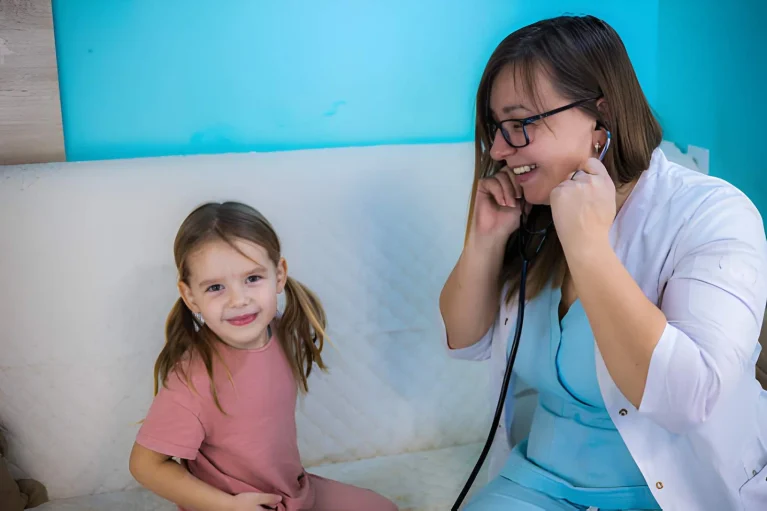
How to Prepare Your Child for a School Physical?
The best way to prepare your child for a school physical is to gather their medical records, update their immunization history, write down any health concerns, and talk to them about what to expect before the appointment. A school physical is a routine health evaluation, not something to stress over. Most children complete it in under 30 minutes with no discomfort beyond a few basic checks.
This guide walks parents through every preparation step so the appointment runs smoothly, the paperwork gets done right, and nothing important gets missed.
What a School Physical Actually Involves?
A school physical is a standard health evaluation required by most schools before a child can enroll or advance to a new grade. It covers growth measurements, vision and hearing checks, a basic physical assessment, immunization review, and a general health discussion between the provider and parent. Our resource on What Is a School Physical and Why Does Your Child Need One? covers the full scope of this exam and explains why schools require it in the first place.
The exam is not painful. There are no major procedures involved. The provider checks height, weight, blood pressure, heart and lung sounds, abdomen, skin, and reflexes. Vision and hearing are tested using simple charts and tones. The entire visit is designed to confirm that your child is healthy enough to attend school and to flag anything that might need follow-up before the school year begins.

How to Prepare Your Child for a School Physical? Step by Step
A smooth school physical appointment comes down to four things, the right paperwork, a clear health summary, a prepared child, and enough lead time before the school deadline. Each step below covers exactly what to do before the appointment so nothing gets missed.
Step 1: Gather All Medical Records and Documents
The most important preparation step is collecting the right paperwork before the appointment. Most schools provide a specific physical exam form that must be completed and signed by your child’s provider. Download or request this form from the school before scheduling the appointment, do not show up without it. Providers cannot fill out a form they have never seen, and many clinics will not complete school paperwork after the fact without an additional visit.
Alongside the school form, bring your child’s complete immunization records. The provider needs to review vaccination history and document which shots are current and which are overdue. If your child is missing vaccinations, they can often be administered at the same appointment. This saves a separate trip and ensures your child meets school immunization requirements before the first day.
Also bring a list of any current medications your child takes, including dosages and frequency. If your child has been seen by a specialist recently, bring those records too. The more complete the picture you give the provider, the more useful the visit becomes.
Step 2: Write Down Health Concerns Before the Appointment
A school physical appointment moves quickly. Parents who walk in without a prepared list of questions or concerns often forget to mention things that matter.
Before the appointment, sit down and think through your child’s health since their last checkup. Note any new symptoms, frequent headaches, stomachaches, trouble sleeping, changes in appetite, or behavioral shifts at school. Write down any concerns about vision, hearing, concentration, or physical development. If your child has complained of joint pain, fatigue, or recurring illness, this is the right appointment to raise those issues.
The provider has limited time during a school physical. A written list keeps the conversation focused and ensures nothing important gets left out before the form is signed and the appointment ends.
Step 3: Talk to Your Child About What to Expect
Children who know what to expect during a medical appointment are significantly calmer than those who walk in without any preparation. For younger children, keep the explanation simple and reassuring. Tell them the doctor will check how tall they are, listen to their heart, look in their eyes and ears, and ask a few questions. Let them know it will not hurt and that you will be there with them the whole time. Avoid using words like “shot” unless vaccinations are confirmed in advance, unnecessary anxiety over something that may not happen serves no one.
For older children and teenagers, a more detailed explanation works better. Explain that the provider may ask them questions directly about their health, activity level, diet, and sleep. Teen patients are often asked questions privately without a parent present, this is standard practice and gives adolescents a chance to discuss health concerns they may not raise in front of a parent. Prepare your teenager for this so it does not come as a surprise.
At Prime Healthcare of Cypress, TX, we offer Annual Physical Exams in Cypress and Pediatric Care in Cypress so families can complete all required health evaluations for the school year in one convenient location without coordinating multiple providers.
Step 4: Check Fasting and Timing Requirements
Most school physicals do not require fasting. However, if lab work is ordered alongside the physical, which happens when a provider identifies a concern during the exam, fasting for eight to twelve hours may be required for accurate blood glucose and cholesterol results.
Ask your provider when scheduling the appointment whether any lab work is anticipated. If your child is due for routine bloodwork as part of their preventive care, scheduling the school physical and lab draw together saves time and minimizes the number of clinic visits for the year.
Schedule the appointment with enough lead time before the school deadline. Most schools require physical exam forms to be submitted before the first day of classes or within the first week of enrollment. Waiting until the week before school starts creates scheduling pressure and leaves no time to address any follow-up referrals the provider might recommend.
Take The First Step
Expert aesthetic and medical care is just a click away. You deserve to look and feel your absolute best. We specialize in advanced treatments like Sculptra and Lipodissolve to help you achieve your desired results. Partner with our specialists to create a personalized care plan.
School Physical vs. Other Exam Types: What Parents Should Know
A school physical is one of several exam types that children and families encounter throughout the year. Understanding how each one differs prevents confusion and avoids the common mistake of using one exam to substitute for another.
| Exam Type | Purpose | Replaces School Physical? |
|---|---|---|
| School Physical | Confirms health for school enrollment | N/A |
| Annual Physical Exam | Full preventive health evaluation | No |
| Sports Physical | Athletic clearance for organized sports | No |
| Work Physical | Employment fitness evaluation | No |
| DOT Physical | Commercial driving certification | No |
The Annual Physical Exam is the most comprehensive of all exam types and the one that covers everything a school physical evaluates plus significantly more, including lab work, cancer screenings, vaccination updates, and mental health screening. The Annual Physical Exam Checklist details every component your provider reviews during that visit. A school physical does not replace annual preventive care and should not be treated as a substitute.
For families with student athletes, What Is a Sports Physical explains the pre-participation evaluation process and what it covers beyond what a school physical includes. Types of Physical Exams covers every major exam type in one place and is the right starting point for parents navigating multiple health requirements at the start of a new school year.
What to Do After the School Physical?
Review the completed school form before submitting it. Confirm that all required fields are filled out, the provider’s signature and license number are included, and any immunization documentation is attached. Missing information on a school physical form is one of the most common reasons families are asked to return for a second visit, a problem that a quick review at the clinic prevents entirely.
If the provider identified any concerns during the exam, a heart murmur worth monitoring, a vision concern worth evaluating, or a developmental question worth discussing with a specialist, follow up on those referrals promptly. A school physical is a screening tool. It identifies areas that need attention. Acting on those findings is the parent’s responsibility after the appointment ends.
For adult patients in the family navigating their own health requirements, DOT Physical Exam cover the exam types relevant to employment and commercial driving that follow a similar preparation and documentation process to what families go through for school physicals.
FAQs
Take The First Step
Expert aesthetic and medical care is just a click away. You deserve to look and feel your absolute best. We specialize in advanced treatments like Sculptra and Lipodissolve to help you achieve your desired results. Partner with our specialists to create a personalized care plan.