Perimenopause vs Menopause: Symptoms and Differences
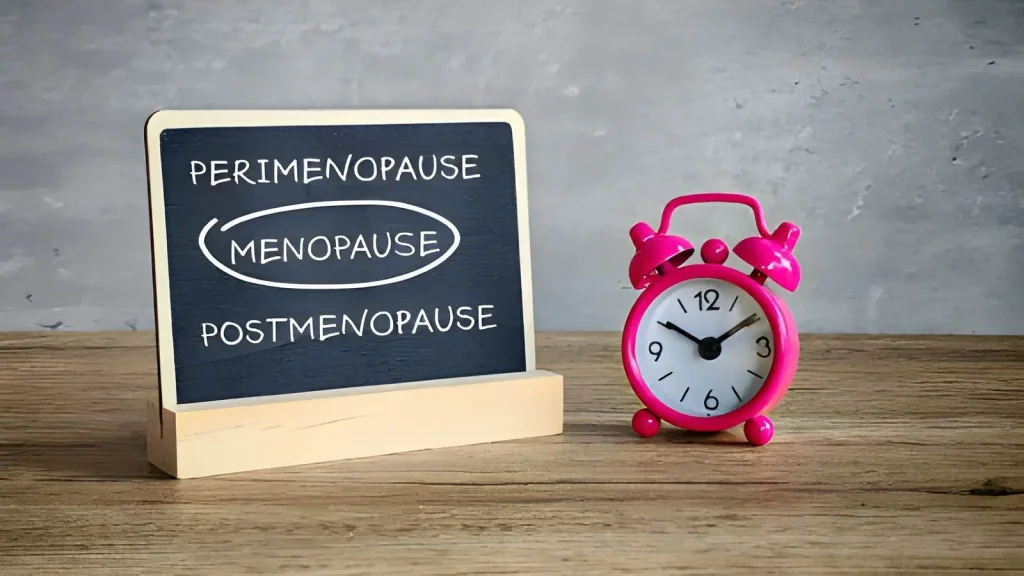
Perimenopause and menopause are two different stages of the same hormonal transition, and most women confuse them. Perimenopause is the years-long transition period leading up to menopause when estrogen and progesterone levels begin to fluctuate unpredictably. Menopause is the point when a woman has gone 12 consecutive months without a menstrual period. After that 12-month mark, a woman is considered postmenopausal. Understanding where you are in this transition matters because the symptoms, hormonal changes, and treatment options differ at each stage.
This guide breaks down the key differences between perimenopause and menopause so you know what to expect and when to seek support.
What Is Perimenopause?
Perimenopause is the transitional phase that leads up to menopause, and it can last anywhere from two to ten years. During perimenopause, the ovaries gradually produce less estrogen and progesterone. This decline is not steady or predictable. Hormone levels rise and fall irregularly, which is what causes the wide range of symptoms women experience during this phase. Periods may become irregular, longer, shorter, heavier, or lighter. Some months may be skipped entirely.
This unpredictability is one of the defining features of perimenopause and one of the reasons many women do not realize they have entered this stage.
Perimenopause typically begins in a woman’s mid-40s, though it can start as early as the late 30s. Age alone is not a reliable indicator. The hormonal shifts happening beneath the surface are what drive the transition, and those shifts affect far more than the menstrual cycle.
What Is Menopause?
Menopause is not a process, it is a single point in time defined by 12 consecutive months without a menstrual period. Once a woman reaches that 12-month milestone, she is officially in menopause. The average age of menopause in the United States is 51, though the normal range spans from 45 to 55.
Menopause that occurs before age 40 is called premature menopause and is associated with different health considerations than natural menopause at the expected age.
After menopause, estrogen and progesterone levels stabilize at a consistently low level rather than fluctuating the way they do during perimenopause. Many women find that some symptoms, particularly the intense mood swings and irregular bleeding of perimenopause, settle after menopause. Others find that symptoms like hot flashes, sleep disruption, and vaginal dryness persist or worsen in the postmenopausal years.
Take The First Step
Expert aesthetic and medical care is just a click away. You deserve to look and feel your absolute best. We specialize in advanced treatments like Sculptra and Lipodissolve to help you achieve your desired results. Partner with our specialists to create a personalized care plan.
Perimenopause vs Menopause: Symptoms Compared
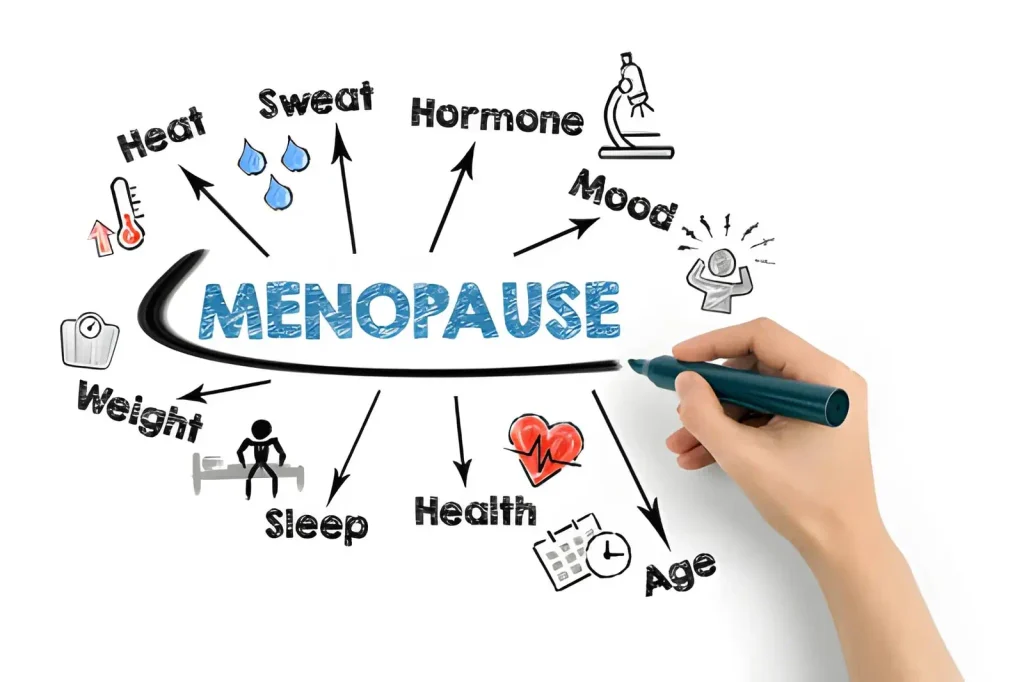
Perimenopause symptoms are driven by hormonal fluctuation. Because estrogen rises and falls unpredictably during this phase, symptoms tend to be variable and inconsistent from week to week. Hot flashes may appear one month and disappear the next. Mood changes, brain fog, sleep disruption, and changes in libido are all common during perimenopause and are directly tied to the instability of hormone levels rather than their absolute decline.
Menopause and postmenopause symptoms are driven by consistently low estrogen rather than fluctuation. Hot flashes often continue but may become more predictable in their pattern. Vaginal dryness, urinary changes, bone density loss, and cardiovascular risk increase as the body adjusts to operating with permanently lower estrogen levels. The distinction matters clinically because treatment approaches differ depending on the stage.
| Symptom | Perimenopause | Menopause and After |
|---|---|---|
| Irregular periods | Yes, common | No periods at all |
| Hot flashes | Yes, variable | Yes, often continues |
| Night sweats | Yes | Yes |
| Mood changes | Common, often intense | Can continue but may stabilize |
| Brain fog | Common | Common |
| Sleep disruption | Common | Common |
| Vaginal dryness | Can begin | Often worsens |
| Bone density loss | Begins gradually | Accelerates significantly |
| Cardiovascular risk | Begins to rise | Increases further |
| Libido changes | Common | Common |
Hormonal Changes Behind Each Stage
Understanding the hormonal mechanics of each stage helps explain why symptoms feel so different during perimenopause compared to after menopause. During perimenopause, estrogen does not simply decline in a straight line. It fluctuates, sometimes spiking higher than normal before dropping. This erratic pattern is what causes the unpredictable emotional and physical symptoms that many women find more disruptive than menopause itself. Progesterone declines more steadily during this phase, and because progesterone has a calming effect on the nervous system, its loss contributes to anxiety, sleep problems, and mood instability independent of estrogen changes.
After menopause, estrogen and progesterone settle at their new low baseline. The body adapts over time to functioning with less of both hormones, though the long-term effects on bone density, cardiovascular health, and cognitive function continue to develop in the postmenopausal years. This is why postmenopausal health requires ongoing attention rather than a one-time adjustment.
Women experiencing significant hormonal symptoms at either stage sometimes find that supporting their overall health with targeted nutrition and supplementation helps manage the transition. IV Vitamin Therapy delivers nutrients like magnesium, B vitamins, and vitamin C directly into the bloodstream, which some women use to support energy levels, reduce fatigue, and manage the physical demands of hormonal transition during perimenopause.
How Perimenopause and Menopause Affect Skin and Appearance?
The drop in estrogen during perimenopause and menopause directly affects skin quality, facial volume, and overall appearance. Estrogen plays a central role in collagen production. As estrogen declines, collagen production slows and skin loses thickness, elasticity, and hydration. Fine lines deepen, facial volume decreases, and skin texture becomes drier and less resilient. These changes often accelerate noticeably in the first few years after menopause when estrogen levels reach their lowest point.
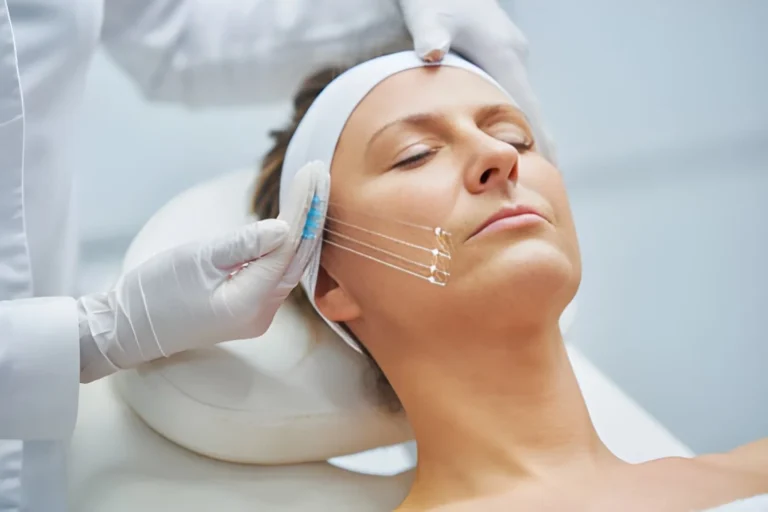
Many women in perimenopause and menopause explore non-surgical cosmetic treatments to address these changes alongside their hormonal care. Dermal fillers in Cypress restore lost facial volume in areas like the cheeks, jawline, and under-eyes that are particularly affected by collagen loss during hormonal transition. For women interested in longer-term collagen restoration rather than immediate volume correction, Sculptra in Cypress stimulates the body’s own collagen production gradually over several months, addressing the root cause of skin thinning rather than simply replacing lost volume.
Skin care during menopause benefits from both internal hormonal support and external aesthetic treatments working together rather than in isolation.
When to See a Doctor About Perimenopause or Menopause Symptoms
Not every symptom requires medical intervention, but several warrant a prompt clinical evaluation. Heavy or prolonged bleeding during perimenopause should always be evaluated to rule out uterine fibroids, polyps, or other conditions that can cause abnormal bleeding independent of hormonal transition. Symptoms that significantly affect sleep, mood, work performance, or relationships are appropriate to discuss with a provider rather than managing on your own. Bone health, cardiovascular risk, and mental health all require monitoring during and after menopause, not just symptom management.
At Prime Healthcare of Cypress, we offer comprehensive Women’s Health Care in Cypress, Chronic Disease Management in Cypress, Mental Health Care in Cypress, and Telemedicine in Cypress to help women navigate perimenopause and menopause with the right clinical support, targeted treatment, and ongoing monitoring at every stage of the transition.
Women who are unsure whether their symptoms reflect perimenopause, menopause, or another hormonal condition benefit most from a complete hormonal panel that measures estrogen, progesterone, FSH, LH, and thyroid function alongside a full health assessment. Symptoms alone are not sufficient for accurate staging or treatment planning.
Managing Symptoms at Each Stage
The most effective management approach depends on which stage you are in and what your specific symptom profile looks like. During perimenopause, the goal is managing the unpredictability of fluctuating hormones. Lifestyle measures including regular exercise, stress reduction, consistent sleep routines, and reduced alcohol intake reduce symptom severity for many women without medication. For women with more significant symptoms, low dose hormonal support or targeted supplementation may be appropriate alongside lifestyle changes.
After menopause, management shifts toward addressing the long-term consequences of sustained low estrogen, including bone density preservation, cardiovascular health, and urogenital changes. Hormone replacement therapy is the most effective medical intervention for managing postmenopausal symptoms and reducing long-term health risks in appropriate candidates, though it requires a full clinical evaluation before it is recommended.
Women managing weight changes connected to hormonal transition may also benefit from medical weight loss support. Estrogen decline during menopause shifts fat distribution toward the abdomen, increases insulin resistance, and slows metabolism in ways that make weight management significantly more difficult without clinical support.
FAQs
Take The First Step
Expert aesthetic and medical care is just a click away. You deserve to look and feel your absolute best. We specialize in advanced treatments like Sculptra and Lipodissolve to help you achieve your desired results. Partner with our specialists to create a personalized care plan.