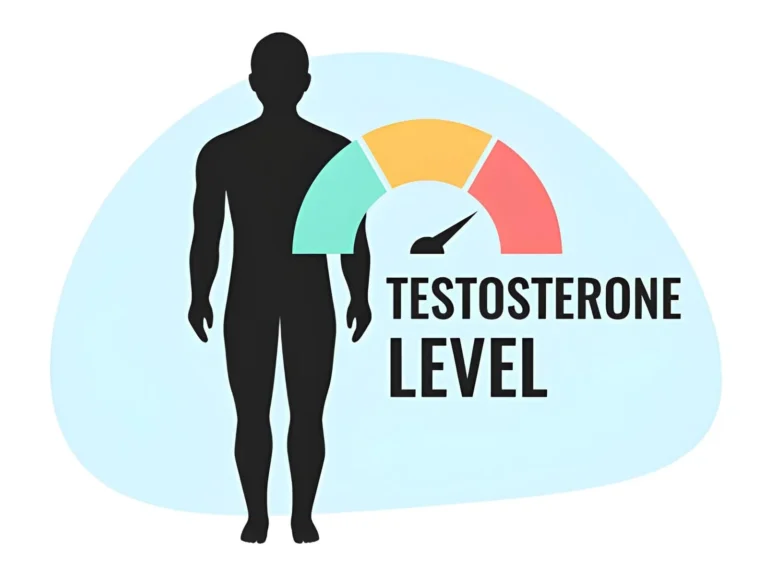
What Causes Low Testosterone in Men? Complete Guide
Causes of low testosterone in men includes natural aging, obesity, chronic stress, poor sleep, certain medications, and underlying medical conditions. Age is the primary factor, with testosterone declining about 1% per year after age 30. Lifestyle factors like excess weight, lack of exercise, and poor diet accelerate this decline. Medical conditions such as diabetes, sleep apnea, and thyroid disorders directly suppress testosterone production. Medications including opioids, steroids, and some antidepressants can lower levels significantly.
Environmental toxins, chronic stress, and nutritional deficiencies also contribute to declining hormone levels. Understanding these causes helps men identify controllable factors and seek appropriate treatment for hormonal imbalance.
How Aging Naturally Lowers Testosterone Production?
Natural aging represents the most common and unavoidable cause of declining testosterone levels in all men over time. Testosterone production peaks during the late teens and early twenties, then begins a gradual decline around age 30. This decrease happens because the testicles slowly lose their ability to produce hormones efficiently over time. The brain signals that control testosterone production also become less effective with age, creating a compound effect on hormone levels.
Our blog on Normal Testosterone Levels by Age shows how this decline progresses differently for each man, but the average rate is approximately 1% per year after age 30. Some men maintain higher levels well into their 60s and 70s, while others experience more rapid declines in their 40s and 50s.
The aging process also affects other systems that support testosterone production. Blood flow to the testicles decreases over time, and the cells responsible for making testosterone become less responsive to signals from the brain. Our resource on What is Testosterone explains how this hormone system works and why age impacts it so significantly.
Poor Lifestyle Habits That Destroy Testosterone
Daily habits and lifestyle choices can dramatically accelerate testosterone decline beyond what aging alone would cause.
1. Obesity and Excess Body Fat Distribution
Carrying extra weight, especially around the midsection, creates a cycle where low testosterone leads to more weight gain, and excess weight further lowers testosterone. Fat cells contain an enzyme called aromatase that converts testosterone into estrogen, reducing available testosterone in your bloodstream. Every 10 pounds of excess weight can decrease testosterone by 30 to 50 ng/dL.
Belly fat is particularly problematic because it produces inflammatory compounds that interfere with hormone production. Men with a waist circumference over 40 inches face significantly higher risks of low testosterone compared to men with smaller waist measurements.
2. Chronic Stress and Elevated Cortisol Levels
Long term stress elevates cortisol levels, which directly suppresses testosterone production in your testicles. Work pressure, financial problems, relationship conflicts, and other ongoing stressors keep cortisol chronically elevated. High cortisol levels signal your body to prioritize survival over reproduction, shutting down non-essential hormone production.
Stress also disrupts sleep patterns, which further compounds the testosterone problem. Our blog on Low Testosterone vs Depression explores how stress, mood, and hormone levels create interconnected cycles that affect both physical and mental health.
3. Poor Sleep Quality and Sleep Disorders
Sleep quality has a direct impact on testosterone production because most hormone synthesis happens during deep sleep cycles. Men who consistently sleep less than six hours per night can experience testosterone drops of 10 to 15% within one week.
Sleep disorders prevent your body from completing the deep sleep phases necessary for hormone production. Even if you spend eight hours in bed, poor quality sleep with frequent waking disrupts the testosterone production cycle. Low Testosterone Symptoms often include sleep problems, creating a cycle where poor sleep worsens hormone levels.
Take The First Step
Expert aesthetic and medical care is just a click away. You deserve to look and feel your absolute best. We specialize in advanced treatments like Sculptra and Lipodissolve to help you achieve your desired results. Partner with our specialists to create a personalized care plan.
Medical Conditions That Suppress Testosterone Production
Certain health conditions directly interfere with testosterone production or increase the rate of hormone breakdown in your body.
1. Diabetes and Metabolic Syndrome Effects
Type 2 diabetes damages the blood vessels and nerves that support testicle function, reducing testosterone production capacity. High blood sugar levels also increase inflammation throughout your body, which interferes with hormone synthesis.
Metabolic syndrome, which includes high blood pressure, elevated blood sugar, and abdominal obesity, creates multiple pathways for testosterone suppression. The condition affects approximately 25% of American men and significantly increases the risk of hormone deficiency.
2. Thyroid and Hormone Disorders
An underactive thyroid gland slows down your entire metabolism, including testosterone production. Thyroid hormones help regulate the enzymes needed to make testosterone, so thyroid problems often lead to hormone deficiencies. Thyroid disorders also affect the proteins that transport testosterone through your bloodstream, reducing the amount of active hormone available to your tissues.
At Prime Healthcare of Cypress, TX, we address complex hormone interactions through comprehensive Men’s Health evaluations in Cypress, Physical Exams in Cypress that include hormone testing, and Chronic Disease Management in Cypress for conditions that affect testosterone production.
3. Kidney and Liver Disease Impact
Your liver processes and eliminates hormones from your bloodstream, so liver disease can disrupt this balance and lead to hormone accumulation or deficiency. Kidney disease affects the production of proteins that transport testosterone and can directly impact hormone levels through multiple mechanisms.
Both conditions often require medications that further suppress testosterone production, creating compound effects on hormone levels. Chronic kidney disease patients frequently develop low testosterone as their condition progresses.
Prescription Medications That Lower Testosterone
Certain prescription medications and medical treatments can significantly reduce testosterone levels as unintended side effects.
1. Opioid Pain Medications and Hormone Suppression
Long term use of opioid pain relievers is one of the most potent suppressors of testosterone production. These medications directly inhibit the brain signals that control hormone production, often reducing testosterone to extremely low levels.
The testosterone suppression from opioids can persist for months after stopping the medication, and some men require hormone replacement therapy to recover normal levels. Men taking opioids for chronic pain should have regular hormone monitoring.
2. Steroids and Anti-Inflammatory Drug Effects
Corticosteroid medications used to treat inflammation and autoimmune conditions suppress testosterone production through effects on the adrenal glands and testicles. Even short courses of steroids can temporarily lower hormone levels, while long term use often causes persistent suppression.
Some antidepressants, particularly those affecting serotonin levels, can reduce testosterone production and affect sexual function. Testosterone Replacement Therapy may be considered for men whose medications cause severe hormone suppression.
Hidden Environmental Causes of Low Testosterone
External factors including diet, toxin exposure, and nutrient deficiencies contribute to declining testosterone levels in modern men.
1. Environmental Toxin Exposure and Endocrine Disruption
Chemicals in plastics, pesticides, and industrial compounds can act as endocrine disruptors that interfere with hormone production. Bisphenol A (BPA) from plastic containers and phthalates from personal care products have been linked to lower testosterone levels in research studies.
Occupational exposures in manufacturing, agriculture, and other industries may contribute to hormone disruption over time. Men working in these fields often have higher rates of low testosterone compared to those in office environments.
2. Nutritional Deficiencies and Poor Diet
Zinc deficiency is strongly associated with low testosterone because this mineral is essential for hormone production. Vitamin D deficiency also correlates with lower testosterone levels, possibly because vitamin D receptors are present in testicle tissue.
Extreme calorie restriction or very low fat diets can suppress testosterone production because your body needs adequate calories and fats to make hormones. Our resource on Ways to Increase Testosterone Levels Naturally covers dietary approaches that support healthy hormone levels.
Comparing Causes and Their Impact on Testosterone
Understanding which factors have the strongest effects helps prioritize treatment approaches for hormone optimization.
| Cause Category | Severity of Impact | Reversibility | Timeline for Change |
|---|---|---|---|
| Natural Aging | Moderate | Partially | Permanent decline |
| Obesity | High | Yes | 3-6 months with weight loss |
| Sleep Apnea | High | Yes | 2-8 weeks with treatment |
| Chronic Stress | Moderate | Yes | 4-12 weeks with management |
| Opioid Medications | Very High | Partially | 3-12 months after stopping |
| Diabetes | Moderate | Partially | 3-6 months with control |
| Thyroid Disease | Moderate | Yes | 2-6 weeks with treatment |
This comparison helps men understand which causes they can control and which require medical intervention for improvement.
When to Seek Medical Evaluation for Low Testosterone?
Certain situations warrant professional assessment to identify the specific causes affecting your testosterone levels.
Multiple risk factors occurring together increase the likelihood of developing clinically significant low testosterone. Men with diabetes, obesity, and sleep problems face particularly high risks that often require medical intervention. Weight Loss programs and Mental Health Care in Cypress can address some contributing factors alongside hormone treatment.
Blood testing can identify specific causes and guide appropriate treatment decisions. Telemedicine consultations in Cypress may be available for follow up care and treatment monitoring between in-person visits.
Take The First Step
Expert aesthetic and medical care is just a click away. You deserve to look and feel your absolute best. We specialize in advanced treatments like Sculptra and Lipodissolve to help you achieve your desired results. Partner with our specialists to create a personalized care plan.