Erectile Dysfunction Causes: What You Need to Know
Erectile dysfunction causes include physical factors like cardiovascular disease, diabetes, and low testosterone, psychological factors such as stress and anxiety, and lifestyle issues including smoking and obesity. Blood flow problems represent the most common physical cause, affecting arteries that supply blood to the penis. Hormonal imbalances, particularly low testosterone, contribute significantly to erectile problems in men over 40. Psychological causes include depression, performance anxiety, and relationship stress. Medications like antidepressants and blood pressure drugs can also cause erectile dysfunction.
Age increases risk due to declining hormone levels and increased health problems. Understanding these causes helps men seek appropriate treatment and make lifestyle changes to improve sexual function.
What Is Erectile Dysfunction?
Erectile dysfunction is the inability to achieve or maintain an erection firm enough for satisfactory sexual intercourse on a consistent basis. Occasional difficulty with erections is normal and affects most men at some point in their lives due to stress, fatigue, or alcohol consumption. However, erectile dysfunction becomes a medical concern when problems occur regularly for several weeks or months and interfere with sexual relationships and quality of life.
The condition affects approximately 30 million American men and becomes more common with age. About 40% of men experience some degree of erectile dysfunction by age 40, with rates increasing to 70% by age 70. Early Signs of Erectile Dysfunction often develop gradually and may be dismissed as temporary stress-related issues before becoming persistent problems requiring medical attention.
Normal erections require coordinated function of the nervous system, blood vessels, hormones, and psychological factors. Problems with any of these systems can result in erectile dysfunction, which explains why the condition has so many different potential causes and treatment approaches.

Common Erectile Dysfunction Causes
Understanding the specific factors that contribute to erectile dysfunction helps men identify potential causes and seek appropriate treatment for their individual situation.
1. Cardiovascular Disease and Heart Problems
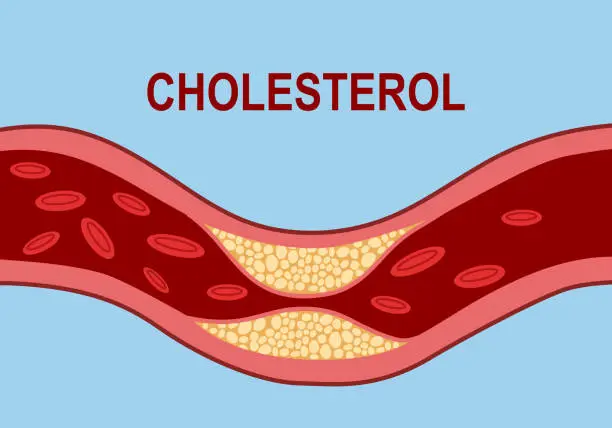
Heart disease represents the leading cause of erectile dysfunction in men over 40 because erections require adequate blood flow through healthy arteries. Atherosclerosis, which involves hardening and narrowing of arteries, reduces blood flow to the penis and makes achieving firm erections difficult. Men with heart disease often experience erectile problems 3 to 5 years before heart symptoms develop.
Coronary artery disease, heart attack history, and irregular heart rhythms all increase erectile dysfunction risk. The same risk factors that damage heart arteries also affect blood vessels supplying the penis. Many cardiologists now recognize erectile dysfunction as an early warning sign of cardiovascular disease requiring immediate attention.
2. Diabetes and Blood Sugar Problems
Diabetes significantly increases erectile dysfunction risk by damaging blood vessels and nerves essential for normal sexual function. Men with diabetes develop erectile problems 10 to 15 years earlier than men without diabetes, and up to 75% of diabetic men experience some degree of erectile dysfunction.
High blood sugar levels damage the small blood vessels and nerves in the penis, making erections weaker and less reliable. Poor diabetes control accelerates this damage and makes treatment more challenging. Men with well-controlled diabetes often maintain better sexual function longer than those with uncontrolled blood sugar levels.
3. Low Testosterone Levels
Low testosterone contributes to erectile dysfunction by affecting sexual desire, arousal, and the physical mechanisms needed for erections. Our blog on What is Testosterone explains how this hormone influences multiple aspects of male sexual function throughout life. Testosterone levels naturally decline with age but can drop significantly due to various medical conditions.
Low Testosterone symptoms include reduced sex drive, difficulty achieving erections, and decreased sexual satisfaction. Causes of Low Testosterone in Men range from aging and obesity to chronic diseases and medications.
4. High Blood Pressure and Hypertension
High blood pressure damages blood vessels throughout the body and reduces blood flow needed for erections. The condition affects approximately 45% of American men and significantly increases erectile dysfunction risk. Both the condition itself and medications used to treat it can interfere with sexual function.
Uncontrolled high blood pressure causes progressive damage to penile blood vessels, making erections weaker over time. While blood pressure medications are essential for cardiovascular health, some types affect erectile function more than others. Men should discuss sexual side effects with their doctors to find the most appropriate treatment approach.
5. Obesity and Excess Body Weight
Obesity contributes to erectile dysfunction through multiple pathways including reduced testosterone levels, poor blood circulation, and increased diabetes risk. Excess weight also affects self-confidence and contributes to performance anxiety that can worsen erectile problems.
Men with a body mass index over 30 have significantly higher rates of erectile dysfunction compared to men with healthy weights. Weight Loss programs can dramatically improve erectile function in overweight men by addressing multiple contributing factors simultaneously. Even modest weight loss often produces noticeable improvements in sexual function.
6. Smoking and Tobacco Use
Smoking damages blood vessels throughout the body and significantly impairs blood flow to the penis. The chemicals in cigarettes interfere with the relaxation of penile muscles needed for adequate blood flow during sexual arousal. Smoking also reduces nitric oxide production, which is essential for normal erectile function.
Men who smoke are twice as likely to develop erectile dysfunction compared to non-smokers. The good news is that quitting smoking often leads to improvement in erectile function within 2 to 12 weeks. The earlier men quit, the more likely they are to recover normal sexual function.
7. Excessive Alcohol Consumption
Alcohol affects erectile function through both immediate and long-term mechanisms. Acute alcohol consumption acts as a nervous system depressant that interferes with arousal signals from the brain to the penis. Chronic heavy drinking damages blood vessels, reduces testosterone production, and causes liver problems that affect hormone metabolism.
Moderate alcohol consumption may not significantly impact sexual function, but regular heavy drinking often leads to persistent erectile difficulties. Men who reduce alcohol intake to moderate levels often see improvements in sexual performance and overall health.
8. Stress and Performance Anxiety
Psychological stress interferes with the brain signals needed for sexual arousal and erection. Work pressure, financial problems, and relationship conflicts all contribute to chronic stress that can cause or worsen erectile dysfunction. Performance anxiety creates a particularly problematic cycle where worry about sexual performance actually causes the erectile problems that fuel more anxiety.
Stress affects erectile function by increasing cortisol levels that interfere with testosterone production and blood flow. Men experiencing chronic stress often benefit from stress management techniques, counseling, and lifestyle modifications that address underlying stressors.
9. Depression and Mental Health Issues
Depression significantly increases erectile dysfunction risk through both psychological and biological mechanisms. Depressed men often lose interest in sex and have difficulty becoming aroused, while depression also affects brain chemistry needed for normal sexual function. Our resource on Low Testosterone vs Depression explores how these conditions can overlap and worsen each other.
At Prime Healthcare of Cypress, we provide comprehensive Men’s Health evaluations in Cypress, Mental Health Care in Cypress, and Physical Exams in Cypress to address both physical and psychological factors contributing to erectile dysfunction.
10. Medications and Drug Side Effects
Many commonly prescribed medications can cause erectile dysfunction as an unintended side effect. Blood pressure medications, antidepressants, antihistamines, prostate medications, and acid reflux drugs all potentially affect sexual function. Men taking multiple medications face higher risks due to drug interactions.
The challenge is that many of these medications treat important health conditions that cannot be stopped safely. Working with healthcare providers to adjust doses, switch medications, or time doses differently can often reduce sexual side effects while maintaining treatment effectiveness.
11. Nerve Damage and Neurological Conditions
Nerve damage prevents proper communication between the brain and penis during sexual arousal. Spinal cord injuries, multiple sclerosis, stroke, and peripheral neuropathy can all cause erectile dysfunction by interrupting nerve signals needed for normal sexual function.
Prostate surgery and radiation treatment commonly damage nerves responsible for erections, though newer surgical techniques have reduced this risk. Diabetic neuropathy affects the small nerves in the penis and reduces both sensation and erectile function over time.
12. Age-Related Hormonal Changes
Age increases erectile dysfunction risk through multiple biological changes that accumulate over time. Natural testosterone decline begins around age 30 and accelerates after 40, contributing to gradual changes in sexual function. Blood vessel health typically deteriorates with age, reducing blood flow needed for firm erections.
However, age alone does not make erectile dysfunction inevitable. Many older men maintain good sexual function through healthy lifestyle choices, regular medical care, and appropriate treatment when problems develop.
Take The First Step
Expert aesthetic and medical care is just a click away. You deserve to look and feel your absolute best. We specialize in advanced treatments like Sculptra and Lipodissolve to help you achieve your desired results. Partner with our specialists to create a personalized care plan.
Treatment Options for Erectile Dysfunction in Cypress
Modern treatment addresses multiple erectile dysfunction causes through various approaches tailored to individual needs and health status.
| Treatment Type | Success Rate | Best For | Duration |
|---|---|---|---|
| Oral Medications | 70-85% | Most men | 4-6 hours |
| Testosterone Therapy | 60-75% | Low testosterone | Ongoing |
| Lifestyle Changes | 40-60% | Mild to moderate cases | Permanent |
| Shockwave Therapy | 60-80% | Blood flow issues | 6-12 months |
Oral medications like Viagra, Cialis, and Levitra improve blood flow to the penis and work regardless of the underlying cause. Penile Shockwave Therapy represents a newer treatment that uses sound waves to improve blood flow and stimulate tissue regeneration.
Testosterone Replacement Therapy in Cypress may be appropriate for men with documented hormone deficiency. Comprehensive treatment approaches that address multiple causes typically produce the best long-term results.
FAQs
Take The First Step
Expert aesthetic and medical care is just a click away. You deserve to look and feel your absolute best. We specialize in advanced treatments like Sculptra and Lipodissolve to help you achieve your desired results. Partner with our specialists to create a personalized care plan.