What Is Chronic Disease Management and How It Works?
Chronic disease management is a structured, long-term approach to caring for health conditions that do not go away on their own. Conditions like diabetes, high blood pressure, heart disease, and asthma require consistent monitoring, treatment adjustments, and lifestyle support over time. Unlike a one-time doctor visit for an illness, chronic disease management is an ongoing process built around your personal health goals. It helps you stay stable, avoid complications, and live a fuller life despite a long-term diagnosis.
If you or someone you love has been diagnosed with a chronic condition, understanding how this care model works is the first step toward better health.
What Does Chronic Disease Management Actually Mean?
Chronic disease management is not just about taking medication. It is a coordinated care approach that combines regular monitoring, patient education, lifestyle guidance, and treatment planning to keep a condition under control over months and years.
A chronic condition is any health problem that lasts 12 months or longer and requires ongoing medical attention or limits daily activities. To understand what falls under this category, our resource on Types of Chronic Health Conditions breaks down the full spectrum of long-term diagnoses and how each one affects the body differently.
The goal of management is not always a cure. For most chronic conditions, the goal is control, reducing symptoms, preventing complications, and slowing progression.
How Chronic Disease Management Works?
A well-structured chronic disease management plan typically involves four core components: regular provider visits, ongoing monitoring, personalized treatment, and patient self-management support.
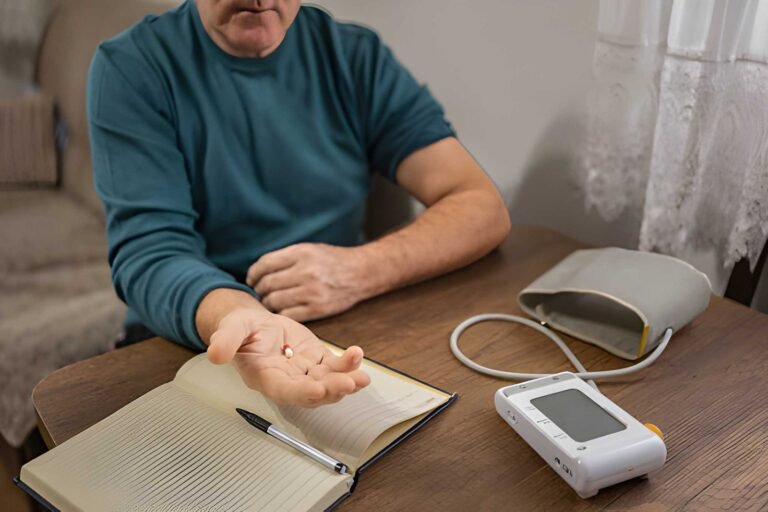
Your care team tracks key health markers over time. For a diabetic patient, that means blood sugar levels. For someone with high blood pressure, it means regular blood pressure readings and medication reviews. These check-ins allow your doctor to spot changes early and adjust your plan before a small issue becomes a serious one.
Preventive care visits and routine health screenings play a central role here. Many complications from chronic conditions are preventable when caught early through consistent monitoring and lab work.
Take The First Step
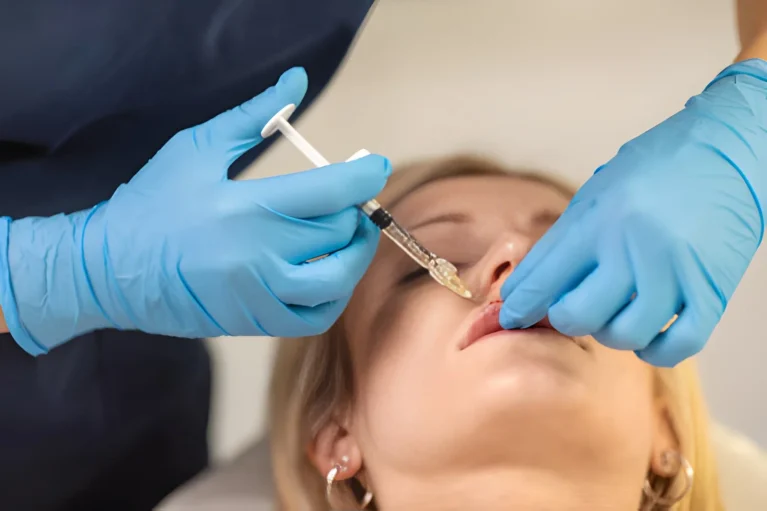
Expert aesthetic and medical care is just a click away. You deserve to look and feel your absolute best. We specialize in advanced treatments like Sculptra and Lipodissolve to help you achieve your desired results. Partner with our specialists to create a personalized care plan.
The Role of a Personalized Care Plan
No two patients with the same diagnosis are identical. A personalized care plan accounts for your specific condition, your current medications, your lifestyle, your risk factors, and your health goals.
This plan outlines what treatments you will follow, how often you will check in with your provider, what lifestyle changes are recommended, and what warning signs to watch for. Understanding the causes of high Cholesterol is often built into this planning process so your doctor can address root contributors alongside active symptoms.
A strong care plan also prepares you for what to do between appointments, which brings self-management into the picture.
Self-Management and At-Home Care
Much of chronic disease management happens outside the clinic. Patients who understand their condition and take an active role in their daily care consistently see better outcomes than those who rely solely on periodic doctor visits.
Our guide on Chronic Disease Management at Home covers the daily habits, monitoring tools, and routines that support long-term stability. This includes tracking symptoms, following a prescribed diet, maintaining physical activity, taking medications on schedule, and knowing when a symptom needs immediate attention.
Telehealth and Hybrid Care in Chronic Disease Management
One of the most significant shifts in chronic care over the past several years is the rise of telehealth. Virtual consultations make it easier for patients to stay connected with their provider without the barrier of travel, wait times, or missed workdays.
At Prime Healthcare of Cypress, TX, we offer comprehensive Chronic Disease Management, Telemedicine, Physical Exams, and Mental Health Care in Cypress services to help you stay ahead of long-term health conditions, manage symptoms effectively, and maintain a better quality of life.
A hybrid model, combining in-person visits with telehealth consultations, gives patients the flexibility to receive consistent care on their own terms. Routine follow-ups, prescription reviews, and symptom checks can often be handled virtually, while hands-on exams and diagnostic tests are completed in the clinic.
Recognizing Symptoms and Knowing When to Act
One of the most critical skills in chronic disease management is learning to recognize when something has changed. Symptoms of chronic disease outline the warning signs that should never be ignored, from unusual fatigue and shortness of breath to sudden weight changes and worsening pain.
Early intervention is almost always more effective than waiting. Patients who report new or worsening symptoms promptly give their care team the chance to adjust treatment before a condition escalates.
Chronic vs. Acute Care: A Quick Comparison
Understanding the difference between chronic and acute care helps you know what kind of support your health condition actually requires.
| Feature | Chronic Disease Management | Acute Care |
|---|---|---|
| Duration | Long-term, ongoing | Short-term, episode-based |
| Goal | Control and prevention | Immediate treatment |
| Visit frequency | Regular scheduled check-ins | As needed for illness or injury |
| Patient role | Active daily self-management | Passive recovery |
| Care setting | Primary care, telehealth, home | ER, urgent care, hospital |
| Focus | Lifestyle, monitoring, medication | Diagnosis and rapid treatment |
Building a Strategy That Works for You
Every patient’s journey with a chronic condition is different. Our resource on how to manage chronic conditions explores the practical approaches that make the biggest difference, from medication adherence and stress management to sleep hygiene and nutrition.
The most effective chronic disease management strategy is one that fits your life. That means working with a provider who listens, adjusts your plan as your needs change, and supports both your physical and mental health over the long term.
Mental health care is an often overlooked component of chronic disease management. Depression and anxiety are significantly more common in patients with long-term conditions, and addressing mental health directly improves outcomes across the board.
FAQs
Take The First Step
Expert aesthetic and medical care is just a click away. You deserve to look and feel your absolute best. We specialize in advanced treatments like Sculptra and Lipodissolve to help you achieve your desired results. Partner with our specialists to create a personalized care plan.