Normal Blood Pressure by Age and What Your Numbers Mean
Normal blood pressure for adults of every age is below 120/80 mmHg. The top number, called systolic pressure, shows the force in your arteries when your heart beats. The bottom number, called diastolic pressure, shows the force between beats. Average readings rise with age, from about 110/68 in young women to about 139/68 in women over 60, but higher averages are not healthier. A reading of 120 to 129 over less than 80 is elevated, 130/80 or higher is high blood pressure, and anything above 180/120 is a hypertensive crisis. Children and teens under 13 are measured against charts based on age, sex, and height.
What Do Blood Pressure Numbers Mean?
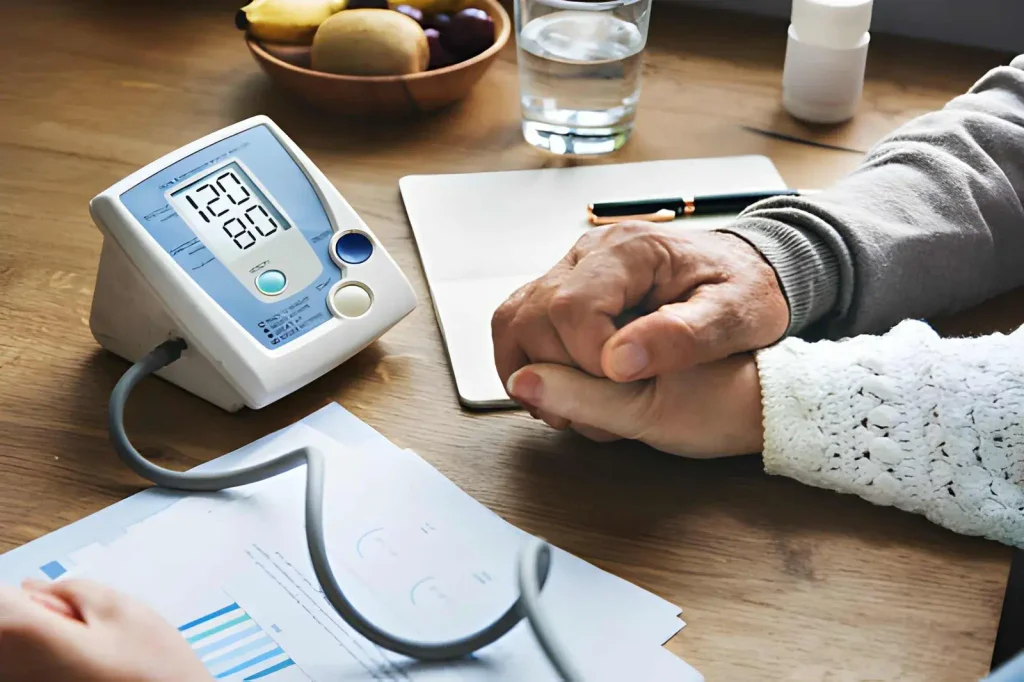
A blood pressure reading has two numbers, such as 118/76. The first number is systolic pressure, the force your blood puts on artery walls each time your heart pumps. The second number is diastolic pressure, the force while your heart rests between beats. Both numbers are measured in millimeters of mercury, written as mmHg. Your doctor looks at both numbers to judge your heart health.
Systolic pressure gets more attention after age 50, because it is a stronger predictor of heart attack and stroke at that age. Arteries naturally stiffen over time, which pushes the top number higher. Diastolic pressure usually rises until about age 50 or 60 and then slowly falls. That is why many older adults have a high top number with a normal or low bottom number.
High blood pressure, also called hypertension, rarely causes symptoms. Many people feel completely fine while their numbers slowly damage the heart, brain, kidneys, and eyes. Nearly half of adults in the United States have high blood pressure, and many do not know it. Regular checks are the only reliable way to catch it early, which is why every annual physical includes a blood pressure reading.
Normal Blood Pressure by Age
The healthy target stays the same for all adults, but average readings change as you get older. The table below shows those averages, and the sections after it explain what normal looks like at each stage of life.
Average Blood Pressure by Age and Sex Compared With the Healthy Target
This table compares the average blood pressure of American adults in each age group with the healthy target set by the American Heart Association. Averages come from national health survey data.
| Age Group | Average for Men | Average for Women | Healthy Target for All Adults |
|---|---|---|---|
| 18 to 39 | 119/70 mmHg | 110/68 mmHg | Below 120/80 mmHg |
| 40 to 59 | 124/77 mmHg | 122/74 mmHg | Below 120/80 mmHg |
| 60 and older | 133/69 mmHg | 139/68 mmHg | Below 120/80 mmHg, or a goal your doctor sets |
1. Blood Pressure for Adults Ages 18 to 39
Young adults usually have the lowest blood pressure of any adult group. The average reading is about 119/70 for men and 110/68 for women. Women tend to read lower than men until menopause. A normal reading in this age group is below 120/80, and many healthy young adults sit well under that number, in the range of 100 to 115 systolic.
High blood pressure in young adults is often missed because people in their 20s and 30s skip checkups. Common causes include extra weight, high salt intake, heavy drinking, poor sleep, and a family history of hypertension. Some birth control pills and pregnancy can also raise blood pressure. Early checks matter, since high readings at a young age raise the lifetime risk of heart disease.
2. Blood Pressure for Adults Ages 40 to 59
Blood pressure climbs steadily through middle age. The average reading is about 124/77 for men and 122/74 for women. About half of adults in this age group have high blood pressure. Weight gain, less activity, stress, and conditions such as type 2 diabetes and high cholesterol all push numbers higher during these years, so yearly checks become more important after 40.
Women often see a sharper rise in blood pressure after menopause, as falling estrogen makes blood vessels less flexible. Diabetes and high blood pressure often appear together, and our guide on Normal A1C Level by Age explains how to read the blood sugar test that is usually checked alongside it. Early care for both conditions helps protect your heart and kidneys.
3. Blood Pressure for Adults 60 and Older
The average reading after 60 is about 133/69 for men and 139/68 for women. About three out of four adults in this age group have high blood pressure. The most common pattern is isolated systolic hypertension, where the top number is 130 or higher while the bottom number stays below 80. Stiff arteries are the main reason for this change in older adults.
A higher average does not make a high reading safe. Most guidelines still aim for a reading below 130/80 for older adults who can reach it safely. Your doctor can set a different goal if you have frequent dizziness, falls, or other health conditions. Low readings after standing up, called orthostatic hypotension, also become more common and can raise the risk of falls.
4. Blood Pressure for Children and Teens
Children have lower blood pressure than adults, and normal levels change as they grow. Doctors do not use one cutoff for kids under 13. Instead, they compare readings with charts based on age, sex, and height. A reading at or above the 90th percentile is elevated, and a reading at or above the 95th percentile on three separate visits is high blood pressure.
Teens 13 and older use the adult cutoffs, with normal blood pressure below 120/80. The American Academy of Pediatrics advises a blood pressure check at every well visit starting at age 3. Our post on the Well Child Visit Schedule lists each checkup by age and what happens at those visits. Childhood obesity is the most common cause of high readings in kids.
Take The First Step
Your health and wellness goals deserve expert attention. Our board-certified team is here to listen, evaluate, and build a care plan tailored to your unique needs. Whether you’re exploring your options or ready to get started, the next step is simple.
Blood Pressure Categories: What Your Reading Means
The American Heart Association groups blood pressure into five categories. Normal is below 120 systolic and below 80 diastolic. Elevated is 120 to 129 systolic with a diastolic number below 80. Stage 1 hypertension is 130 to 139 systolic or 80 to 89 diastolic. Stage 2 hypertension is 140 or higher systolic, or 90 or higher diastolic. These categories apply to all adults.
A hypertensive crisis is a reading above 180 systolic or above 120 diastolic. Wait five minutes and check again. If the reading stays that high and you have chest pain, shortness of breath, back pain, numbness, weakness, vision changes, or trouble speaking, call 911 right away. These symptoms can signal a heart attack, stroke, or other organ damage that needs emergency care.
Only one number needs to be high to place you in a higher category. A reading of 128/84, for example, counts as stage 1 hypertension because the bottom number is 80 or higher. One high reading is not a diagnosis. Your doctor confirms high blood pressure with readings taken on two or more separate visits, or with a week of home readings.
Low Blood Pressure: When Your Numbers Are Too Low
Low blood pressure, called hypotension, is usually defined as a reading below 90/60. Many healthy people, especially young women and athletes, run low without any problems. Low numbers only become a concern when they cause symptoms. Doctors focus on how you feel rather than on the number alone, since a reading of 95/60 can be perfectly normal for one person.
Symptoms of low blood pressure include dizziness, lightheadedness, blurry vision, nausea, fatigue, and fainting. These signs often appear when you stand up quickly. Common causes include dehydration, blood loss, long periods of bed rest, pregnancy, heart problems, and certain medicines for blood pressure, depression, or prostate problems. Hot weather and alcohol can also lower blood pressure for a short time.
A sudden drop in blood pressure with confusion, cold and clammy skin, rapid breathing, or a weak pulse can signal shock. This is a medical emergency, so call 911. For milder symptoms, drink more water, stand up slowly, and avoid long periods of standing still. Your provider can review your medicines and order tests to find the cause of frequent dizziness.
How High Blood Pressure Is Treated?
Treatment usually starts with lifestyle changes. For elevated blood pressure and many cases of stage 1 hypertension, doctors often recommend three to six months of diet, exercise, and weight changes before adding medicine. Medicine is started sooner for stage 2 hypertension, or for stage 1 in people with diabetes, kidney disease, or a high risk of heart disease. Most adults aim for a reading below 130/80.
Common blood pressure medicines include ACE inhibitors such as lisinopril, ARBs such as losartan, calcium channel blockers such as amlodipine, and thiazide diuretics such as chlorthalidone. Many people need two medicines to reach their goal. Our detailed resource on Chronic Disease Management explains how ongoing care, lab checks, and regular follow up visits help keep long term conditions like hypertension under control.
At Prime Healthcare of Cypress, we check your blood pressure at every visit, explain what your numbers mean, and build a plan around your goals. Our chronic disease management in Cypress includes medication adjustments and regular monitoring for hypertension. Blood pressure checks are part of every annual physical exam in Cypress, and telemedicine in Cypress makes it easy to review your home readings.
How to Lower Your Blood Pressure Naturally?
Small daily changes can lower your blood pressure in a meaningful way. The sections below cover the food choices and the daily habits that have the strongest proof behind them.
1. Eat Less Salt and Follow the DASH Diet
The DASH diet, short for Dietary Approaches to Stop Hypertension, focuses on fruits, vegetables, whole grains, beans, nuts, fish, and low fat dairy. It limits red meat, sweets, and sugary drinks. In clinical studies, the DASH diet lowered systolic pressure by about 8 to 14 points in people with high blood pressure. Results often appear within two weeks of starting the plan.
Salt has a direct effect on blood pressure. The American Heart Association advises less than 2,300 milligrams of sodium per day, with an ideal limit of 1,500 milligrams for most adults. Most sodium comes from bread, deli meats, canned soup, frozen meals, and restaurant food rather than the salt shaker. Potassium from bananas, potatoes, beans, and spinach helps balance sodium.
1. Move More, Manage Weight, and Limit Alcohol
Regular exercise lowers systolic pressure by about 5 to 8 points. Aim for 150 minutes of moderate activity each week, such as brisk walking, cycling, or swimming. Weight loss also helps, with about a 1 point drop in blood pressure for every 2 pounds lost. If you need support, weight loss management in Cypress offers medically supervised plans built around your health needs.
Limit alcohol to one drink a day for women and two for men, quit smoking, and aim for seven to nine hours of sleep. Stress and anxiety can raise blood pressure for short periods, and our post on physical symptoms of anxiety explains how anxiety affects the heart and body. Untreated sleep apnea is another common cause of high readings.
How to Check Your Blood Pressure Correctly?
Accurate readings depend on good technique. Avoid caffeine, exercise, and smoking for 30 minutes before a reading, and empty your bladder first. Sit in a chair with your back supported and your feet flat on the floor. Rest for five minutes. Place the cuff on bare skin, with your arm supported at heart level, and stay quiet during the reading.
Cuff size matters. A cuff that is too small can add 10 points or more to your reading. Take two readings one minute apart and write down both. Home monitoring helps spot white coat hypertension, which means higher readings only at the doctor’s office. It also catches masked hypertension, where readings look normal at the office but run high at home.
Choose a validated upper arm monitor rather than a wrist or finger device, and bring it to your next visit so your provider can check its accuracy. Take readings in the morning and evening for one week before an appointment. Our guide on Chronic Disease Management at Home shares more tips for keeping a log and sharing your readings with your care team.
Frequently Asked Questions
Take The First Step
Your health and wellness goals deserve expert attention. Our board-certified team is here to listen, evaluate, and build a care plan tailored to your unique needs. Whether you’re exploring your options or ready to get started, the next step is simple.