Chronic Disease Management at Home: A Practical Guide
A chronic condition does not pause when you leave the clinic. Most long-term health conditions like diabetes, high blood pressure, asthma, and heart disease require daily attention that goes far beyond what happens in a doctor’s office. What you do between visits has a direct impact on how well your condition stays under control. This guide walks you through the practical steps, tools, and habits that make home-based chronic disease management work. Whether you are newly diagnosed or have been living with a condition for years, the right home routine can reduce complications, improve your quality of life, and keep you out of the emergency room.
Why Home-Based Care Matters in Chronic Disease Management?
A doctor visit lasts minutes. Your daily life lasts 24 hours. That gap is where most of the real work of chronic disease management at home takes place.
Conditions like type 2 diabetes, hypertension, and COPD do not pause between appointments. They respond to what you eat, how much you sleep, your stress levels, and whether you take your medication on time. Patients who actively manage their health at home consistently show better outcomes than those who rely solely on clinical care.
To understand the full picture of what chronic disease management involves, our resource on what Is Chronic Disease Management covers the complete care model from diagnosis to long-term treatment planning.
Building Your Daily Home Management Routine
A consistent daily routine is the foundation of effective home-based chronic care. Structure reduces the chance of missed medications, skipped monitoring, or overlooked symptoms.
Medication Management
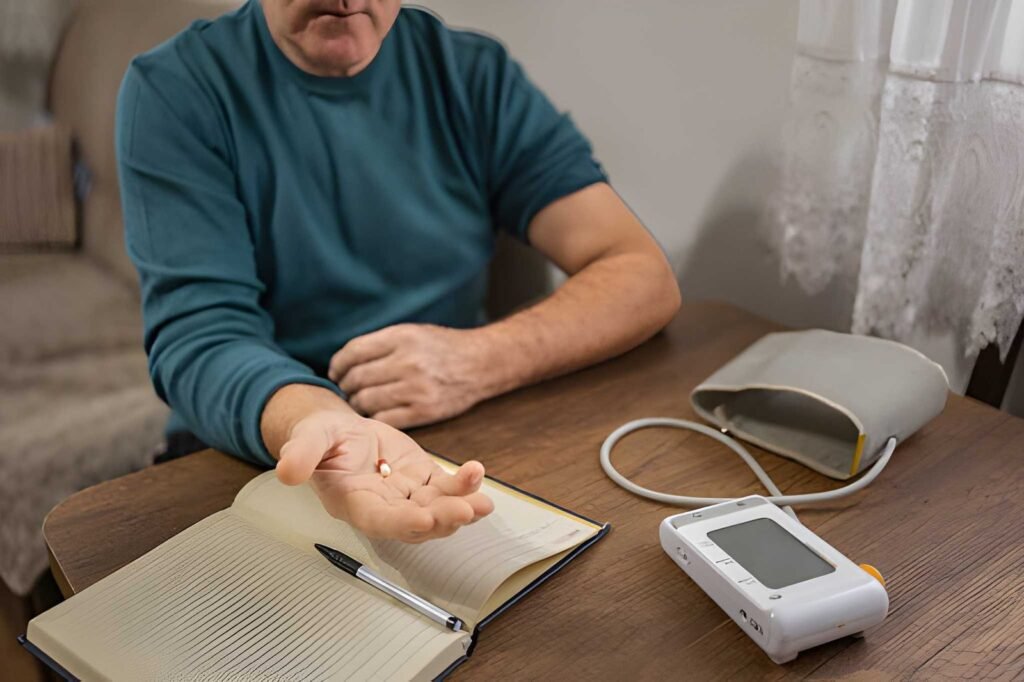
One of the most important parts of managing a chronic condition at home is taking your medication correctly and consistently. Missing doses or taking medications at the wrong time can cause your condition to worsen quickly.
Use a pill organizer, a phone alarm, or a medication tracking app to stay on schedule. Always keep a current list of your medications, dosages, and timing, and bring it to every appointment.
Daily Symptom Monitoring
Track how you feel every day. Note any changes in energy, pain levels, appetite, or sleep. For conditions like diabetes, that means checking blood sugar at set times. For hypertension, it means taking your blood pressure reading each morning.
Consistent tracking gives your doctor a clearer picture of how your condition is behaving between visits. If you notice something unusual, symptoms of Chronic Disease can help you decide when to call your provider versus when to seek immediate care.
Take The First Step
Expert aesthetic and medical care is just a click away. You deserve to look and feel your absolute best. We specialize in advanced treatments like Sculptra and Lipodissolve to help you achieve your desired results. Partner with our specialists to create a personalized care plan.
At-Home Monitoring Tools That Support Chronic Care
The right tools make home management far more effective. Several affordable devices are widely available and clinically useful for common chronic conditions.
| Condition | Recommended Home Tool | What It Tracks |
|---|---|---|
| Hypertension | Blood pressure monitor | Systolic and diastolic readings |
| Diabetes | Glucometer or CGM device | Blood sugar levels |
| Asthma / COPD | Peak flow meter | Lung function and airflow |
| Heart conditions | Pulse oximeter | Oxygen saturation and heart rate |
| General chronic care | Health tracking app | Symptoms, weight, activity, sleep |
These tools do not replace clinical testing. They supplement it. Share your home readings with your provider at every visit so they can spot trends and adjust your care plan accordingly.
Nutrition and Lifestyle as Core Treatment Tools
Diet plays a significant role in controlling blood sugar, blood pressure, cholesterol, and inflammation. A diet built around whole foods, lean proteins, fiber, and limited sodium and added sugars supports almost every chronic condition. Your provider or a registered dietitian can help you build a plan that works for your specific diagnosis.
Physical activity is equally important. Even 20 to 30 minutes of moderate movement most days of the week improves insulin sensitivity, lowers blood pressure, supports heart health, and reduces stress. The type and intensity of exercise should match your condition and current fitness level, always check with your doctor before starting a new routine.
At Prime Healthcare of Cypress, TX, we offer comprehensive Chronic Disease Management, Telemedicine, Physical Exams, and Mental Health Care services to help you stay ahead of long-term health conditions, manage symptoms effectively, and maintain a better quality of life.
The Role of Mental Health in Home-Based Chronic Care
Chronic conditions take a toll on mental health. Depression and anxiety are significantly more common in people living with long-term illness, and when left unaddressed, they make physical symptoms worse and adherence to treatment plans harder.
Mental health care is not separate from chronic disease management, it is part of it. If you notice persistent low mood, loss of motivation, increased worry, or emotional exhaustion, bring it up with your provider. These are manageable with the right support.
Stress management techniques like deep breathing, mindfulness, and regular sleep routines also reduce the physical burden of chronic conditions. Chronic stress raises blood pressure, disrupts blood sugar, and worsens inflammation.
Staying Connected With Your Care Team From Home
Home management works best when it stays connected to clinical oversight. Telehealth has made this easier than ever. Virtual check-ins allow your provider to review your home monitoring data, adjust medications, and address new symptoms without requiring an in-person visit every time.
For patients managing multiple conditions or balancing busy schedules, this kind of flexibility is not just convenient, it is clinically valuable. Regular contact with your care team keeps small issues from becoming serious ones.
If you want to go deeper into what conditions require this level of ongoing attention, our guides on types of chronic health conditions and causes of high Cholesterol are strong starting points for understanding your diagnosis in full context.
FAQs
Take The First Step
Expert aesthetic and medical care is just a click away. You deserve to look and feel your absolute best. We specialize in advanced treatments like Sculptra and Lipodissolve to help you achieve your desired results. Partner with our specialists to create a personalized care plan.