Normal Resting Heart Rate by Age for Adults and Children
A normal resting heart rate for adults is 60 to 100 beats per minute (bpm), and most healthy adults fall between 60 and 80 bpm. Children have faster heart rates that slow down as they grow. A newborn’s resting heart rate is about 70 to 190 bpm, a 1 to 2 year old’s is 80 to 130 bpm, a 5 to 6 year old’s is 75 to 115 bpm, and children 10 and older reach the adult range of 60 to 100 bpm. Well trained athletes can rest as low as 40 bpm.
A resting rate that stays above 100 bpm or below 60 bpm with dizziness, fainting, or chest pain needs a medical checkup.
What Is a Resting Heart Rate?
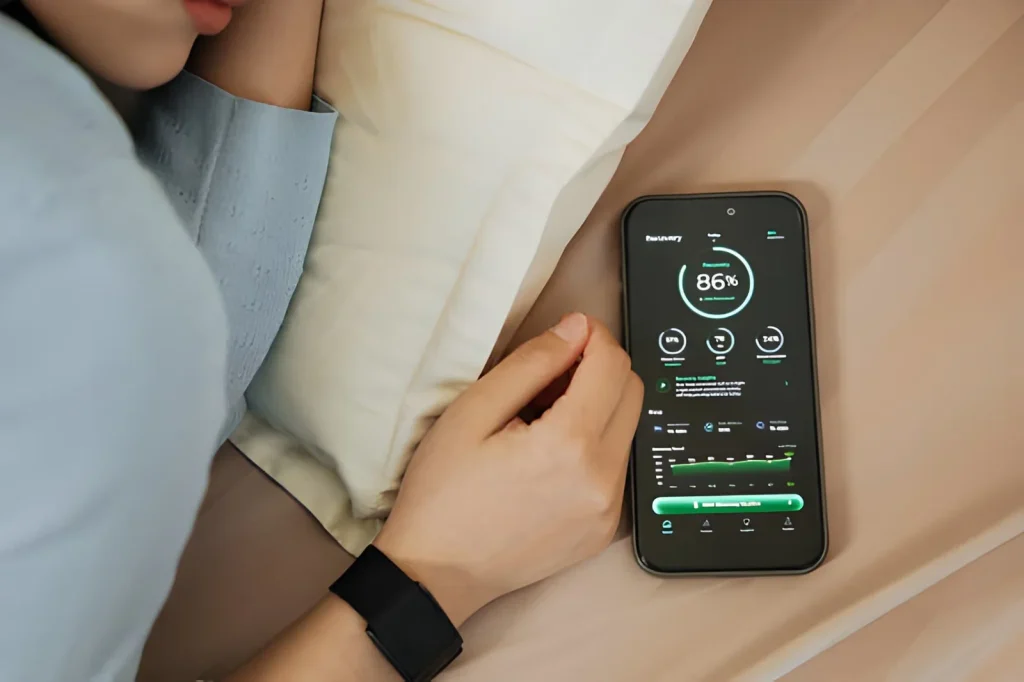
Your resting heart rate is the number of times your heart beats in one minute while you are calm and still. It is best measured after you have been sitting or lying down for at least five minutes. Many doctors suggest checking it in the morning, right after you wake up and before you get out of bed, drink coffee, or start your day.
Your heart rate shows how hard your heart works to pump blood through your body. A lower resting rate usually means your heart pumps more blood with each beat, which is a sign of good fitness. A higher resting rate means your heart works harder at rest. Over many years, that extra work can strain the heart and blood vessels.
Research links a resting heart rate above 80 bpm in adults with a higher risk of heart disease and early death, even within the normal range. That is why your heart rate is checked at every physical exam, along with your blood pressure. Our guide on Normal Blood Pressure by Age explains the other key number your provider reviews at each visit.
Normal Resting Heart Rate by Age
Heart rate is fastest in newborns and slows down steadily through childhood. By about age 10, children reach the same normal range as adults. The sections below explain what a healthy resting heart rate looks like at each stage of life.
1. Normal Heart Rate for Newborns and Babies (Birth to 12 Months)
A newborn’s heart beats very fast, with a normal resting rate of about 70 to 190 bpm in the first month of life. Babies have small hearts that pump a small amount of blood with each beat, so the heart must beat more often to meet the body’s needs. From 1 to 11 months, the normal range is about 80 to 160 bpm.
A baby’s heart rate rises quickly with crying, feeding, and fever, then settles back down during sleep. Doctors check an infant’s heart rate at every well visit. Our post on the Well Child Visit Schedule lists each checkup from birth through the teen years. Call your pediatric provider if your baby seems unusually sleepy, pale, or has trouble breathing or feeding.
2. Normal Heart Rate for Toddlers and Young Children (1 to 6 Years)
Heart rate keeps slowing as children grow and their hearts get larger. A normal resting heart rate is about 80 to 130 bpm for children ages 1 to 2, about 80 to 120 bpm for ages 3 to 4, and about 75 to 115 bpm for ages 5 to 6. Active play, excitement, and fever can push these numbers higher for a short time.
Young children cannot always explain how they feel, so parents should watch for signs such as fast breathing, unusual tiredness, fainting, or a racing heartbeat at rest. A fever raises a child’s heart rate by about 10 beats per minute for each degree Celsius. The rate should return to normal once the fever comes down and the child is calm.
3. Normal Heart Rate for School Age Children and Teens (7 to 17 Years)
Children ages 7 to 9 have a normal resting heart rate of about 70 to 110 bpm. From age 10 on, the normal range matches adults at 60 to 100 bpm. Teens who play sports often have resting rates near 60 bpm or even lower, which is usually a healthy sign of a strong heart and good fitness for their age.
Doctors check heart rate and rhythm before a teen joins a school team. Our blog on What Is a Sports Physical explains how this exam screens for heart problems that can cause trouble during sports. A child or teen who faints during exercise, has chest pain, or feels a racing heart should always see a provider before they return to play.
4. Normal Heart Rate for Adults (18 to 59 Years)
The American Heart Association defines a normal resting heart rate for adults as 60 to 100 bpm. Most healthy adults fall between 60 and 80 bpm. People who exercise often, especially runners, swimmers, and cyclists, can have resting rates between 40 and 60 bpm. A low rate in a fit person with no symptoms is usually normal and not a cause for concern.
Women tend to have a resting heart rate about 2 to 7 beats higher than men, partly because women usually have smaller hearts. Pregnancy also raises resting heart rate by about 10 to 20 bpm as the body pumps more blood to support the baby. Stress, caffeine, poor sleep, and dehydration can all raise your resting rate from one day to the next.
5. Normal Heart Rate for Older Adults (60 and Older)
Normal resting heart rate stays at 60 to 100 bpm for older adults. Your resting rate does not change much with age, but your maximum heart rate during exercise drops each year. This means your heart has less room to speed up during activity. Older adults also become more likely to develop rhythm problems, such as atrial fibrillation, often called AFib.
Older adults often take medicines that change heart rate. Beta blockers such as metoprolol, used for blood pressure and heart conditions, lower resting heart rate. Some decongestants, inhalers, and thyroid medicines can raise it. Your provider reviews your medicine list at each visit and checks for a slow, fast, or irregular pulse before making any changes to your treatment.
Take The First Step
Your health and wellness goals deserve expert attention. Our board-certified team is here to listen, evaluate, and build a care plan tailored to your unique needs. Whether you’re exploring your options or ready to get started, the next step is simple.
Resting Heart Rate Chart by Age
This chart shows normal resting heart rate ranges for each age group, from newborns to older adults. Ranges are based on guidance from the National Institutes of Health and the American Heart Association. All numbers are in beats per minute, measured while awake and at rest.
| Age Group | Normal Resting Heart Rate |
|---|---|
| Newborns (0 to 1 month) | 70 to 190 bpm |
| Babies (1 to 11 months) | 80 to 160 bpm |
| Toddlers (1 to 2 years) | 80 to 130 bpm |
| Young children (3 to 4 years) | 80 to 120 bpm |
| Young children (5 to 6 years) | 75 to 115 bpm |
| School age children (7 to 9 years) | 70 to 110 bpm |
| Children 10 and older, teens, and adults | 60 to 100 bpm |
| Well trained athletes | 40 to 60 bpm |
What Affects Your Resting Heart Rate?
Your resting heart rate can change from day to day, and many everyday factors play a part. The sections below explain the most common causes of a higher or lower heart rate at rest.
1. Fitness, Body Size, and Body Position
Regular exercise makes your heart muscle stronger, so it pumps more blood with each beat and needs fewer beats at rest. People who start a regular exercise routine often see their resting rate drop by several beats within a few months. Extra weight has the opposite effect, since the heart must work harder to supply a larger body with blood.
Body position also changes your heart rate. Your heart rate rises slightly when you stand up and settles when you sit or lie down. Hot and humid weather raises heart rate, since your heart pumps more blood to the skin to cool you down. For the most accurate number, always check your resting heart rate in the same position and at the same time of day.
2. Stress, Caffeine, and Medicines
Stress and anxiety release adrenaline, which speeds up your heart. Many people feel their heart pounding during a stressful moment or a panic attack. Our post on Physical Symptoms of Anxiety explains how anxiety affects the heart, breathing, and muscles. Caffeine, nicotine, alcohol, and energy drinks can also raise your heart rate for several hours after use.
Some medicines raise heart rate, including decongestants such as pseudoephedrine, asthma inhalers such as albuterol, some ADHD medicines, and too much thyroid medicine. Other medicines lower heart rate, including beta blockers, calcium channel blockers such as diltiazem, and digoxin. Never stop a prescribed medicine on your own, even if you notice a change in your pulse. Call your provider first.
3. Health Conditions That Change Heart Rate
Thyroid problems are a common cause of an abnormal resting heart rate. An overactive thyroid often causes a fast heartbeat, while an underactive thyroid can slow it down. Our guide on Hypothyroidism Symptoms in Women explains the signs of a slow thyroid, including fatigue, weight gain, and a slow pulse. A simple blood test can check your thyroid levels.
Other conditions that raise heart rate include fever, dehydration, anemia, infection, low blood sugar, and lung disease. Conditions that lower heart rate include heart block, sick sinus syndrome, and sleep apnea. Heart disease and high blood pressure can also affect your heart rhythm over time. Your provider looks at your full health picture to find the cause of any change.
When a Resting Heart Rate Is Too High or Too Low?
A heart rate outside the normal range is not always a problem, but it can be a sign of a health issue that needs care. The sections below explain what a fast and a slow resting heart rate mean.
1. Fast Heart Rate (Tachycardia)
A resting heart rate above 100 bpm in adults is called tachycardia. It often happens for short periods with fever, dehydration, stress, or caffeine, and it returns to normal once the cause goes away. A heart rate that stays high at rest can point to an overactive thyroid, anemia, infection, heart disease, or a rhythm problem such as atrial fibrillation.
Symptoms of tachycardia include a racing or pounding heartbeat, shortness of breath, dizziness, chest discomfort, and fainting. Atrial fibrillation causes an irregular heartbeat that feels like fluttering or skipped beats. It raises the risk of stroke about five times. Many smartwatches can now detect an irregular rhythm, but a provider must confirm it with an electrocardiogram, also called an ECG or EKG.
2. Slow Heart Rate (Bradycardia)
A resting heart rate below 60 bpm in adults is called bradycardia. In athletes and very fit people, a slow heart rate is usually normal. It becomes a concern when it causes symptoms, such as tiredness, weakness, dizziness, confusion, shortness of breath, or fainting. These signs mean your brain and body are not getting enough blood with each beat.
Common causes of a slow heart rate include an underactive thyroid, heart block, aging of the heart’s electrical system, sleep apnea, and medicines such as beta blockers. Some people with severe bradycardia need a pacemaker, a small device placed under the skin that keeps the heart beating at a steady rate. Your provider can order an ECG to find the cause.
When to See a Doctor About Your Heart Rate?
See a provider if your resting heart rate stays above 100 bpm or below 60 bpm and you are not a trained athlete. You should also get checked if your heartbeat often feels irregular, fluttering, or pounding, or if you notice a sudden change in your usual resting rate. Children with a racing heart at rest, fainting, or chest pain during play also need a checkup.
Call 911 right away if a fast or slow heart rate comes with chest pain, shortness of breath, fainting, confusion, or weakness on one side of the body. These can be signs of a heart attack, stroke, or a dangerous heart rhythm. Do not drive yourself to the emergency room. Fast care can protect your heart and brain from lasting damage.
At Prime Healthcare of Cypress, we check your heart rate and rhythm, review your symptoms and medicines, and explain what your numbers mean. Heart rate checks are part of every annual physical exam in Cypress and every visit for pediatric care in Cypress. Our chronic disease management in Cypress supports patients with high blood pressure, thyroid conditions, and other long term health needs.
Frequently Asked Questions
Take The First Step
Your health and wellness goals deserve expert attention. Our board-certified team is here to listen, evaluate, and build a care plan tailored to your unique needs. Whether you’re exploring your options or ready to get started, the next step is simple.