What Causes High Cholesterol? Risk Factors You Should Know
High cholesterol is caused by a combination of dietary habits, physical inactivity, genetics, underlying health conditions, and certain medications. It is one of the most common yet most overlooked chronic health risks because it produces no symptoms until serious damage has already occurred. Understanding what causes high cholesterol is the first step toward preventing heart disease, stroke, and other life-threatening complications.
This guide breaks down every major risk factor, from what you eat to your family history, so you know exactly where your risk comes from and what you can do about it.
What Is Cholesterol and Why Does It Matter?
Cholesterol is a waxy, fat-like substance produced naturally by the liver and also consumed through food. The body needs cholesterol to build cells, produce hormones, and support digestion. The problem arises when cholesterol levels rise too high, particularly low-density lipoprotein, known as LDL cholesterol.
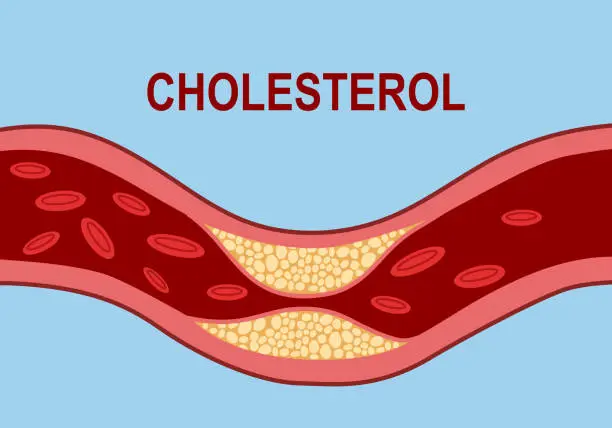
Excess LDL cholesterol builds up along the walls of arteries, forming plaques that narrow blood flow and increase the risk of heart attack and stroke. High-density lipoprotein, or HDL cholesterol, works in the opposite direction — it carries cholesterol away from arteries and back to the liver for removal. The balance between these two types is what determines your overall cardiovascular risk.
High cholesterol falls under the broader category of metabolic chronic conditions. Types of Chronic Health Conditions covers how metabolic conditions like high cholesterol, diabetes, and obesity are connected and why they often occur together.
Dietary Causes of High Cholesterol
What you eat has a direct and significant impact on your cholesterol levels.
1. Saturated and Trans Fats
Saturated fats found in red meat, full-fat dairy products, butter, and tropical oils like coconut and palm oil, raise LDL cholesterol levels. Trans fats, which appear in many processed and fried foods, do the same while also lowering HDL cholesterol, making them particularly harmful.
A diet high in these fats is one of the most common and modifiable causes of elevated cholesterol. Reducing saturated fat intake and eliminating trans fats from your diet can produce meaningful improvements in cholesterol levels within weeks.
2. Lack of Dietary Fiber
Soluble fiber, found in oats, beans, lentils, fruits, and vegetables, binds to cholesterol in the digestive tract and removes it from the body before it enters the bloodstream. A diet low in fiber means less of this natural cholesterol removal, and higher LDL levels as a result.
Take The First Step
Expert aesthetic and medical care is just a click away. You deserve to look and feel your absolute best. We specialize in advanced treatments like Sculptra and Lipodissolve to help you achieve your desired results. Partner with our specialists to create a personalized care plan.
Lifestyle Risk Factors
Diet is not the only lifestyle factor that raises cholesterol. Several daily habits contribute significantly to elevated levels. Physical inactivity is a major risk factor. Regular aerobic exercise raises HDL cholesterol and helps the body process LDL more efficiently. Adults who lead sedentary lives consistently show less favorable cholesterol profiles than those who exercise regularly, even when their diets are similar.
Excess body weight, particularly abdominal fat, is closely linked to elevated LDL and triglyceride levels and reduced HDL. Weight loss, even modest amounts, improves cholesterol across all markers.
Smoking damages blood vessel walls, making it easier for cholesterol to accumulate and form plaques. It also lowers HDL cholesterol, removing one of the body’s natural defenses against arterial buildup. Quitting smoking produces rapid and measurable improvements in HDL levels.
Excessive alcohol consumption raises triglyceride levels and contributes to weight gain, both of which worsen overall cholesterol balance.
Genetic Causes of High Cholesterol
For some people, high cholesterol is not primarily a lifestyle issue, it is genetic. Familial hypercholesterolemia is an inherited condition that causes very high LDL cholesterol from birth. People with this condition have a genetic mutation that prevents the liver from removing LDL from the bloodstream efficiently. They can develop high cholesterol and cardiovascular disease at a young age regardless of diet or exercise habits.
Even without a formal diagnosis of familial hypercholesterolemia, a family history of high cholesterol or early heart disease significantly increases your personal risk. If a parent or sibling was diagnosed with high cholesterol or had a heart attack before age 55, your risk is considerably higher than average.
At Prime Healthcare of Cypress, we offer comprehensive Chronic Disease Management in Cypress, Physical Exams in Cypress, and Telemedicine services in Cypress to help you monitor cholesterol levels, identify risk factors early, and build a personalized care plan that keeps your heart health on track.
Medical Conditions That Raise Cholesterol
Several underlying health conditions directly affect cholesterol metabolism and raise LDL levels independent of diet or lifestyle. Type 2 diabetes reduces HDL cholesterol and raises triglycerides while also increasing LDL particle density, making the cholesterol that is present more damaging to artery walls. Hypothyroidism, or an underactive thyroid, slows metabolism and reduces the body’s ability to clear LDL from the bloodstream. Chronic kidney disease and liver disease also interfere with normal cholesterol processing.
These connections highlight why cholesterol management is rarely isolated. It sits within a broader framework of chronic disease. What Is Chronic Disease Management explains how conditions like diabetes, kidney disease, and high cholesterol are managed together through coordinated long-term care rather than as separate problems.
Routine health screenings that include lipid panels, blood sugar tests, and thyroid function checks give your provider the full picture needed to manage all of these interconnected risks effectively.
Medications That Affect Cholesterol Levels
Certain medications raise cholesterol as a side effect, even in patients who eat well and exercise regularly. Corticosteroids, used to treat inflammation and autoimmune conditions, can raise LDL and triglyceride levels with long-term use. Some blood pressure medications, particularly older beta blockers and thiazide diuretics, also affect cholesterol balance. Retinoids used in dermatology and some HIV medications are additional examples.
If you are taking any of these medications and have received a high cholesterol reading, discuss it with your provider. An adjustment in medication or an added treatment plan may be appropriate.
High Cholesterol Risk Factors at a Glance
Understanding your personal risk profile is the most practical way to take action.
| Risk Factor | How It Raises Cholesterol | Modifiable? |
|---|---|---|
| High saturated and trans fat diet | Raises LDL directly | Yes |
| Physical inactivity | Lowers HDL, raises LDL | Yes |
| Excess body weight | Raises LDL and triglycerides | Yes |
| Smoking | Lowers HDL, damages arteries | Yes |
| Excessive alcohol | Raises triglycerides | Yes |
| Familial hypercholesterolemia | Genetic LDL processing defect | No |
| Family history of heart disease | Inherited risk | No |
| Type 2 diabetes | Lowers HDL, raises LDL density | Partially |
| Hypothyroidism | Slows LDL clearance | Partially |
| Certain medications | Raise LDL or triglycerides | Partially |
Recognizing the Broader Impact of High Cholesterol
High cholesterol does not cause pain, fatigue, or obvious symptoms in most people. It is a silent risk factor — one that quietly damages arteries over years before a heart attack or stroke makes it impossible to ignore.
This is why routine lipid screenings matter so much. Adults over 20 should have their cholesterol checked at least every four to six years. Those with additional risk factors, diabetes, obesity, family history, or hypertension, should be screened more frequently.
Symptoms of Chronic Disease covers the warning signs that often accompany conditions linked to high cholesterol, including hypertension and metabolic syndrome, so you know what to watch for before a serious cardiac event occurs.
For patients already managing a chronic condition alongside high cholesterol, Chronic Disease Management at Home outlines the daily habits and monitoring routines that support better outcomes across all interconnected conditions. And for those looking to build a broader strategy around long-term health, How to Manage Chronic Conditions provides a complete framework for taking control of multiple chronic health risks at once.
FAQs
Take The First Step
Expert aesthetic and medical care is just a click away. You deserve to look and feel your absolute best. We specialize in advanced treatments like Sculptra and Lipodissolve to help you achieve your desired results. Partner with our specialists to create a personalized care plan.