
Symptoms of Chronic Disease: When to See a Doctor
Symptoms of chronic disease develop gradually, making them easy to ignore until they interfere with daily life. The most common warning signs include persistent fatigue that rest does not fix, unexplained weight changes of ten pounds or more, recurring headaches, frequent infections, elevated blood pressure, abnormal blood sugar levels, constant joint pain, and mood changes lasting beyond two weeks. These symptoms signal your body is struggling with a condition that needs medical attention rather than home remedies.
The critical question is not whether you have symptoms, but how long they have persisted and whether they keep returning despite attempts to address them. Recognizing these patterns early and seeking professional evaluation determines whether a chronic condition stays manageable or progresses into something far more difficult to control.
What Makes Symptoms Chronic Instead of Temporary?
Knowing the difference between normal discomfort and chronic disease symptoms helps you decide when to see a doctor. Every person experiences occasional tiredness, headaches, or body aches that resolve within days. These temporary symptoms respond to rest, hydration, and minor lifestyle adjustments without medical intervention. Symptoms of chronic disease behave differently because they persist despite these basic remedies.
The defining characteristic of chronic disease symptoms is duration. A symptom that lasts longer than three weeks without improvement signals something deeper than temporary stress or fatigue. Frequency matters as well because symptoms that disappear briefly but return multiple times per month follow a pattern consistent with underlying health conditions rather than isolated incidents.
Intensity provides another clue. Chronic disease symptoms often worsen gradually over weeks or months instead of appearing suddenly. This slow progression makes them harder to recognize because your body adapts to the discomfort incrementally until the symptom becomes your new normal. Understanding what Is Chronic Disease Management helps patients recognize when symptom patterns require professional evaluation rather than continued waiting.

Common Symptoms of Chronic Disease
These warning signs appear across multiple chronic conditions and deserve medical attention when they persist.
1. Persistent Fatigue and Low Energy
Fatigue ranks among the most frequently reported symptoms of chronic disease, affecting patients with diabetes, thyroid disorders, heart disease, and autoimmune conditions. This exhaustion differs from normal tiredness because adequate sleep does not resolve it. Patients describe feeling drained despite eight hours of rest, struggling to complete daily tasks that previously felt effortless, and experiencing afternoon energy crashes that disrupt productivity.
Chronic fatigue affects both physical stamina and mental clarity simultaneously. Concentration becomes difficult, motivation drops, and even simple decisions feel overwhelming. This combination suggests metabolic dysfunction rather than lifestyle factors alone. Our guide on types of Chronic Health Conditions explores which specific conditions produce fatigue as a primary symptom.
2. Unexplained Weight Changes
Weight fluctuations without dietary changes indicate metabolic disruption associated with several chronic diseases. Unintentional weight loss of ten pounds or more often signals thyroid problems, diabetes, or digestive disorders affecting nutrient absorption. Unexplained weight gain at the same threshold suggests insulin resistance, hormonal imbalances, or metabolic syndrome.
The speed of weight change matters because gradual shifts over months differ from rapid changes within weeks. Sudden weight changes accompanied by increased thirst, frequent urination, or extreme hunger point specifically toward diabetes. Gradual weight gain alongside fatigue, dry skin, and cold sensitivity suggests thyroid dysfunction. Tracking these patterns provides valuable diagnostic information when you consult your doctor.
3. Recurring Headaches and Migraines
Occasional headaches from stress or dehydration resolve quickly and need minimal intervention. Chronic disease related headaches return multiple times weekly, follow consistent patterns, and often resist over the counter pain relief. These recurring headaches may signal hypertension, diabetes complications affecting blood vessels, or chronic inflammation throughout the body.
Headache characteristics provide diagnostic clues. Headaches that worsen with physical activity, appear in the morning, or cause vision changes alongside pain suggest elevated blood pressure. Headaches accompanied by nausea, extreme sensitivity to light, and throbbing pain indicate migraines that may connect to hormonal imbalances or other chronic conditions requiring specific treatment approaches.
4. Frequent Infections and Slow Healing
Your immune system’s effectiveness shows through how often you get sick and how quickly you recover. Frequent respiratory infections, urinary tract infections, skin infections, or wounds that heal slowly all indicate immune weakness associated with chronic disease. Diabetes particularly affects healing because elevated blood sugar impairs circulation and immune cell function.
Three or more infections within six months signals immune compromise worth investigating. Cuts or scrapes taking longer than two weeks to heal completely suggest circulation problems or metabolic issues preventing normal tissue repair. These symptoms of chronic disease reveal your body’s reduced ability to defend against pathogens and repair damage efficiently.
5. Elevated Blood Pressure
High blood pressure produces few noticeable symptoms until it reaches dangerous levels, earning its reputation as a silent condition. Some patients experience headaches, dizziness, or nosebleeds when blood pressure spikes significantly. Most discover elevated readings during routine screenings before symptoms appear at all.
Blood pressure above 130 over 80 consistently indicates hypertension requiring treatment. This chronic condition damages blood vessels, strains your heart, and increases stroke risk when left unmanaged. Regular monitoring catches this symptom of chronic disease before it produces complications.
6. Abnormal Blood Sugar Levels
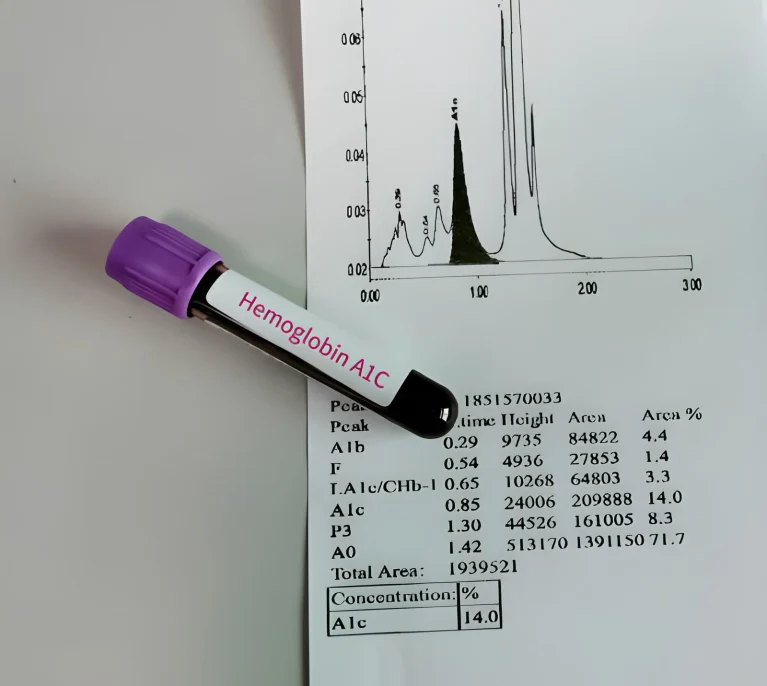
Diabetes develops through several warning signs that appear before blood sugar reaches diagnostic thresholds. Excessive thirst that drinking water does not satisfy, frequent urination especially at night, blurred vision, tingling in hands or feet, and recurring yeast infections all signal blood sugar dysregulation.
Early diabetes symptoms are subtle enough that many patients dismiss them as unrelated issues rather than recognizing the pattern. A physical exam including blood sugar testing reveals whether these symptoms connect to prediabetes or diabetes requiring intervention. Our resource on Chronic Disease Management at Home teaches patients how to monitor blood sugar between doctor visits.
7. Constant Joint Pain and Stiffness
Joint discomfort after intense physical activity resolves within days as muscles and connective tissues recover. Chronic disease related joint pain persists for weeks or months, appears in multiple joints simultaneously, and often feels worse after periods of rest rather than activity. Morning stiffness lasting longer than thirty minutes suggests inflammatory conditions like rheumatoid arthritis.
Joint pain accompanied by swelling, warmth, or redness indicates active inflammation requiring medical evaluation. This combination of symptoms of chronic disease signals autoimmune conditions where the immune system attacks joint tissues, producing progressive damage when treatment delays occur.
8. Mood Changes and Mental Health Symptoms
Depression, anxiety, and persistent mood changes lasting beyond two weeks frequently accompany chronic disease. Diabetes, thyroid disorders, cardiovascular disease, and chronic pain conditions all affect brain chemistry and emotional regulation directly. These mental health symptoms are not simply reactions to being sick but physiological results of the disease process itself.
Mood changes become concerning when they interfere with work, relationships, or daily functioning. Feeling persistently sad, losing interest in previously enjoyed activities, experiencing constant worry, or having difficulty sleeping all warrant evaluation. At Prime Healthcare of Cypress, TX, our services of chronic disease management in Cypress, mental health care, and Cypress physical exams work together to address both physical and emotional symptoms, helping patients maintain better quality of life while managing long term health conditions.
Take The First Step
Expert aesthetic and medical care is just a click away. You deserve to look and feel your absolute best. We specialize in advanced treatments like Sculptra and Lipodissolve to help you achieve your desired results. Partner with our specialists to create a personalized care plan.
When Symptoms Require Immediate Medical Attention?
Certain symptoms of chronic disease indicate serious complications needing urgent evaluation.
| Symptom | When to See a Doctor Immediately |
|---|---|
| Chest pressure or pain | Within minutes, call 911 |
| Sudden numbness or weakness | Within minutes, call 911 |
| Severe headache unlike previous headaches | Within hours, emergency room |
| Difficulty breathing at rest | Within hours, emergency room |
| Vision changes or loss | Within hours, emergency room |
| Confusion or difficulty speaking | Within minutes , call 911 |
| Blood sugar above 300 mg/dL | Within hours, emergency room |
| Blood pressure above 180/120 | Within hours, emergency room |
These acute symptoms often represent complications of existing chronic conditions or signal that a chronic disease has progressed to a dangerous stage requiring immediate intervention.
Making the Decision to Seek Medical Evaluation
Understanding when symptoms cross the threshold from normal to concerning helps you act at the right time. Schedule a medical evaluation when any symptom persists beyond three weeks without improvement. This timeline applies to fatigue, pain, digestive problems, mood changes, and any physical sensation that feels unusual for your body. Duration matters more than severity because mild symptoms that never resolve often indicate chronic conditions just as much as severe symptoms do.
Family history amplifies the significance of symptoms. If your parents or siblings have been diagnosed with diabetes, heart disease, thyroid disorders, or autoimmune conditions, your genetic risk is elevated. Symptoms that might warrant simple monitoring in someone without family history deserve faster medical attention when you carry genetic predisposition. Causes of high Cholesterol explains how genetics and lifestyle factors combine to increase chronic disease likelihood.
Age changes the baseline for what qualifies as normal. Symptoms appearing after age forty carry different implications than identical symptoms in younger patients because metabolic function, hormone production, and cellular repair slow naturally over time. Waiting for symptoms to resolve spontaneously becomes riskier as age increases.
How to manage Chronic Conditions begins with early detection. The sooner you identify symptoms, report them to your doctor, and begin appropriate treatment, the better your long term outcomes become. Chronic diseases caught early respond better to treatment, require less aggressive interventions, and produce fewer complications than conditions discovered after years of silent progression.
Frequently Asked Questions
Take The First Step
Expert aesthetic and medical care is just a click away. You deserve to look and feel your absolute best. We specialize in advanced treatments like Sculptra and Lipodissolve to help you achieve your desired results. Partner with our specialists to create a personalized care plan.





Reading this evokes a tranquil clarity, like early morning light filtering through mist. Each word illuminates thought and emotion, gradually revealing subtle layers and fostering a contemplative awareness that deepens with careful attention.