Lip Filler Side Effects: What Is Normal and When to Worry
Lip fillers are one of the most popular cosmetic treatments in the country, but the days after treatment bring questions that many first time patients do not expect. These three reactions are standard parts of the healing process, yet some responses can signal a problem that needs medical attention right away. Lip filler side effects range from mild and temporary to rare but serious, and knowing the difference between normal recovery and a real concern matters for every patient.
This guide covers 8 common lip filler side effects, explains what each one looks like during recovery, and identifies the warning signs that call for immediate care. The right preparation before your appointment helps you heal faster and feel confident about your results.
Why Lip Filler Side Effects Happen After Treatment?
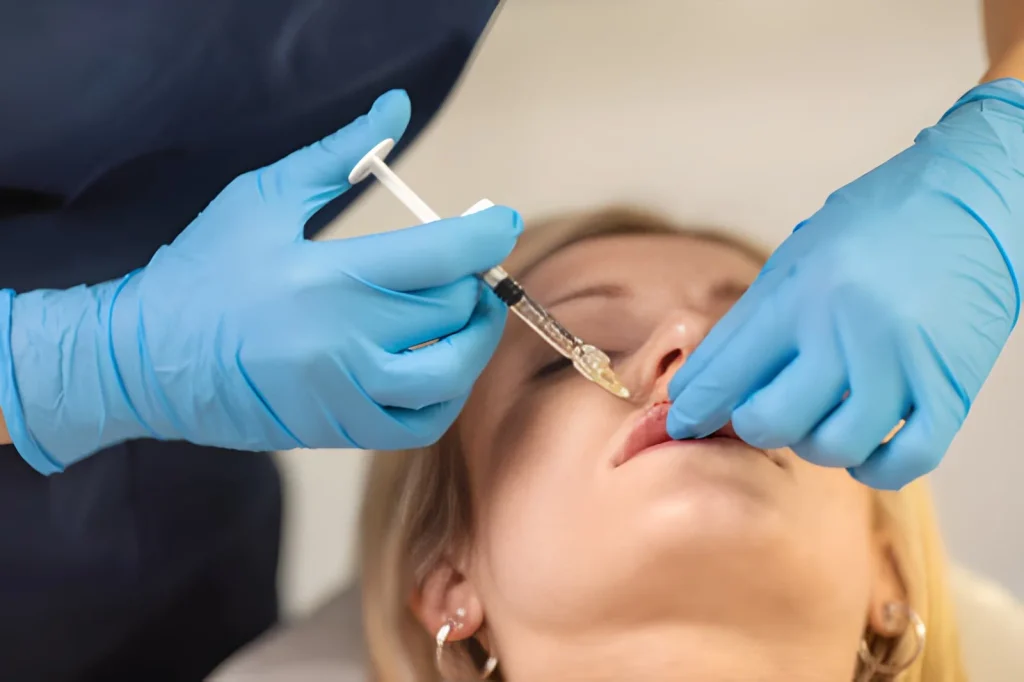
Most lip fillers use hyaluronic acid, a substance that occurs naturally in the body. The injection places this gel beneath the skin to add volume, shape, and definition to the lips. Even though hyaluronic acid is biocompatible, the body still recognizes the needle and the filler material as foreign and responds with inflammation to protect the treatment area.
The immune system sends extra blood flow and fluid to the injection sites as part of its natural defense. This creates the swelling, redness, and warmth that nearly every patient notices within the first 24 to 48 hours. The severity of lip filler side effects depends on the amount of filler used, the injection technique, and each person’s individual healing response.
Patients who receive dermal fillers in Cypress from a qualified provider experience fewer complications because proper placement and sterile technique reduce the risk of infection and vascular injury. A thorough consultation before treatment helps patients understand exactly what to expect during recovery and sets realistic expectations for the final results.
Lip Filler Side Effects That Are Considered Normal
The following lip filler side effects are a standard part of recovery and typically resolve on their own within one to two weeks without additional treatment.
1. Swelling Around the Lips
Puffiness around the lips is the most visible side effect and usually peaks within the first 24 to 48 hours after the procedure. The lips may appear significantly larger than the intended final result during this stage, which surprises many first time patients. The degree of swelling varies based on the volume of filler injected and the sensitivity of the tissue. Some patients also notice that the swelling looks uneven at first, but this balances out as the fluid settles over the next several days.
Cold compresses applied gently for 10 minutes at a time help bring down the puffiness over the first few days. Most patients see a major reduction by day 5, and the final shape of the lips becomes clear around the two week mark. A low sodium diet during this period also helps because excess salt encourages the body to hold onto fluid longer.
2. Bruising at the Injection Sites
Small bruises form when the needle passes through tiny blood vessels beneath the skin. The marks may appear as purple, blue, or yellowish patches around the lips and can take 5 to 10 days to fade completely. The lip area has a dense network of blood vessels, which makes bruising more likely here than in other areas of the face.
Patients who avoid blood thinners, alcohol, and fish oil supplements for at least 48 hours before the appointment tend to bruise less. Arnica cream applied after treatment can also speed up the healing timeline and reduce the discoloration. Concealer can cover the marks during the healing period for patients who need to return to work or social events quickly.
3. Tenderness and Sensitivity to Touch
The lips feel sore and sensitive for the first few days because the tissue has been punctured multiple times during the injection process. This tenderness makes eating, drinking, and talking slightly uncomfortable during the initial 48 hours. Many patients describe the feeling as similar to a mild sunburn that reacts to every touch or movement of the mouth.
Over the counter pain relief and soft foods help manage the discomfort during this window. The sensitivity fades gradually and is usually gone within one week of treatment. Patients should also avoid kissing and pressing the lips together firmly during the first 48 hours to give the tissue time to calm down.
4. Redness and Warmth Around the Lips
Redness at the injection sites is a normal inflammatory response that shows the body is actively healing. The skin around the lips may also feel warm to the touch for the first day or two after the procedure. Patients with lighter skin tones tend to notice the redness more, but the reaction is the same across all skin types.
This redness typically fades within 48 hours without any special care. Patients should avoid hot beverages, spicy foods, and direct sun exposure during this window to prevent the inflammation from getting worse. A cool, damp cloth placed over the area for a few minutes at a time can soothe both the warmth and the visible redness.
5. Small Lumps or Uneven Texture
Minor bumps or areas of unevenness can appear as the filler settles into position beneath the skin. These lumps are common during the first two weeks and often smooth out on their own as the filler integrates with the surrounding tissue. The hyaluronic acid gel needs time to absorb water and distribute evenly, which is why the texture looks different at first.
Gentle massage as directed by the provider helps work out small irregularities faster. Lumps that remain firm or visible beyond four weeks should be evaluated because they may need a touch up or adjustment in technique. Patients should never attempt to squeeze or pop a lump on their own because this can move the filler to the wrong area.
6. Itching or Mild Tingling
A mild itching or tingling sensation around the lips is part of the normal healing response. The nerve endings in the lip tissue react to the filler and the micro trauma from the needles, which creates a prickling feeling that comes and goes throughout the day. The sensation is usually strongest during the first 24 hours and decreases as the tissue adjusts to the filler.
This sensation usually lasts only a few days and does not need any treatment. Patients should avoid scratching or rubbing the lips because pressure can shift the filler before it has fully settled into place. An antihistamine can help if the itching becomes bothersome, but patients should check with their provider before taking any new medication after the procedure.
7. Temporary Lip Numbness
Some patients notice a brief period of reduced sensation in the lips right after the injection. This occurs when the needle passes near small nerve branches or when the filler places mild pressure on the surrounding nerves. The numbness can feel strange when eating or drinking because the lips do not register temperature or texture the way they normally would.
Full sensation returns within a few hours to a few days for most patients. Numbness that extends beyond two weeks deserves a follow up visit with the treating provider to rule out nerve compression. Patients who also notice tingling in other parts of the body should review the physical symptoms of anxiety to see if stress may be playing a role alongside the procedure.
8. Dryness and Flaking on the Lips
The skin on the lips may become dry and start to peel during the first week of recovery. The inflammatory process and the temporary stretching of the lip skin from swelling both contribute to this dryness. Patients who already have naturally dry lips before the procedure tend to notice this side effect more than others.
A fragrance free lip balm applied throughout the day keeps the skin hydrated and prevents cracking. Patients should hold off on matte lipsticks and exfoliating lip products until the area has fully healed. A balm with ingredients like shea butter or vitamin E provides the best moisture barrier during the recovery period.
Take The First Step
Expert aesthetic and medical care is just a click away. You deserve to look and feel your absolute best. We specialize in advanced treatments like Sculptra and Lipodissolve to help you achieve your desired results. Partner with our specialists to create a personalized care plan.
Warning Signs That Require Attention After Lip Fillers
Most lip filler side effects are mild and resolve within two weeks, but certain reactions indicate a complication that requires prompt medical care. Severe swelling that continues to increase after 72 hours, intense pain that does not respond to over the counter medication, and skin that turns white, gray, or dark purple around the injection site all point to something beyond normal healing.
The most serious complication is vascular occlusion, which happens when filler material blocks a blood vessel and cuts off blood supply to the surrounding tissue. Symptoms include blanching of the skin, severe throbbing pain, and a blue or gray discoloration that spreads beyond the original injection area. This requires emergency treatment with hyaluronidase to dissolve the filler and restore circulation before permanent tissue damage occurs.
| Side Effect | Normal Response | Warning Sign |
|---|---|---|
| Swelling | Peaks at 48 hours and decreases steadily over 5 days | Continues to increase after 72 hours with worsening pain |
| Skin color | Mild redness and light bruising around injection sites | White, gray, or dark purple patches that spread outward |
| Pain level | Moderate tenderness that improves a little each day | Intense throbbing that gets worse and does not respond to medication |
Patients who notice any of these warning signs can reach a provider quickly through a telemedicine appointment to determine the right next step without delay.
How to Prepare for Lip Fillers and Minimize Recovery Time?
Preparation starts at least one week before the appointment. Patients should stop taking aspirin, ibuprofen, fish oil, and vitamin E supplements because these increase the risk of bruising and prolonged swelling. Alcohol should be avoided for at least 48 hours before the procedure. A provider who reviews the full medical history, current medications, and cosmetic goals during the consultation can catch potential issues before they arise.
After the procedure, patients should keep the head elevated, avoid intense exercise for 48 hours, and stay away from saunas, steam rooms, and hot showers for the first day. Women who combine lip fillers with other cosmetic services like Botox or Sculptra as part of a complete women’s health and wellness plan should space the treatments at least two weeks apart so the body has enough time to heal between procedures.
At Prime Healthcare of Cypress, patients considering lip fillers or other aesthetic treatments receive a full consultation that covers candidacy, expected lip filler side effects, aftercare instructions, and realistic timelines for final results. This approach reduces the chance of avoidable complications and gives patients the confidence to move forward with the treatment that fits their goals.
Frequently Asked Questions
Take The First Step
Expert aesthetic and medical care is just a click away. You deserve to look and feel your absolute best. We specialize in advanced treatments like Sculptra and Lipodissolve to help you achieve your desired results. Partner with our specialists to create a personalized care plan.