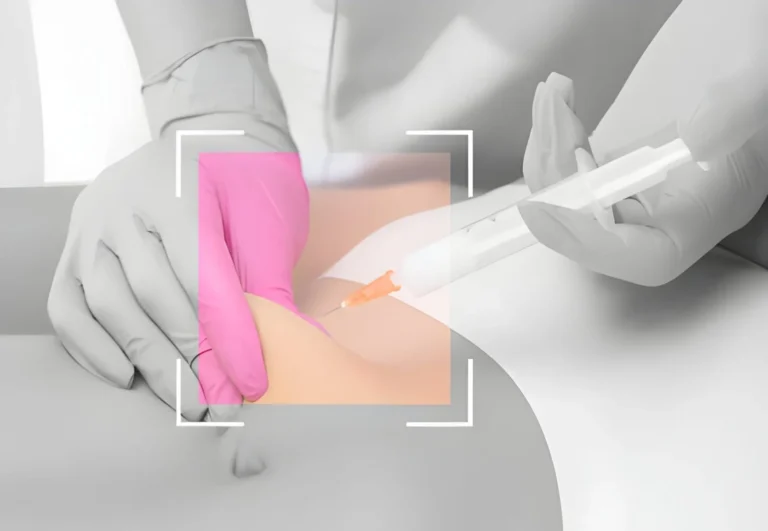
Botox vs Dermal Fillers: Key Differences Explained
The primary difference between Botox and dermal fillers lies in their approach to facial rejuvenation: Botox prevents wrinkles by temporarily paralyzing muscles, while fillers restore lost volume by adding substance beneath the skin. Botox works best on expression lines caused by muscle contractions, lasting 3 to 4 months, whereas fillers address volume depletion and static wrinkles, lasting 6 months to 2 years. These treatments target different causes of aging, making them complementary rather than competing options. Most patients eventually use both treatments to achieve comprehensive facial rejuvenation.
This comparison explains when to choose each treatment and how they work together for optimal results.
What Is Botox and How Does It Work?
Botox functions as a muscle paralyzing agent that prevents the facial contractions responsible for creating and deepening expression lines. The active ingredient, botulinum toxin type A, interrupts communication between nerves and muscles by blocking acetylcholine release at neuromuscular junctions. This temporary chemical blockade prevents treated muscles from receiving signals to contract, resulting in a relaxed state that allows overlying skin to smooth out naturally.
Botox treatment accomplishes depends entirely on stopping muscle movement rather than adding any substance to the skin. The neurotoxin does not fill spaces, add volume, or physically push skin upward. Instead, it eliminates the underlying cause of dynamic wrinkles by removing the repetitive muscle contractions that create them.
The precision of Botox placement determines treatment success. Injecting too much product or placing it incorrectly can affect unintended muscles, while insufficient dosing fails to adequately relax the target muscles. Proper technique requires detailed knowledge of facial muscle anatomy and injection depths.

What Are Dermal Fillers and How They Work?
Dermal fillers function by physically occupying space beneath the skin to replace lost tissue volume and create structural support. Hyaluronic acid fillers work through their unique ability to absorb and retain water at 1000 times their molecular weight. When placed in the dermis or subcutaneous tissue, these gel like substances immediately create volume while continuing to attract moisture from surrounding tissues, enhancing their plumping effect over time.
Cross linked hyaluronic acid provides different viscosities for various applications, from thin formulations for fine lines to thick gels for deep structural support. Calcium based fillers stimulate natural collagen production alongside immediate volumizing effects.
The placement depth and injection technique for fillers varies significantly based on treatment goals. Superficial placement addresses fine lines, mid dermal injection corrects moderate wrinkles, and deep subcutaneous placement restores significant volume loss. Some areas require multiple depths to achieve optimal correction.
Unlike muscle relaxing treatments, fillers provide immediate visual results because they physically displace tissue and create contour changes. The gel substance occupies space that was previously empty, pushing overlying skin outward to create smoother, fuller appearances.
Take The First Step
Expert aesthetic and medical care is just a click away. You deserve to look and feel your absolute best. We specialize in advanced treatments like Sculptra and Lipodissolve to help you achieve your desired results. Partner with our specialists to create a personalized care plan.
Key Differences: Botox vs Dermal Fillers Treatment Areas
Each treatment excels in specific facial regions based on the underlying cause of aging concerns in those areas.
What Botox Treats Best?
Expression lines represent Botox’s primary strength because these wrinkles result directly from muscle activity. Horizontal forehead lines disappear when the frontalis muscle stops lifting the eyebrows. Vertical frown lines between the brows smooth out when the corrugator and procerus muscles remain relaxed. Crow’s feet around the eyes fade when the orbicularis oculi muscle stops contracting during smiling and squinting.
Preventive treatment with Botox stops wrinkles from forming in the first place. Young patients who begin neurotoxin treatments before deep lines develop can maintain smooth skin indefinitely by preventing the repetitive muscle movements that etch permanent creases.
Medical applications extend beyond cosmetic concerns to include excessive sweating, chronic migraines, and jaw tension from teeth grinding. These conditions all involve problematic muscle or gland activity that responds well to neurotoxin intervention.
What Dermal Fillers Treat Best?
Volume restoration addresses the primary cause of facial aging as fat pads shrink and bone structure changes over time. Cheek fillers replace lost midface volume to restore youthful fullness and create lifting effects throughout the lower face. Lip fillers compensate for natural lip thinning that occurs with age while enhancing shape and definition.
Static line correction involves filling grooves and depressions that remain visible when the face is completely relaxed. Nasolabial folds, marionette lines, and vertical lip lines require physical filling rather than muscle relaxation because they result from volume loss and skin changes rather than muscle activity.
Contour enhancement creates structural improvements that go beyond wrinkle correction. Fillers can define weak jawlines, enhance cheekbone projection, create more balanced facial proportions, and correct asymmetries that result from uneven tissue loss or natural anatomical variations. Reviewing cheek fillers before and after results demonstrates the dramatic improvements possible with volume restoration that muscle relaxation alone cannot achieve.
Duration and Longevity Differences
Botox longevity remains fairly consistent across different treatment areas because nerve regeneration follows predictable timelines. Most patients require retreatment every 3 to 4 months as new nerve terminals grow and muscle function gradually returns. Factors like metabolism, physical activity level, and individual protein breakdown rates influence how quickly the neurotoxin effects diminish.
Filler longevity depends on multiple variables including product density, injection depth, tissue movement, and metabolic factors. Cheek fillers elasticity typically extends beyond other facial areas because of reduced muscle activity and deeper placement options.
Maintenance scheduling differs dramatically between treatments. Botox requires consistent appointments every few months to maintain results, while fillers may need touch ups anywhere from every 6 months to every 2 years depending on the product and location used.
Results Timeline: When You See Changes
Botox development requires patience as the neurotoxin gradually takes effect over 3 to 7 days. Initial muscle weakness appears around day 2 to 3, with progressive relaxation occurring as more nerve terminals become blocked. Peak effect develops at 10 to 14 days when maximum muscle relaxation is achieved.
Filler development provides instant gratification as results are visible immediately after injection. However, the final appearance requires 1 to 2 weeks as initial swelling subsides and the product settles into its permanent position. Some fillers continue improving for several weeks as they attract additional moisture and integrate with surrounding tissues.
Combination timing allows patients to see immediate volume correction followed by gradual muscle relaxation when both treatments are performed together. The filler effects appear first, providing immediate improvement, while Botox benefits develop progressively over the following weeks.
Photo documentation helps track the different timelines, especially for combination treatments where multiple changes occur at different rates. Patients often forget their baseline appearance and benefit from visual reminders of their improvement progression.
Comparison Table: Botox vs Dermal Fillers Quick Reference
This side by side comparison highlights the fundamental differences between the two treatment types.
| Feature | Botox | Dermal Fillers |
|---|---|---|
| Primary function | Muscle paralysis | Volume replacement |
| Target concerns | Dynamic wrinkles | Volume loss, static lines |
| Result onset | 3-7 days | Immediate |
| Full effect timeline | 2 weeks | 2 weeks |
| Average duration | 3-4 months | 6-24 months |
| Reversal options | Time only | Enzyme dissolution (HA) |
| Typical cost range | $200-600 | $600-1500 |
| Treatment frequency | Every 3-4 months | Every 6-24 months |
| Best starting age | 25-30 | 30-35 |
| Common side effects | Bruising, headache | Swelling, lumps |
Side Effects Comparison: Botox vs Fillers
Neurotoxin complications typically involve muscle related issues like temporary eyelid drooping, facial asymmetry, or headaches. Side effects of Botox are generally mild and self limiting, resolving as the product naturally metabolizes over several months. The most concerning potential complication involves systemic toxin spread, though this is extremely rare with cosmetic dosing.
Volumizing complications more commonly involve inflammatory reactions like prolonged swelling, bruising, or nodule formation. Dermal filler side effects can include more serious vascular complications if product accidentally enters blood vessels, potentially causing tissue damage or necrosis requiring immediate treatment.
Risk assessment shows that both treatments are very safe when performed by qualified medical professionals using proper techniques and FDA approved products. The choice between treatments should be based on desired outcomes rather than safety concerns, though patients with certain medical conditions may be better candidates for one approach over the other.
Complication management differs between treatments, with Botox complications typically requiring supportive care while waiting for natural resolution, while some filler complications can be immediately reversed with enzyme injections.
Choosing Between Botox and Fillers in Cypress
Assessment process should begin with identifying whether your concerns primarily involve muscle activity or volume depletion. Dynamic wrinkles that disappear when muscles are manually relaxed indicate Botox candidacy, while persistent lines and deflated areas suggest filler needs.
Professional consultation becomes crucial because facial aging involves complex interactions between muscle activity, volume loss, skin quality, and bone changes. An experienced provider can identify which factors contribute most significantly to your appearance concerns and recommend appropriate treatments.
At Prime Healthcare of Cypress, Botox injections and dermal filler treatments in Cypress begin with comprehensive facial analysis to determine the most effective approach for each patient’s unique needs. The practice offers both treatments, allowing for unbiased recommendations based on actual requirements rather than limited service offerings.
Provider qualifications in the Cypress area should include medical training, aesthetic experience, and the ability to offer both treatment options. Practitioners who only provide one type of injectable may be biased toward recommending their available service rather than the most appropriate solution.
Which Treatment Should You Choose?
- Primary concern identification determines initial treatment selection. Patients bothered mainly by expression lines benefit from starting with Botox, while those concerned about facial volume loss should begin with fillers. Many patients eventually use both treatments as their needs evolve.
- Lifestyle factors influence treatment choice based on maintenance preferences and social schedules. Busy professionals may prefer longer lasting filler results despite higher costs, while others favor the predictable Botox schedule and lower per treatment investment.
- Age related guidelines suggest that patients in their 20s and early 30s often benefit from preventive Botox, while those over 35 typically need volume replacement alongside muscle relaxation to address comprehensive aging changes.
- Risk tolerance varies between patients, with some preferring the temporary, reversible nature of Botox while others appreciate the immediate, longer lasting results that fillers provide despite slightly higher complication risks.
- Budget planning should consider both immediate costs and long term maintenance expenses when choosing between treatments. Neither approach is inherently more economical, as total costs depend on individual treatment needs and response patterns.
FAQs
Take The First Step
Expert aesthetic and medical care is just a click away. You deserve to look and feel your absolute best. We specialize in advanced treatments like Sculptra and Lipodissolve to help you achieve your desired results. Partner with our specialists to create a personalized care plan.