How Long Do Cheek Fillers Last? Everything You Need
Cheek fillers typically last 12 to 18 months, with some dense formulas lasting up to 24 months when placed deep on the cheekbone. The exact duration depends on factors like your metabolism, age, the type of filler used, and how much was injected. Hyaluronic acid fillers in the cheeks fade gradually rather than disappearing all at once, giving you time to plan your next appointment. Results start diminishing around month 12, with most patients scheduling touch ups between 15 to 18 months.
This guide covers everything that affects how long your cheek enhancement will last and how to maximize your results.
How Long Do Cheek Fillers Last on Average?
Most patients can expect their cheek filler results to last between 12 to 18 months with proper care and quality products. The cheeks are one of the longer lasting areas for filler placement because there is less muscle movement compared to areas like the lips or around the eyes. When cheek fillers are placed correctly at the right depth, they integrate well with the surrounding tissue and resist breakdown from facial expressions and daily activities.
Dense, cohesive fillers placed deep on the cheekbone can extend closer to 24 months in some patients. These structural fillers are designed specifically for areas that need strong support and lift. Softer fillers used for subtle volume addition typically fall into the 12 to 15 month range.
Hyaluronic acid fillers, which make up the majority of cheek treatments, are gradually absorbed by the body through natural metabolic processes. The rate of absorption varies from person to person, but the average timeline remains consistent across most patients. The cheeks also benefit from being a relatively protected area. Unlike the lips, which are constantly moving and exposed to weather, the cheeks maintain a more stable environment that helps preserve the filler longer.
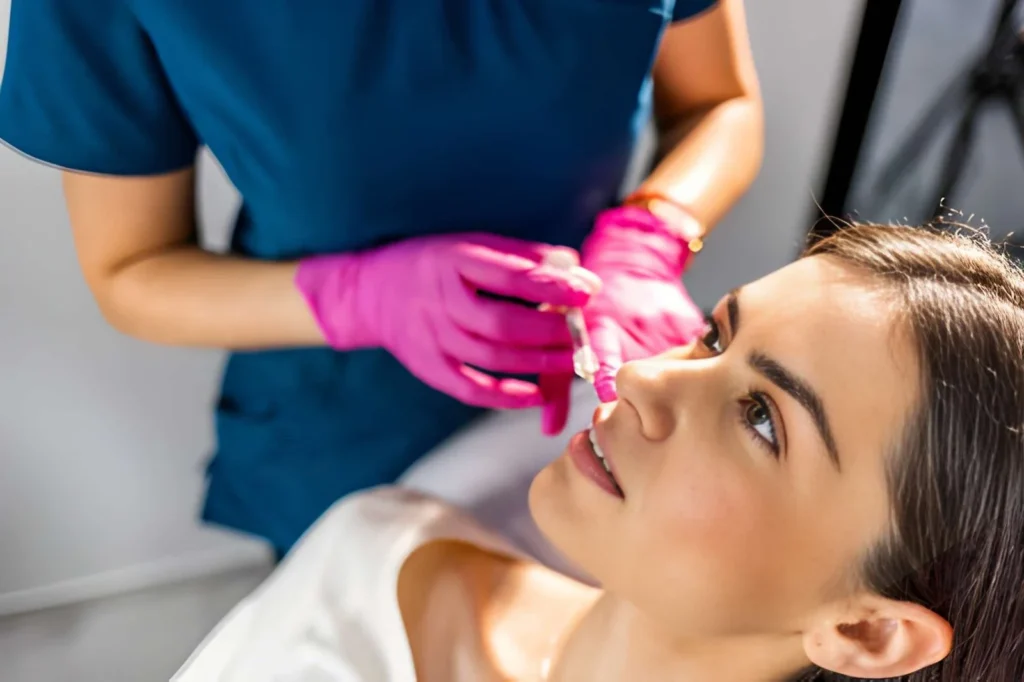
How Different Types of Fillers Affect How Long They Last?
Not all fillers are created equal, and the specific product chosen directly impacts how long your results will maintain. Hyaluronic acid fillers like Juvederm Voluma and Restylane Lyft are engineered with different particle sizes and cross linking patterns. Voluma, designed specifically for cheek enhancement, can last 18 to 24 months because of its robust gel structure. Softer hyaluronic acid formulas typically provide 12 to 15 months of correction.
Calcium hydroxylapatite fillers, sold under the brand name Radiesse, offer 12 to 18 months of results. These fillers work differently because they stimulate some natural collagen production alongside the immediate volumizing effect. The collagen stimulation can extend the overall improvement even as the original product dissolves.
Lip fillers typically last 6 to 9 months due to constant movement. Nasolabial fold treatments last 9 to 12 months. Under eye fillers can last 12 to 15 months. The cheeks consistently perform at the upper end of these ranges. The concentration and cross linking density of the product affect breakdown resistance. More heavily cross linked gels resist enzymatic breakdown longer but require skilled placement to avoid feeling firm or unnatural.
Take The First Step
Expert aesthetic and medical care is just a click away. You deserve to look and feel your absolute best. We specialize in advanced treatments like Sculptra and Lipodissolve to help you achieve your desired results. Partner with our specialists to create a personalized care plan.
What Factors Affect How Long Cheek Fillers Last?
Several personal and treatment related factors determine whether your results will last closer to 12 months or extend beyond 18 months.
Metabolism is the biggest individual factor. Patients with faster metabolisms break down hyaluronic acid more quickly. People who exercise heavily, have high stress levels, or naturally fast metabolic rates may see results fade sooner. Age also affects metabolism, with younger patients typically processing fillers faster than older patients.
Skin condition and elasticity influence how well the filler integrates and maintains its position. Healthy, well hydrated skin with good elasticity holds filler better than sun damaged or dehydrated skin. Patients who maintain good skincare routines often see longer lasting results.
Amount and depth of placement directly correlate with longevity. Treatments using adequate volume placed at the correct anatomical depth last longer than conservative treatments or those placed too superficially. An experienced injector knows how to balance immediate results with long term durability.
Lifestyle factors can accelerate filler breakdown. Heavy sun exposure, smoking, and dehydration all speed up the metabolic processes that dissolve hyaluronic acid. Patients who protect their skin and maintain healthy habits consistently report longer lasting results.
Understanding dermal filler side effects helps you choose a qualified provider whose proper technique contributes to both safety and longevity. Poor injection technique can lead to uneven breakdown and shorter lasting results.
What Cheek Filler Results Look Like As They Fade?
Cheek fillers do not disappear overnight but fade gradually over several months, giving you time to plan your next treatment. The fading process typically begins around month 10 to 12, though many patients do not notice significant changes until month 15. The volume decreases slowly, usually starting from the edges of the treated area and working inward. Most patients first notice the change when comparing current photos to cheek fillers before and after images from their initial treatment.
The midface begins to settle back toward its pre treatment position, but rarely returns completely to the starting point. Some structural improvement often remains even after the filler has fully dissolved, especially in patients who have had multiple treatments over time.
Unlike sudden deflation, the gradual nature of filler breakdown means you maintain a natural appearance throughout the fading process. There is no obvious point where you suddenly look different, which is why many patients are surprised when they realize their results have diminished. The cheeks may feel softer to the touch as the filler breaks down, and you might notice that makeup application changes slightly as the enhanced contours become less pronounced.
How to Tell When It Is Time for a Touch Up?
Recognizing the right time for a touch up helps maintain consistent results without waiting until all correction has disappeared. Most patients benefit from scheduling their next appointment when they notice about 30% of their volume correction has faded. This typically occurs around month 15 for average patients. At this point, a smaller amount of filler can restore the full result without starting completely over.
Visual signs include the return of shadows under the cheekbones, less definition when viewed from the side, or the gradual reappearance of nasolabial folds that had been softened by the original treatment. Taking monthly photos from the same angle helps track these subtle changes.
Some patients prefer to wait until more significant fading occurs, especially if they want to try a different approach or adjust their goals. Others prefer the consistency of maintaining their results with regular touch ups every 15 to 18 months. Lip fillers often need refreshing on a different schedule than cheek treatments, so patients who have had both procedures should track each area separately rather than treating them as a package.
Ways to Help Cheek Fillers Last Longer
Follow all aftercare instructions provided by your injector. The first two weeks after treatment are crucial for proper integration. Avoiding excessive heat, strenuous exercise, and facial manipulation during this period helps the filler settle correctly and may contribute to longer lasting results.
Sun protection is essential for maintaining both filler longevity and overall skin health. UV exposure accelerates the breakdown of hyaluronic acid and damages the skin matrix that supports the filler. Daily SPF 30 or higher sunscreen and protective clothing help preserve your investment.
Hydration supports the filler’s ability to attract and hold water molecules. Well hydrated patients often report that their results look fuller and last longer. This includes both drinking adequate water and using quality moisturizers to support skin barrier function.
Avoid habits that speed breakdown like smoking, excessive alcohol consumption, and chronic dehydration. These lifestyle factors increase inflammation and accelerate metabolic processes that dissolve the filler more quickly.
Realistic expectations matter more than any maintenance routine. No product lasts forever, and planning for regular touch ups produces better long term satisfaction than trying to make a single treatment last indefinitely.
Getting Quality Cheek Filler Treatments in Cypress
The longevity of your cheek filler results depends heavily on choosing an experienced provider who understands facial anatomy and uses proper technique. Look for medical professionals with specific training in aesthetic injections and a portfolio of before and after photos showing their work. Board certified dermatologists, plastic surgeons, and experienced nurse injectors under physician supervision typically produce the most consistent, long lasting results.
At Prime Healthcare of Cypress, cheek fillers treatment in Cypress are performed with a focus on natural looking results that maintain their quality over time. Proper assessment, product selection, and injection technique all contribute to how long your enhancement will last and how natural it will look throughout the fading process.
A quality consultation includes discussion of realistic timelines, maintenance schedules, and what to expect as results evolve. Providers who rush you into treatment or make unrealistic promises about duration are red flags to avoid. The clinic should carry FDA approved products stored properly and have protocols for managing any complications. Quality care extends beyond the injection itself to include proper follow up and support throughout your treatment timeline.
Comparison Table: How Long Different Cheek Filler Approaches Last
Different filler types and placement strategies offer varying durations to match your goals and lifestyle.
| Filler Type/Goal | Approximate Duration | Notes |
|---|---|---|
| Hyaluronic Acid (Structural) | 15 to 24 months | Placed deep on the cheekbone for lift and support |
| Hyaluronic Acid (Soft Volume) | 12 to 15 months | Placed in softer areas of the midface |
| Calcium Hydroxylapatite | 12 to 18 months | Provides both immediate volume and some collagen support |
| First Time Treatment | 12 to 16 months | Often falls in the average range |
| Maintenance Touch Up | 12 to 18 months | Can help maintain results over time |
FAQs
Take The First Step
Expert aesthetic and medical care is just a click away. You deserve to look and feel your absolute best. We specialize in advanced treatments like Sculptra and Lipodissolve to help you achieve your desired results. Partner with our specialists to create a personalized care plan.