What Is Telemedicine and How Does a Virtual Visit Work?
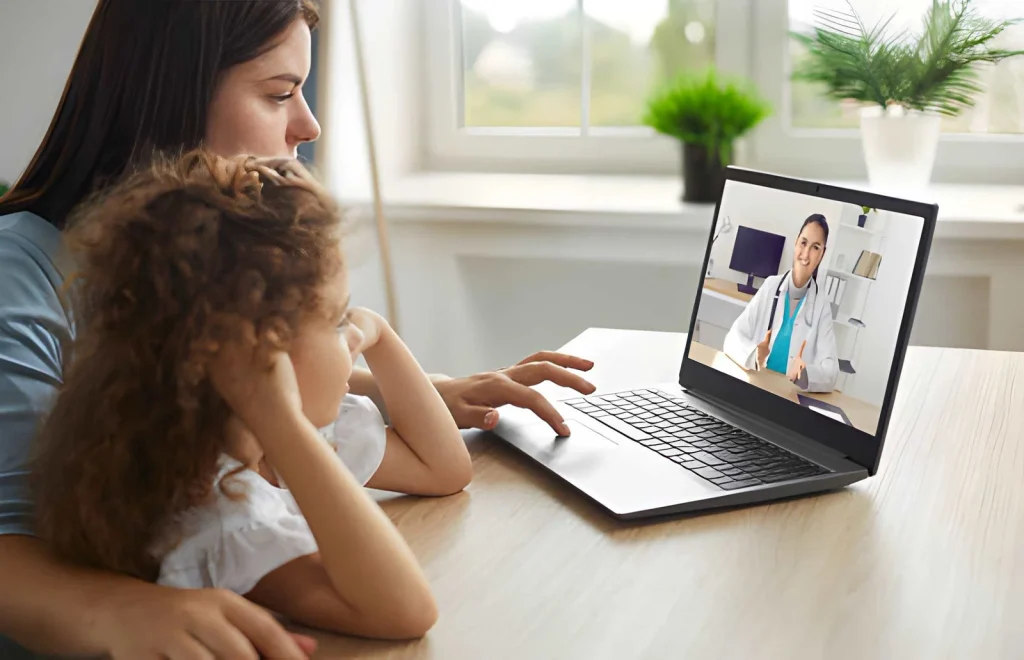
Telemedicine lets you see a doctor through a phone, tablet, or computer without leaving your home. A virtual visit uses secure video or audio technology to connect patients with licensed providers in real time. For many routine health concerns, telemedicine delivers the same quality of care as an office visit with shorter wait times and greater convenience. Patients in Cypress, Katy, Tomball, and the surrounding Northwest Houston area use telemedicine for everything from cold and flu evaluations to mental health check ins and chronic disease follow ups.
This guide answers the question of what is telemedicine, explains how a virtual visit works step by step, covers which conditions it treats best, and helps you decide if an online appointment is the right choice for your next health concern.
How Telemedicine Connects You With a Doctor Online?
Telemedicine uses encrypted video platforms that meet HIPAA standards to protect patient privacy during every appointment. The patient logs into a secure portal, enters a virtual waiting room, and joins a live session with a provider who can see, hear, and evaluate symptoms in real time. Most platforms allow screen sharing so the provider can walk patients through lab results, imaging reports, or care instructions during the visit.
The technology behind telemedicine has improved dramatically over the past several years. High definition video and reliable audio connections allow providers to observe skin conditions, review physical movements, and assess facial expressions with enough clarity to make informed clinical decisions. Many platforms also include a built in messaging feature that lets patients send photos of rashes, wounds, or swelling before the appointment so the provider arrives prepared.
Once you understand what is telemedicine and how the technology works, the actual appointment follows the same clinical process as an office visit. The provider reviews your medical history, asks about current symptoms, discusses possible causes, and recommends a treatment plan that may include prescriptions, lab orders, referrals, or follow up care.
7 Conditions a Telemedicine Visit Can Address
The following conditions are among the most common reasons patients choose a telemedicine appointment instead of an office visit for evaluation and treatment guidance.
1. Cold, Flu, and Upper Respiratory Symptoms
A sore throat, runny nose, cough, and mild fever are symptoms that a provider can evaluate effectively through a video visit. The provider asks targeted questions about symptom duration, severity, and exposure history to determine the most likely cause.
Most upper respiratory infections resolve with rest, fluids, and over the counter remedies, and a telemedicine visit confirms this without exposing other patients in a waiting room to the illness. Patients who need a prescription for cough suppressants or antibiotics can receive one electronically and pick it up at their local pharmacy the same day.
2. Allergies and Sinus Congestion
Seasonal allergies and sinus congestion cause sneezing, nasal pressure, postnasal drip, and itchy eyes that interfere with daily life. A telemedicine provider can review symptom patterns, identify likely triggers, and recommend the right combination of antihistamines, nasal sprays, or decongestants.
Patients who deal with recurring allergy symptoms benefit from a telemedicine follow up every season to adjust their treatment plan as conditions change. This approach saves time because allergy visits rarely require a physical exam beyond what the patient can describe and the provider can observe on video.
3. Skin Rashes and Minor Irritations
Many common skin concerns are highly visual, which makes them well suited for telemedicine evaluation. Patients can upload clear photos of the affected area before the appointment or show the rash directly on camera during the visit. A provider can assess redness, texture, spread patterns, and other visual markers to narrow down the cause and recommend a treatment.
Conditions like contact dermatitis, mild eczema, and fungal infections often respond to topical treatments that the provider prescribes during the same telemedicine visit.
4. Urinary Tract Infections
Urinary tract infections produce symptoms that patients can describe clearly during a video call, including burning during urination, frequent urges, and lower abdominal pressure. Providers use the symptom history and the patient’s risk profile to determine if treatment is appropriate. A prescription for antibiotics can go directly to the pharmacy after the telemedicine appointment, which means the patient starts treatment hours sooner than a traditional office visit would allow.
Patients managing recurring urinary tract infections as part of their women’s health care can schedule regular telemedicine check ins to stay ahead of the problem.
5. Anxiety and Depression Screenings
Mental health evaluations work especially well through telemedicine because the conversation is the primary diagnostic tool. A provider can conduct standardized screening questionnaires, discuss symptoms, and assess mood, sleep, appetite, and daily functioning through a secure video session. Patients who recognize the signs of depression in themselves or notice physical symptoms of anxiety can connect with a provider from the privacy and comfort of home.
This removes the barrier of traveling to an office during a time when motivation and energy are already low, which is one reason telemedicine has become a preferred option for initial mental health evaluations.
6. Medication Refills and Prescription Renewals
Patients who take ongoing medications for blood pressure, cholesterol, thyroid conditions, or mental health often need a brief provider check in before a refill. A telemedicine visit covers this efficiently because the provider reviews current symptoms, confirms the medication is working, checks for side effects, and renews the prescription without requiring the patient to take time off work or drive to the clinic.
Patients exploring natural ways to treat depression alongside medication can use these visits to discuss adjustments to their overall plan. A 10 to 15 minute telemedicine appointment replaces what would otherwise be a half day commitment once travel and waiting are factored in.
7. Chronic Disease Follow Up Appointments
Patients managing diabetes, hypertension, high cholesterol, or thyroid conditions need regular check ins to review lab results, adjust medications, and track progress. A telemedicine visit allows the provider to go over recent bloodwork, discuss dietary changes, and modify the treatment plan without an office visit.
Patients already enrolled in chronic disease management in Cypress programs find that telemedicine makes it easier to keep every appointment on schedule because it removes common obstacles like traffic, work conflicts, and childcare. Consistent follow up through telemedicine leads to better long term outcomes because patients are less likely to skip appointments when the visit takes 15 minutes from their living room.
Take The First Step
Expert aesthetic and medical care is just a click away. You deserve to look and feel your absolute best. We specialize in advanced treatments like Sculptra and Lipodissolve to help you achieve your desired results. Partner with our specialists to create a personalized care plan.
Telemedicine vs In Person Visits: When Each One Makes Sense?
Telemedicine works best for conditions where a conversation, visual observation, and symptom history give the provider enough information to guide care. Cold and flu symptoms, mental health evaluations, medication reviews, chronic disease check ins, and skin concerns all fall into this category. The convenience of a virtual appointment means patients are more likely to seek care early instead of waiting until a mild issue becomes something more serious.
In person visits remain necessary when the provider needs to perform a hands on physical exam, run diagnostic tests, or complete a procedure. Annual physicals, blood draws, vaccinations, imaging studies, and any condition that involves acute pain or visible swelling that requires direct palpation all call for an office appointment.
| Factor | Telemedicine Visit | In Person Visit |
|---|---|---|
| Best for | Symptom evaluation, medication reviews, mental health, follow ups | Physical exams, lab work, vaccinations, procedures |
| Average time | 15 to 20 minutes from home | 60 to 90 minutes including travel and waiting |
| Access | Available from any location with internet | Requires travel to the clinic during office hours |
Patients who now understand what is telemedicine often find that the smartest approach is a combination of both visit types. A telemedicine appointment handles quick evaluations and routine follow ups, while in person visits cover comprehensive exams and hands on care. .
Benefits of Telemedicine for Patients and Families
The most immediate benefit of telemedicine is the time it saves. A typical in person visit takes 60 to 90 minutes once you account for driving, parking, check in, waiting, and the appointment itself. A telemedicine visit covers the medical portion in 15 to 20 minutes with no travel and no waiting room. For working parents, caregivers, and patients with mobility challenges, this difference changes the calculus on seeking care for concerns they might otherwise postpone.
Telemedicine also reduces exposure to illness in shared waiting areas. Cold and flu season fills waiting rooms with sick patients, which creates a risk for everyone present. A virtual visit eliminates this contact entirely, which protects patients with weakened immune systems, young children, and older adults. Families with small children benefit the most because a telemedicine appointment for one child does not require the parent to bring all the children to the office.
At Prime Healthcare of Cypress, telemedicine appointments give patients across Cypress, Katy, Tomball, and the greater Northwest Houston area a direct connection to their care team without disrupting their day. Patients who also manage conditions like diabetes or high blood pressure can use their telemedicine visits to stay current on the best foods for diabetics and other lifestyle strategies that support their ongoing care plan.
Frequently Asked Questions
Take The First Step
Expert aesthetic and medical care is just a click away. You deserve to look and feel your absolute best. We specialize in advanced treatments like Sculptra and Lipodissolve to help you achieve your desired results. Partner with our specialists to create a personalized care plan.