Perimenopause Symptoms and Treatment Options: Complete Guide
Perimenopause symptoms and treatment options vary widely because this transitional phase affects every woman differently, lasting anywhere from 2 to 10 years before periods stop completely. The most common symptoms include irregular periods, hot flashes, night sweats, mood changes, sleep disruption, and vaginal dryness, all driven by fluctuating estrogen and progesterone levels. Perimenopause typically begins in the mid-40s, though some women notice changes as early as their late 30s. Symptoms range from mild inconvenience to significant disruption of daily life and relationships.
This guide covers what perimenopause actually involves, how to recognize it, and which treatments produce the best results.
What Happens to Your Body During Perimenopause?
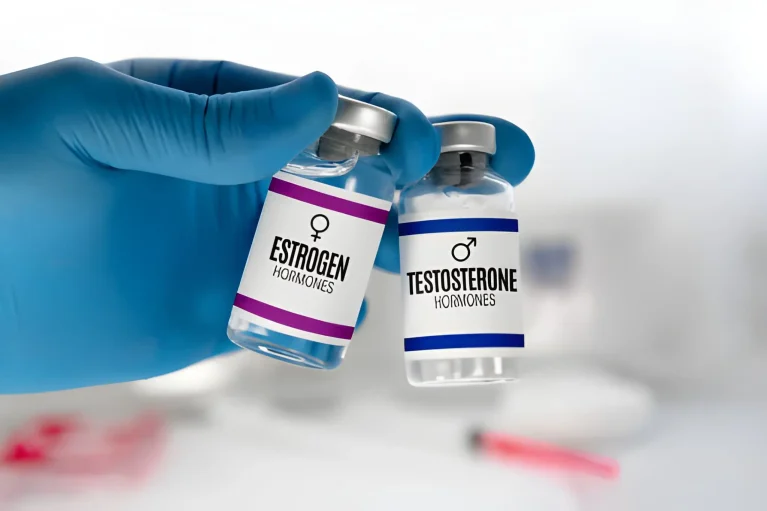
Perimenopause begins when the ovaries gradually reduce estrogen and progesterone production, creating hormonal fluctuations that affect virtually every system in the body. Unlike menopause, which is defined by 12 consecutive months without a period, perimenopause is the transitional phase leading up to that point where hormone levels rise and fall unpredictably rather than declining steadily.
Progesterone typically declines first, often beginning in the late 30s as ovulation becomes less consistent. Estrogen follows a more erratic pattern, sometimes surging above normal levels before eventually declining. This combination of low progesterone and fluctuating estrogen creates the symptom patterns most women associate with perimenopause, particularly sleep disruption, mood changes, and irregular bleeding.
The hormonal changes of perimenopause do not affect reproductive hormones alone. Thyroid function, cortisol regulation, insulin sensitivity, and cardiovascular health all shift during this transition. Understanding common signs of hormonal imbalance in women helps identify which symptoms reflect perimenopausal changes versus other hormonal conditions that require separate evaluation.

Most Common Perimenopause Symptoms
Perimenopausal symptoms develop gradually and vary significantly between women based on genetics, lifestyle, body composition, and overall health status.
1. Menstrual Cycle Changes
Irregular periods are usually the first noticeable sign of perimenopause. Cycles may become shorter, longer, heavier, lighter, or entirely unpredictable as ovulation becomes inconsistent. Some months may be skipped entirely while others bring unusually heavy bleeding.
Heavy perimenopausal bleeding results from cycles where estrogen builds the uterine lining without the counterbalancing effect of progesterone from ovulation. This creates thicker linings that shed more heavily than normal. Women who experience flooding, clot passage, or bleeding that requires changing protection every hour should seek medical evaluation rather than attributing the bleeding to normal perimenopausal changes.
2. Hot Flashes and Night Sweats
Hot flashes affect approximately 75% of perimenopausal women and represent the most recognized symptom of this transition. A hot flash involves a sudden sensation of intense heat spreading across the chest, neck, and face, often accompanied by flushing, sweating, and a rapid heartbeat. Individual episodes typically last 1 to 5 minutes but can occur multiple times daily.
Night sweats are essentially hot flashes that occur during sleep, disrupting sleep architecture and creating cumulative sleep deprivation over weeks and months. Women who wake repeatedly drenched in sweat despite normal room temperatures are experiencing night sweats driven by hypothalamic thermoregulation changes caused by estrogen fluctuation.
3. Mood Changes and Cognitive Symptoms
Mood instability during perimenopause results from estrogen’s direct influence on serotonin, dopamine, and GABA neurotransmitter systems. As estrogen fluctuates unpredictably, neurotransmitter levels shift accordingly, producing irritability, anxiety, low mood, and emotional reactivity that feels disproportionate to circumstances.
Many women describe perimenopausal mood changes as feeling unlike themselves, experiencing emotional responses they cannot control or explain. Brain fog, difficulty concentrating, and memory lapses are reported by a significant proportion of perimenopausal women. Word finding difficulties, forgetting familiar names, and reduced processing speed are common complaints that typically improve once hormonal levels stabilize in postmenopause.
4. Sleep Disruption
Sleep problems during perimenopause occur through multiple simultaneous mechanisms. Declining progesterone removes the hormone’s natural sedative effect on GABA receptors. Night sweats physically wake women repeatedly. Anxiety and mood changes make falling back asleep difficult after waking. The cumulative effect is significant sleep deprivation that worsens every other perimenopausal symptom.
Poor sleep increases cortisol production, which suppresses progesterone further, creating a cycle where sleep disruption worsens hormonal balance and hormonal imbalance worsens sleep. Women experiencing severe sleep disruption should address it as a primary medical concern rather than an expected inconvenience of this life stage.
5. Vaginal and Urinary Changes
Declining estrogen causes the vaginal tissue to thin, dry, and lose elasticity in a process called genitourinary syndrome of menopause. This produces vaginal dryness, discomfort during intercourse, increased susceptibility to vaginal infections, and urinary symptoms including urgency, frequency, and recurrent urinary tract infections.
Unlike hot flashes, which often improve as women move through menopause, vaginal and urinary changes typically worsen over time without treatment. These symptoms respond well to localized estrogen therapy even in women who cannot use systemic hormone treatment, making treatment access important.
Take The First Step
Expert aesthetic and medical care is just a click away. You deserve to look and feel your absolute best. We specialize in advanced treatments like Sculptra and Lipodissolve to help you achieve your desired results. Partner with our specialists to create a personalized care plan.
How Perimenopause Differs from Menopause?
Perimenopause is the transitional phase characterized by hormonal fluctuation and irregular periods that can last 2 to 10 years. Menopause is the specific point defined by 12 consecutive months without menstruation, marking the end of reproductive capacity. Postmenopause refers to all time following that 12-month mark. Our blog on Perimenopause vs menopause symptoms and differences covers this distinction in clinical detail, including how symptom patterns shift between the transitional and postmenopausal phases.
The hormonal picture differs significantly between stages. Perimenopausal estrogen fluctuates unpredictably, sometimes exceeding normal premenopausal levels before dropping. Postmenopausal estrogen stabilizes at a consistently low level. This difference explains why perimenopausal symptoms can feel more intense and unpredictable than postmenopausal symptoms, which tend to be more consistent.
Treatment Options for Perimenopause Symptoms
Effective treatment for perimenopause addresses both the hormonal changes driving symptoms and the specific symptoms that affect quality of life most significantly.
1. Hormone Therapy
Hormone therapy remains the most effective treatment for moderate to severe perimenopausal symptoms, particularly hot flashes, night sweats, mood changes, and vaginal dryness. Modern hormone therapy uses bioidentical or synthetic estrogen and progesterone in doses calibrated to the individual’s hormonal needs rather than standardized doses that may be higher than necessary.
Progesterone supplementation alone often provides significant relief for women in early perimenopause whose primary deficiency is progesterone rather than estrogen. The decision to use hormone therapy should be individualized based on symptom severity, personal health history, cardiovascular risk factors, and patient preference. Menopause treatment options covers the full spectrum of hormonal and non-hormonal treatments available for managing symptoms across the perimenopausal and postmenopausal continuum.
2. Lifestyle Modifications
Regular aerobic exercise reduces hot flash frequency and severity while improving mood, sleep quality, and metabolic health. Resistance training preserves muscle mass and bone density that decline with falling estrogen. Women who exercise consistently during perimenopause consistently report better symptom experiences than sedentary women with comparable hormonal changes.
Dietary changes that support hormonal balance include reducing refined sugar and processed foods, increasing phytoestrogen-containing foods like flaxseed and legumes, and maintaining adequate protein intake to preserve muscle mass. Alcohol significantly worsens hot flashes and sleep disruption during perimenopause, making reduction or elimination one of the highest-impact single changes.
3. Non-Hormonal Medical Treatments
Several prescription medications address specific perimenopausal symptoms for women who cannot or prefer not to use hormone therapy. Low-dose antidepressants including SSRIs and SNRIs reduce hot flash frequency and severity while addressing mood symptoms. Gabapentin reduces vasomotor symptoms and improves sleep. Fezolinetant, a recently approved non-hormonal medication, specifically targets the neurokinin pathway responsible for hot flashes.
Cognitive behavioral therapy adapted for perimenopausal symptoms produces measurable improvements in hot flash perception, sleep quality, and mood without medication. This approach changes how the brain processes and responds to vasomotor symptoms rather than reducing their frequency, making it a useful complement to other treatments.
Getting Perimenopause Care in Cypress
A complete evaluation should include hormonal testing covering estrogen, progesterone, FSH, LH, thyroid hormones, and testosterone alongside a review of symptoms, cycle patterns, and personal health history. FSH levels above 10 mIU/mL with irregular cycles suggest perimenopause, though hormone levels alone cannot confirm the diagnosis because they fluctuate significantly during this phase.
At Prime Healthcare of Cypress, women’s health care in Cypress includes comprehensive perimenopause evaluation and individualized treatment planning that addresses the full hormonal picture rather than isolated symptoms. The practice also offers telemedicine in Cypress for women who prefer remote consultations for initial evaluation, follow-up appointments, and treatment adjustments without requiring repeated office visits.
Ongoing monitoring matters as much as initial treatment because perimenopausal hormonal needs change continuously throughout the transition. A provider who adjusts treatment based on evolving symptoms and periodic lab work produces better long-term outcomes than one who prescribes a fixed protocol without reassessment.
Comparison Table: Perimenopause Treatment Options
This table compares the main treatment approaches for perimenopause symptoms to help women understand which options address their specific concerns.
| Treatment | Best For | Effectiveness | Considerations |
|---|---|---|---|
| Hormone Therapy | Hot flashes, mood, sleep, vaginal dryness | High | Requires medical evaluation |
| Progesterone Only | Early perimenopause, sleep, anxiety | Moderate to high | Good first option |
| SSRIs/SNRIs | Mood, hot flashes | Moderate | Non-hormonal option |
| Gabapentin | Hot flashes, sleep | Moderate | Requires prescription |
| Lifestyle Changes | All symptoms, mild to moderate | Moderate | No side effects |
| CBT | Hot flash perception, mood, sleep | Moderate | No medication needed |
| Localized Estrogen | Vaginal dryness, urinary symptoms | High | Safe for most women |
FAQs
Take The First Step
Expert aesthetic and medical care is just a click away. You deserve to look and feel your absolute best. We specialize in advanced treatments like Sculptra and Lipodissolve to help you achieve your desired results. Partner with our specialists to create a personalized care plan.