What Is Botox and How Does It Work for Wrinkles?
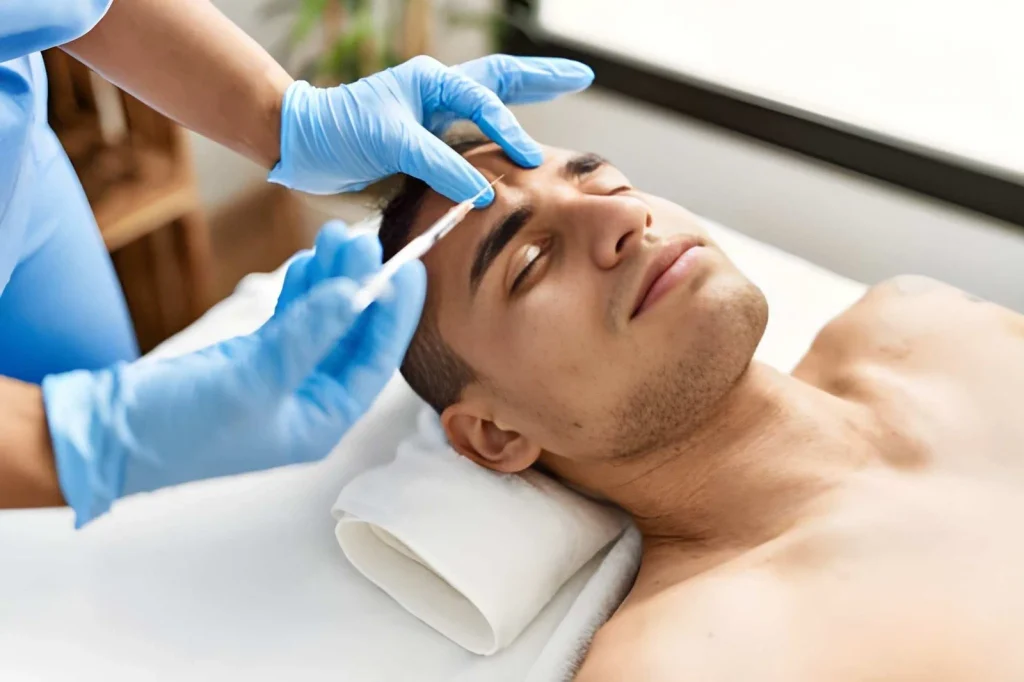
Botox is a purified neurotoxin derived from botulinum toxin type A that temporarily relaxes facial muscles to smooth wrinkles and prevent new lines from forming. The treatment works by blocking nerve signals to specific muscles, preventing them from contracting and creating the repetitive movements that cause expression lines. When injected into targeted areas like the forehead, around the eyes, or between the eyebrows, Botox stops muscle activity for 3 to 4 months, allowing overlying skin to smooth out naturally. The treatment addresses dynamic wrinkles caused by facial expressions but cannot fill static lines or restore lost volume.
What Botox Actually Is?
Botox is a prescription medication containing botulinum toxin type A, a purified protein produced by the bacterium Clostridium botulinum. The commercial product represents years of scientific refinement to create a safe, predictable treatment for both medical and cosmetic applications. Allergan developed the first FDA approved botulinum toxin for cosmetic use, establishing the safety and efficacy standards that define modern neurotoxin treatments.
The medication contains the active neurotoxin plus stabilizing ingredients like human albumin and sodium chloride. The final product contains no live bacteria and poses no risk of botulism when used properly. Each vial contains a precise amount of toxin measured in units, allowing for accurate dosing based on treatment goals and individual patient needs.
The purification process removes impurities and standardizes potency, ensuring consistent results across different treatment sessions. This standardization allows providers to predict outcomes and adjust dosing based on patient response patterns. Botox differs from other neurotoxin brands like Dysport and Xeomin in its protein structure and unit measurements, though all work through the same basic mechanism of muscle relaxation.
How Botox Blocks Muscle Movement?
Botox works by precisely interrupting nerve communication with facial muscles responsible for creating expression lines. The neurotoxin prevents the release of acetylcholine, a neurotransmitter that triggers muscle contractions. Without this chemical messenger, treated muscles cannot receive signals to contract, resulting in temporary paralysis that allows overlying skin to remain smooth.
The muscle relaxation timeline begins within 24 to 48 hours after injection as the neurotoxin binds to nerve terminals. Progressive weakening occurs over 3 to 7 days as more nerve endings become affected. Peak muscle relaxation develops at 10 to 14 days when maximum therapeutic effect is achieved.
The wrinkle smoothing process happens automatically as relaxed muscles stop creating the repetitive folding motions that etch lines into the skin. Existing expression lines gradually soften as the skin is no longer being creased by underlying muscle activity. This mechanism specifically targets dynamic wrinkles that appear during facial expressions, while static wrinkles require different treatments since they result from volume loss rather than muscle activity.
Take The First Step
Expert aesthetic and medical care is just a click away. You deserve to look and feel your absolute best. We specialize in advanced treatments like Sculptra and Lipodissolve to help you achieve your desired results. Partner with our specialists to create a personalized care plan.
Which Wrinkles Respond Best to Botox Treatment?
Botox excels at treating specific wrinkle types that result directly from repetitive muscle movements and facial expressions. Forehead lines respond excellently because they are caused entirely by the frontalis muscle lifting the eyebrows. When this muscle is relaxed, horizontal lines across the forehead disappear completely, preventing both existing lines from deepening and new lines from forming.
Crow’s feet around the outer corners of the eyes smooth out when the orbicularis oculi muscle stops contracting during smiling and squinting. These lines are among the most responsive to neurotoxin treatment because they result purely from muscle activity rather than skin damage. Frown lines between the eyebrows, also called “11s,” disappear when the corrugator and procerus muscles remain relaxed, eliminating the vertical creases that often make people appear angry or tired.
Botox cannot treat static wrinkles that remain visible when muscles are relaxed, volume loss that creates hollowing or sagging, or sun damage that requires skin resurfacing. These concerns need different approaches like dermal fillers in Cypress or laser treatments. Understanding this distinction helps patients choose the right treatment for their specific aging concerns.
What to Expect During Botox Treatment?
The Botox treatment process is quick and straightforward when performed by qualified medical professionals. Consultation and assessment begin with facial analysis to determine which muscles contribute to unwanted lines and how much relaxation is needed to achieve desired results. The provider maps injection points and discusses realistic expectations for improvement based on individual facial anatomy.
Preparation steps include removing makeup, taking pre-treatment photos, and applying topical numbing cream if needed. Most patients tolerate the injections well without numbing, but sensitive individuals may benefit from topical anesthetics. The injection technique involves using ultra-fine needles to deliver precise amounts of Botox to specific muscle groups, with each injection taking only seconds.
Most treatment sessions are completed within 10 to 15 minutes depending on the number of areas treated. Immediate post-treatment care requires following specific aftercare instructions to prevent product migration. Patients should remain upright for 4 hours, avoid vigorous exercise for 24 hours, and resist touching or massaging treated areas to ensure optimal results.
Timeline for Seeing Botox Results
Botox results develop gradually over several days rather than appearing immediately after injection. Initial effects become noticeable around day 2 to 3 as treated muscles begin weakening. Some patients notice subtle changes in their ability to make certain expressions before visible wrinkle improvement appears.
Progressive improvement continues over the first week as more nerve terminals become affected by the neurotoxin. Wrinkle reduction becomes increasingly apparent as muscle relaxation deepens and skin smoothing progresses. Peak results appear at 10 to 14 days when maximum muscle relaxation is achieved, representing the optimal outcome of treatment.
Understanding how long does Botox last helps patients plan maintenance treatments appropriately. Duration factors affect longevity, including individual metabolism, muscle strength, and the amount of product used. Most patients require retreatment every 3 to 4 months to maintain optimal wrinkle reduction, though regular treatment schedules may help extend results over time.
Botox Safety and Common Side Effects
Botox has an established safety record when administered by qualified medical professionals using proper techniques and FDA approved products. Common side effects include temporary bruising at injection sites, mild headaches, and slight swelling that resolves within a few days. These reactions are generally mild and self-limiting, requiring no specific treatment beyond comfort measures.
Injection site reactions appear as small red marks, minor swelling, or temporary bumps where the needle entered the skin. These effects typically resolve within hours and can be minimized with proper injection technique and post-treatment care. Muscle-related effects include the intended relaxation of treated muscles, which may feel unusual for first-time patients.
Serious complications are extremely uncommon but can include eyelid drooping, facial asymmetry, or allergic reactions. Understanding the complete profile of side effects of Botox helps patients recognize when to seek medical attention versus normal healing responses. Risk minimization involves choosing qualified providers, following pre and post-treatment instructions, and reporting any concerning symptoms promptly.
How Botox Compares to Other Anti-Aging Options?
Botox addresses different aspects of facial aging compared to other popular aesthetic treatments. The comparison between Botox vs dermal fillers represents the most common decision patients face, as these treatments target different causes of aging appearance. Botox prevents wrinkles through muscle relaxation while fillers restore volume and smooth static lines through physical filling.
Muscle relaxation targets expression lines that result from repetitive facial movements, while volume restoration addresses hollowing and sagging that occurs as facial fat pads shrink with age. Treatment duration differences show Botox lasting 3 to 4 months versus fillers that can last 6 months to 2 years depending on the product and placement.
Many patients benefit from combining both approaches, as addressing both muscle activity and volume loss creates more comprehensive facial rejuvenation than targeting individual concerns separately. Cost considerations vary between immediate expense and long-term investment, with Botox requiring lower per-treatment costs but more frequent appointments compared to fillers.
Finding Quality Botox Providers in Cypress
Provider selection significantly impacts both safety and treatment outcomes for patients seeking neurotoxin treatments. Qualified providers should include board certified dermatologists, plastic surgeons, or experienced medical injectors working under physician supervision. These professionals have the anatomical knowledge and emergency training needed to handle both routine treatments and potential complications.
Facility standards matter for safety, including proper product storage, sterile injection techniques, and emergency protocols. Legitimate medical facilities maintain FDA approved products and follow strict safety guidelines that protect patient health. At Prime Healthcare of Cypress, Botox treatments in Cypress are performed by medical professionals who prioritize both safety and natural-looking results using only FDA approved neurotoxins.
Red flags to avoid include non-medical providers offering Botox, unusually low prices that suggest diluted products, and facilities that cannot provide clear information about their credentials and safety procedures. Questions to ask during consultation include the provider’s training and experience, what products they use, their complication rates, and how they handle adverse reactions. Qualified injectors welcome these questions and provide detailed answers that demonstrate their competence.
Ideal Candidates for Botox Treatment
Good Botox candidates have specific characteristics that predict successful results and minimal complications. Age considerations typically favor patients between 25 and 65 who have dynamic wrinkles but maintain good skin elasticity. Younger patients often use Botox preventively to stop wrinkles from forming, while older patients may need combination treatments to address both muscle activity and volume loss.
Wrinkle assessment determines candidacy based on whether lines result from muscle movement or other factors. Patients whose wrinkles disappear when they manually relax their facial muscles are excellent Botox candidates. Health requirements include good overall health, realistic expectations, and no contraindications like pregnancy, breastfeeding, or certain neurological conditions.
Lifestyle factors influence candidacy, including the ability to follow post-treatment instructions and maintain regular appointment schedules for optimal results. Expectation alignment ensures that desired outcomes match what Botox can realistically achieve. Patients seeking subtle, natural-looking improvement typically achieve better satisfaction than those expecting dramatic transformation.
Long-Term Benefits of Regular Botox Use
Regular Botox treatments can provide cumulative benefits beyond immediate wrinkle reduction. Preventive effects occur when consistent treatments prevent deep wrinkles from forming by stopping the repetitive muscle movements that create permanent creases. Patients who begin Botox in their 20s or 30s often maintain smoother skin longer than those who wait until lines are well-established.
Muscle conditioning happens over time as treated muscles adapt to periods of reduced activity. Some patients find they need less frequent treatments or lower doses as muscles become accustomed to relaxation. Skin quality improvement results from removing the constant stress of muscle contractions, allowing skin to recover from repetitive folding.
Treatment evolution allows for adjusting approach as facial aging progresses. Patients may start with conservative Botox treatments and add other modalities like fillers or skincare as their needs change over time. Maintenance planning involves developing realistic schedules and budgets for ongoing treatments that maintain desired improvement while fitting lifestyle and financial considerations.
FAQs
Take The First Step
Expert aesthetic and medical care is just a click away. You deserve to look and feel your absolute best. We specialize in advanced treatments like Sculptra and Lipodissolve to help you achieve your desired results. Partner with our specialists to create a personalized care plan.